Category: Ministry (Page 27 of 35)

Every Meeting a Privilege

Every Meeting, Every Meeting, Every Meeting…I have the opportunity here to talk to lots of people. Lots of people. Every day. Every week. People in my study. People in the hallways between Bible class and worship. People on the phone. People in the parking lot. Every day.

Some people come by to encourage me. Some are here to complain. Some are cheerful. Some are grumpy. Some come to confess. To question. To praise. To get advice. To give advice. Some people are hurt. Some just come by to hang out.

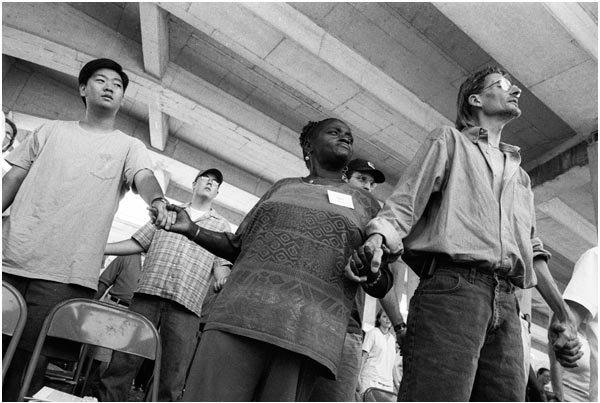
What I must remember is that every single person I run in to — without exception — is a person created by our God, made in the image of our God, for our God’s purposes. They are all, each one of them, a child of our Father. And I must approach every single interaction with these people with that specific mindset.

Eugene Peterson, in his outstanding book Working the Angles, says we have to view every one of these meetings — planned or chance, positive or negative — as a great privilege.

“This face before me, its loveliness scored with stress, is in the image of God. This fidgety and slouching body that I am looking at is a temple of the Holy Ghost. This awkward, slightly asymmetrical assemblage of legs and arms, ears and mouth, is part of the body of Christ. Am I ready to be amazed at what God hath wrought, or am I industriously absorbed in pigeon-holing my observations?

The significance of what I see before me is not what I see before me but what Christ has said and done. Far more relevant than what I feel or think, or what this person feels or thinks, is what Christ has said and done. This is a person for whom Christ died, a person he loves: an awesome fact! Am I prepared to admire? Am I prepared to respect? Am I prepared to be in reverence?

Every meeting with another person is a privilege. In pastoral conversation I have chances that many never get as easily or as frequently — chances to spy out suppressed glory, ignored blessing, forgotten grace. I had better not miss them.”

Peace,

Allan

Just Listen

Just ListenAfter seven days of mourning, things aren’t getting any better for Job. And so he lauches into another round of lamentations. Job 3 is some kind of tirade. It’s a doozie. Rated R for strong language and disturbing imagery. Job curses his own existence. He says in a dozen different ways, “I wish I were dead.” He doesn’t understand what God is doing. So he asks “Why?” Over and over again, “Why, God, why?”

“I want to die.”

And then one of Job’s friends, Eliphaz, decides somebody needs to say something. He tells Job in Job 4:1, “Let me say a word here. I can’t help it. I can’t keep from speaking.”

And Eliphaz spends two whole chapters trying to explain to Job what’s happening to him and why. “Job,” he says, “This is God’s will.” And he tries to spin everything theologically. He tries to make sense of it. He even accuses Job at one point: “Maybe you need to look at your own life. Maybe you’re doing something, or not doing something, that’s causing these bad things to happen. ” He gives Job advice about his prayers. Eliphaz says, “If I were you, Job, I’d think about praying more like this.”

All three of Job’s good friends start weighing in on the situation, speaking from the outside, giving advice, preaching to Job.

And this is exactly the opposite of what Job needed from his friends during his hour of great sorrow.

Hey, we’ve all had the experience of fumbling for the right words in the presence of tremendous suffering. We’ve all visited a family at a funeral home and been embarrassed because we didn’t say anything. Or we’ve felt awful because what we did say was so woefully inadequate. We take food to the home of a grieving husband or mother and we have no confidence in the things we say. We’ll see a griever at church for the first time and actually avoid speaking to him because we don’t know what to say.

Please understand this: You don’t have to say anything!

You don’t need to say a word. Just be there. Just be present. Just listen. Just sit in silence with the mourner and listen.

I know we feel like we have to say something because silence is so awkward for us. We’re uncomfortable with silence. And if we’re not saying something, we feel like we’re not doing anything. It’s like we’re not helping.

The very best thing you can do is just listen.

If the sufferer needs to cry, cry with him. If the mourner needs to complain about a family member or another specific part of his great trial, put your arm around him and nod. If the griever needs to curse his situation or shake his fist at God, sit right there beside him and let him.

Just listen.

The presence of God is experienced by his people through his people. The Church of God is a powerful tool by which our Father is present in this world and among his children. Our God invites us to speak and he promises us that he will be near. He will listen to us and he will comfort us in our lament. He will hear our cry. And he will console us and reassure us in our troubles.

And we can better be that loving and faithful witness and presence to others if we’ll just be there. And listen.

Peace,

Allan

If We Endure…

“If we died with him,
we will also live with him;
If we endure,
we will also reign with him;
If we disown him,
he will also disown us;
If we are faithless,
he will remain faithful,
for he cannot disown himself.” ~2 Timothy 11-13

Not Far From The Kingdom Of God

You Are Not Far From The Kingdom Of God

Mark 12 – Jesus is debating with the chief priests, the teachers of the Law, and the elders. They’re walking through the temple courts. I imagine they’re somewhere on the South side of the temple, probably on the huge steps that led up to the Huldah gates and the temple’s main entrance. If not, they were probably somewhere in the maze of courtyards below, the busiest and most crowded area of the temple grounds. They’re going back and forth on all kinds of things: Jesus’ authority, the rejection of the Messiah, politics and taxes, marriage and the resurrection.

Then one of the teachers engages our Savior in a topic that really matters. This question counts. “Of all the commandments, which is the most important?”

Jesus answers with what he always said perfectly summed up every word of the Law and the Prophets: Love God and love neighbor. “There is no commandment greater than these.”

The teacher of the Law agrees. In a humorous way, only because we know Jesus’ true identity as the holy Son of God, he actually commends Jesus for his wise and true answer. “Well said, teacher. You are right.” (Duh! Jesus was there when the commands were given!) But he takes it a step farther. In fact, this teacher of the Law, a comrade of those who were questioning Jesus and attempting to trick him and trap him and get him out of the picture, takes it one huge, giant, leap forward. He makes the bold claim, to Jesus and in front of all his cohorts, that loving God and loving neighbor is “more important than all burnt offerings and sacrifices.”

I imagine this teacher actually pointing to and gesturing toward the people and the animals and the altars, the priests and the books and the chants, that surrounded them in this scene. Loving God and loving neighbor trumps all of this, he says to Jesus. Loving God and loving neighbor means more, it is more, than anything that happens in here!

And our Lord — does he smile? Does he wink? Does his face break out in a massive ear-to-ear grin? — looks this teacher right in the eye and says, “You are not far from the Kingdom of God.”

I often wonder what Jesus was thinking at this point. “This man gets it! Here’s a guy who really understands! He’s in the middle of all the trappings of the religious establishment, he’s being blocked and detoured and slowed down and held back by all the rules and regulations and rituals and ceremonies, but he understands it’s not about any of these things! He gets it!”

“You are not far from the Kingdom of God.”

When people asked Jesus about the Kingdom of God, not once did he ever say, “It’s that group over there that meets on Sundays for worship and Bible class.” When Jesus explained the Kingdom of God, he never once said, “It’s identified by those who take communion once a week on the Lord’s Day and sing acappella.” Jesus never told a story about the Kingdom of God and interpreted it by claiming, “You’ll know the Kingdom when you see two songs and a prayer and announcements either at the beginning or the end. Or sometimes both.”

No.

Jesus always says the Kingdom is about hurting people being comforted. It’s distressed people being encouraged. It’s cold people being warmed. It’s the outcasts being brought in and made a part of the family. It’s God using his people to help other people.

The true marks of the Kingdom have very little, if anything, to do with what happens inside your church building between announcements and prayers. Instead, the Kingdom of God is grounded firmly in the weightier matters of justice and mercy and love and faithfulness. The requirements of living in the Kingdom are not keeping the rules as much as they are about acting justly, loving mercy, and walking humbly before God.

Maintaining our institutional status quo is not necessarily the same as being faithful to Jesus and his mission. Being a member in good standing or a middle-of-the-road church is not necessarily the same as living under the reign of God.

Our King came into this world to sacrifice and to serve and to save. And that is the business of his subjects, too. When we get it through our heads that this calling trumps every other calling we think we might have as children of God and followers of the Son, then we are not far from the Kingdom of God.

~~~~~~~~~~~~~~~~~~~~~~~~~~~~~~~~~~~~~~~~~~~~~~~~~~~~~~~~~~~~~~~~~~~~~~~~~~~~~~~~~~~

Carley’s 10! 

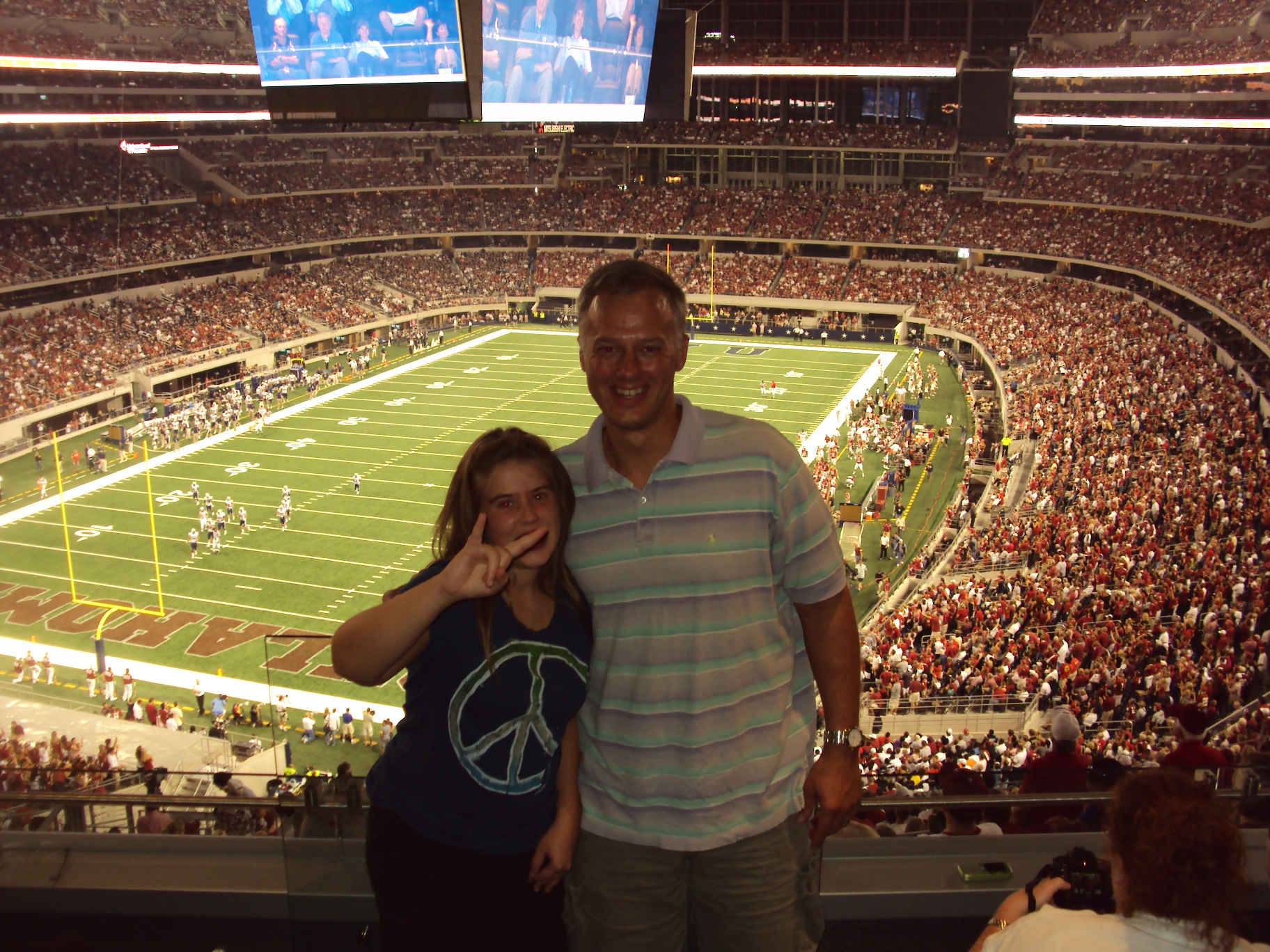
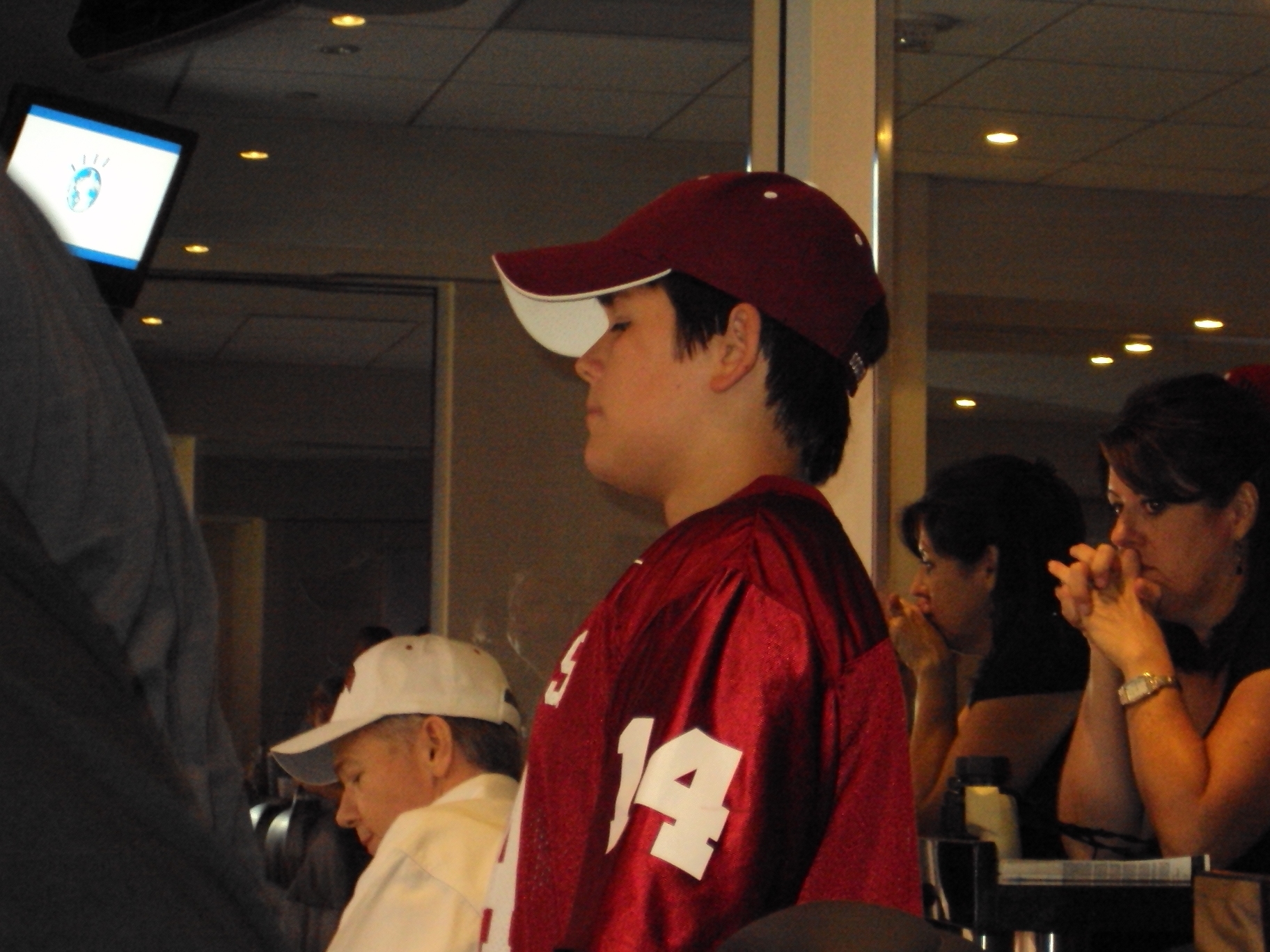
Carley’s ten. Or at least she will be Thursday. We had her party at the house Saturday. A whole bunch of silly 4th grade girls. Kate won the limbo contest. Elizabeth took the hula hoop prize (although Carrie-Anne beat her later in a head-to-head). And then Whitney and I beat it for the new Cowboys Stadium in Arlington and the OU-BYU football game.

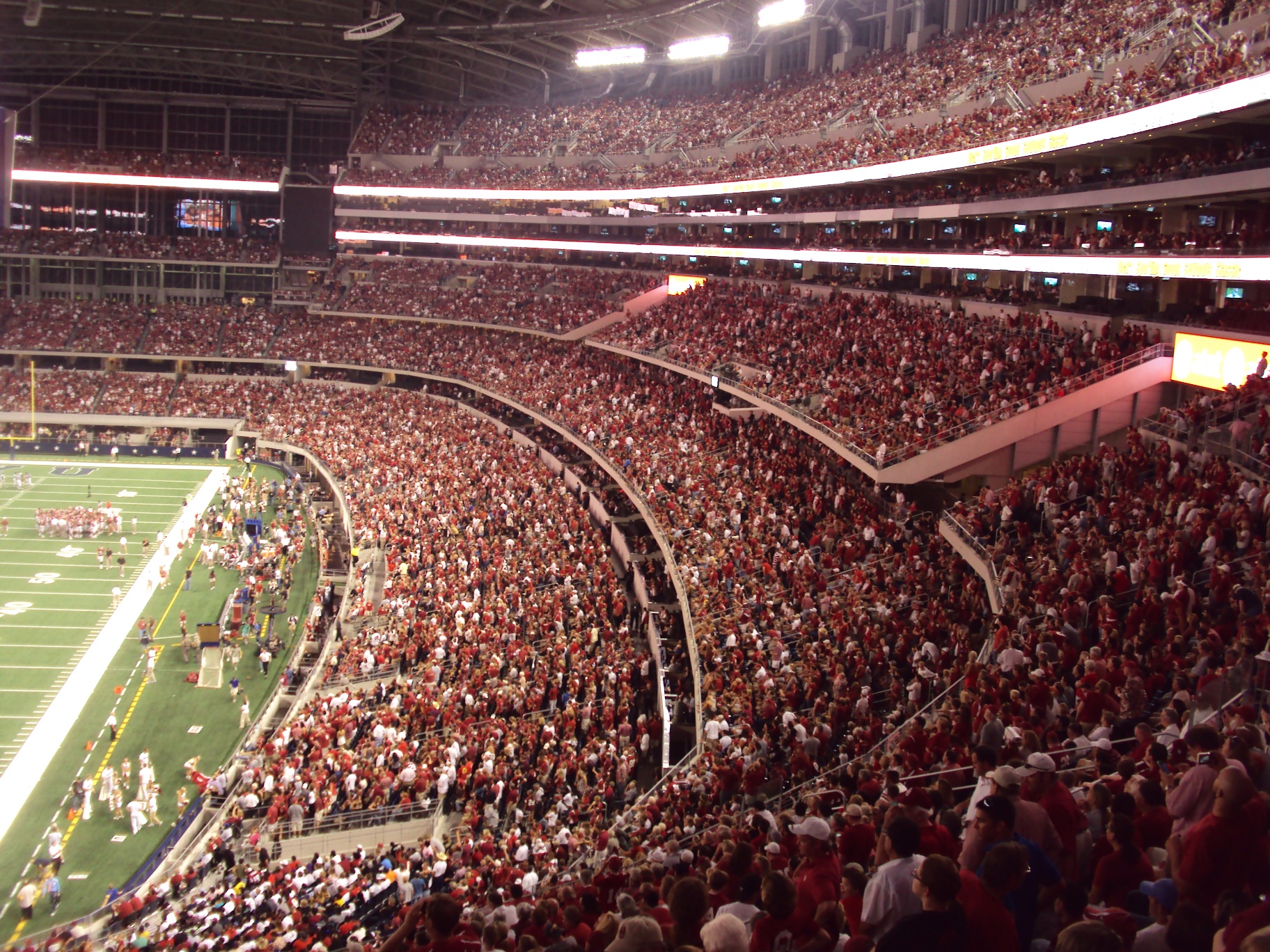
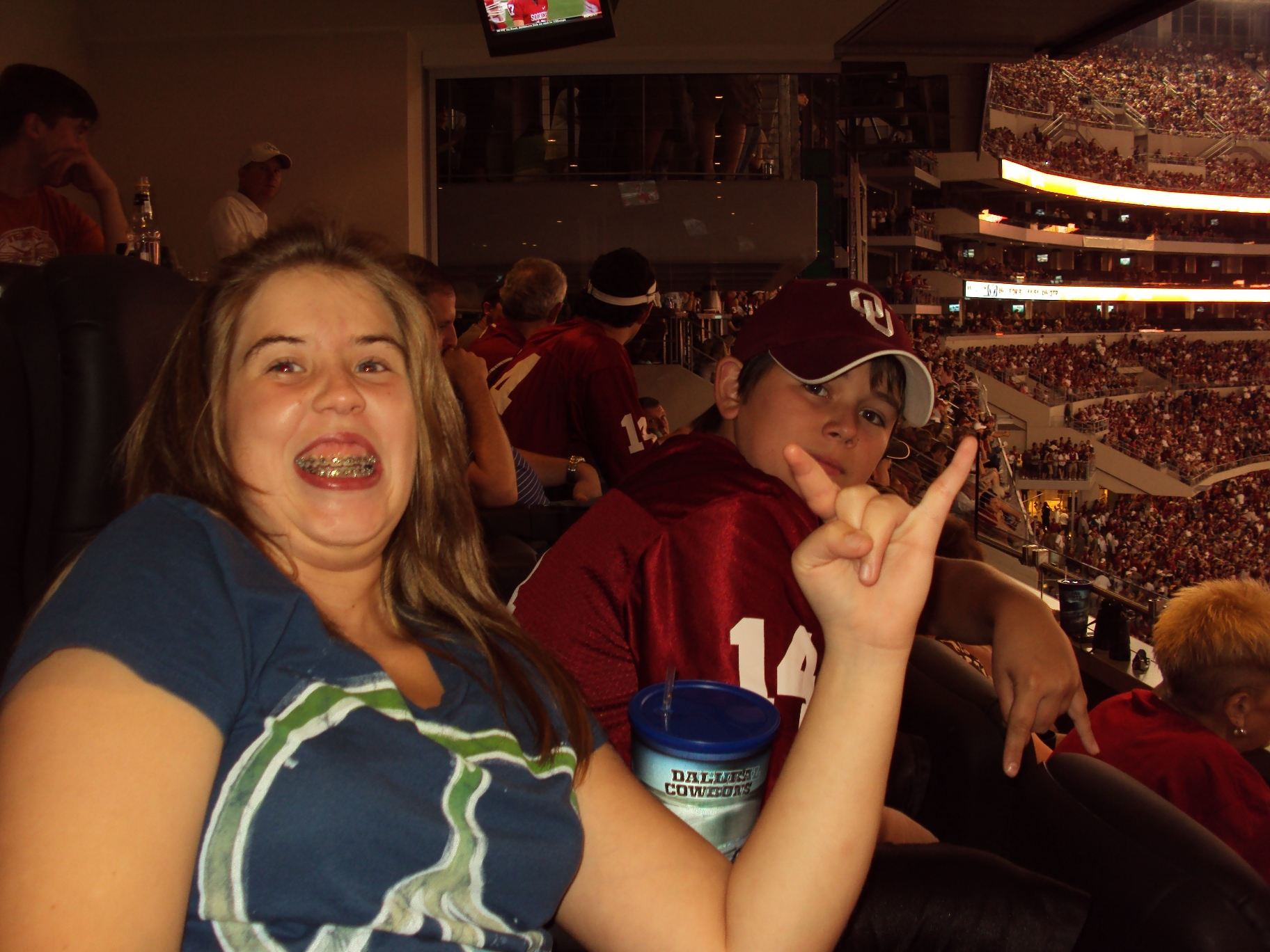
At BYU-OUOur great friend Glenn Branscum set up a bunch of guys from Legacy with seats in his suite for the game. And when I say seats in his suite, I mean huge, fat, oversized, reclining leather seats with armrests and cupholders. Most every one in the room was a big Sooners fan. That’s why they were invited. Of course, most every one of the 80,000 in the stadium were Sooners fans. And everything Norman Southwas great.

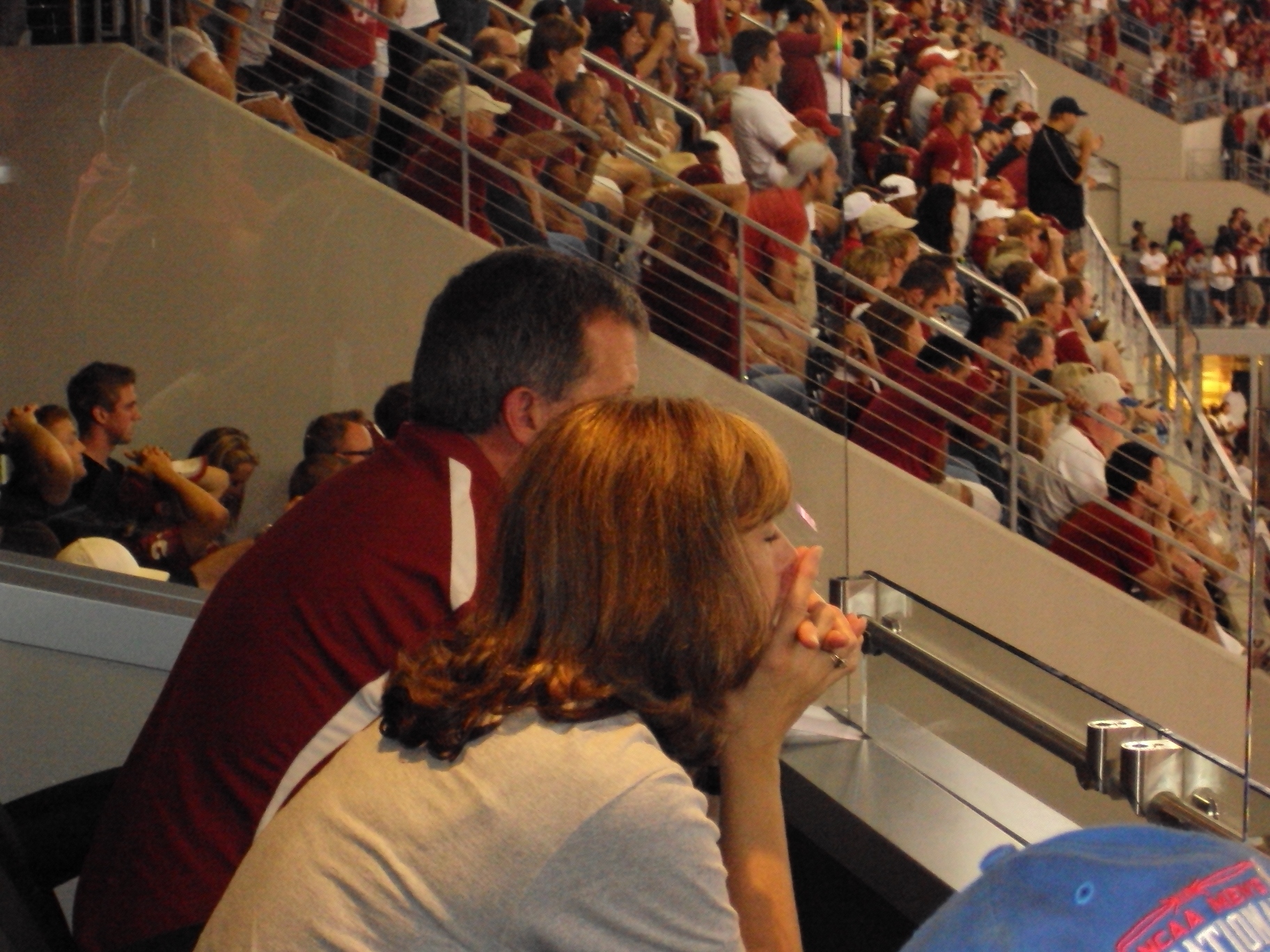
Until about halfway through the second quarter when it became obvious that OU has some serious offensive line problems and some major gaps in the secondary. It got really quiet in there when Sooners quarterback Sam Bradford went down with his injury near the end of the first half. Whitney was excited (“Darling, you can’t cheer an injury. He’s a real person” “But, dad, this is good for BYU!”), but most of the rest of our crew spent the last two hours of the evening in a dark, dark, depression. Brandon didn’t say anything or look at anybody. Paul chewed off all his fingernails and then started working on the coasters. Dillon was in a catatonic trance. Ken and Ada prayed the whole second half (I’m sorry, God is NOT an OU fan). And I spent those last two quarters trying to keep Whitney from rubbing it in.

Words can’t describe this stadium. I have a lot to say about it. Maybe nothing you haven’t already read somewhere else. But I’ll save it for later. My sincere thanks to Glenn and Karen and the Branscum family for setting us up with a fantastic evening together. Thank you, thank you, thank you!

~~~~~~~~~~~~~~~~~~~~~~~~~~~~~~~~~~~~~~~~~~~~~~~~~~~~~~~~~~~~~~~~~~~~~~~~~~~~~~~~~~

Jimmy Shay MitchellAlways a blessing to see great friend Jimmy Mitchell. He and his youth group and sponsors from the Northside Church in Benton, Arkansas worshiped with us at Legacy yesterday after a weekend at Six Flags. “Hi” to Elizabeth and Jenniva. We wish we could have seen y’all, too.  And update your blog, Jimmy!

~~~~~~~~~~~~~~~~~~~~~~~~~~~~~~~~~~~~~~~~~~~~~~~~~~~~~~~~~~~~~~~~~~~~~~~~~~~~~~~~~~~
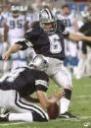
Tim SederJust six more days until the Cowboys kick off their season against the Tampa Bay Buccaneers. And the second-best player in Cowboys history to ever wear #6 is Tim Seder. He was a kicker from Ashland who played two seasons in Dallas (2000-2001). He converted 72% of his field goals (36/50) during his tenure here and never missed a PAT (39/39). The interesting thing about Seder, though, is that he scored rushing touchdowns on fake field goals twice, once in each of his two years. I don’t have time to look them up. Who cares?

Yesterday’s #7 is quarterback Chad Hutchinson. Sorry, I just can’t go with Randall Cunningham, just like I couldn’t give Red Ribbon Review #7the nod to Harold Carmichael a couple of weeks ago. Hutchinson entered the picture during Jerry Wayne’s brief period of fascination with baseball-playing quarterbacks. He preceded Michigan’s Drew Henson in Dallas by a season.
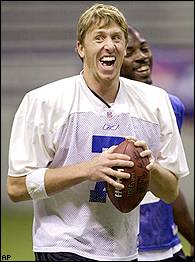
Hutchinson had played the 2001 season as a reliever for the St. Louis Cardinals where he appeared in three games, allowing 16 baserunners on nine hits and six walks and a hit batter in a total of four innings of work. He gave up eleven earned runs and completed his MLB career with a 24.75 ERA.
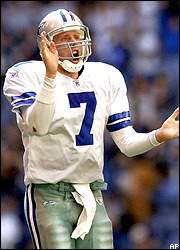
Chad HutchinsonAnd he didn’t fare much better with the Cowboys. Following a four-interception performance in a loss to Arizona, Jerry pulled Quincy Carter and handed his team to Hutchinson, promising that this pitcher from Stanford was the future. However, his first ever start, at Texas Stadium against the Seahawks on October 27, was overshadowed by Emmitt Smith’s historic breaking of Walter Payton’s all-time rushing mark. The Cowboys, as you recall, lost that day. And Hutchinson went 2-7 in his nine starts that year, completing 51% of his passes for seven TDs and eight interceptions. The second-best #7 in Cowboys history is just another mediocre quarterback in a revolving door of them since Troy Aikman stepped down nine long years ago.

Peace,

Allan

Not Far From The Kingdom Of God

You Are Not Far From The Kingdom Of God

Mark 12 – Jesus is debating with the chief priests, the teachers of the Law, and the elders. They’re walking through the temple courts. I imagine they’re somewhere on the South side of the temple, probably on the huge steps that led up to the Huldah gates and the temple’s main entrance. If not, they were probably somewhere in the maze of courtyards below, the busiest and most crowded area of the temple grounds. They’re going back and forth on all kinds of things: Jesus’ authority, the rejection of the Messiah, politics and taxes, marriage and the resurrection.

Then one of the teachers engages our Savior in a topic that really matters. This question counts. “Of all the commandments, which is the most important?”

Jesus answers with what he always said perfectly summed up every word of the Law and the Prophets: Love God and love neighbor. “There is no commandment greater than these.”

The teacher of the Law agrees. In a humorous way, only because we know Jesus’ true identity as the holy Son of God, he actually commends Jesus for his wise and true answer. “Well said, teacher. You are right.” (Duh! Jesus was there when the commands were given!) But he takes it a step farther. In fact, this teacher of the Law, a comrade of those who were questioning Jesus and attempting to trick him and trap him and get him out of the picture, takes it one huge, giant, leap forward. He makes the bold claim, to Jesus and in front of all his cohorts, that loving God and loving neighbor is “more important than all burnt offerings and sacrifices.”

I imagine this teacher actually pointing to and gesturing toward the people and the animals and the altars, the priests and the books and the chants, that surrounded them in this scene. Loving God and loving neighbor trumps all of this, he says to Jesus. Loving God and loving neighbor means more, it is more, than anything that happens in here!

And our Lord — does he smile? Does he wink? Does his face break out in a massive ear-to-ear grin? — looks this teacher right in the eye and says, “You are not far from the Kingdom of God.”

I often wonder what Jesus was thinking at this point. “This man gets it! Here’s a guy who really understands! He’s in the middle of all the trappings of the religious establishment, he’s being blocked and detoured and slowed down and held back by all the rules and regulations and rituals and ceremonies, but he understands it’s not about any of these things! He gets it!”

“You are not far from the Kingdom of God.”

When people asked Jesus about the Kingdom of God, not once did he ever say, “It’s that group over there that meets on Sundays for worship and Bible class.” When Jesus explained the Kingdom of God, he never once said, “It’s identified by those who take communion once a week on the Lord’s Day and sing acappella.” Jesus never told a story about the Kingdom of God and interpreted it by claiming, “You’ll know the Kingdom when you see two songs and a prayer and announcements either at the beginning or the end. Or sometimes both.”

No.

Jesus always says the Kingdom is about hurting people being comforted. It’s distressed people being encouraged. It’s cold people being warmed. It’s the outcasts being brought in and made a part of the family. It’s God using his people to help other people.

The true marks of the Kingdom have very little, if anything, to do with what happens inside your church building between announcements and prayers. Instead, the Kingdom of God is grounded firmly in the weightier matters of justice and mercy and love and faithfulness. The requirements of living in the Kingdom are not keeping the rules as much as they are about acting justly, loving mercy, and walking humbly before God.

Maintaining our institutional status quo is not necessarily the same as being faithful to Jesus and his mission. Being a member in good standing or a middle-of-the-road church is not necessarily the same as living under the reign of God.

Our King came into this world to sacrifice and to serve and to save. And that is the business of his subjects, too. When we get it through our heads that this calling trumps every other calling we think we might have as children of God and followers of the Son, then we are not far from the Kingdom of God.

~~~~~~~~~~~~~~~~~~~~~~~~~~~~~~~~~~~~~~~~~~~~~~~~~~~~~~~~~~~~~~~~~~~~~~~~~~~~~~~~~~~

Carley’s 10! 

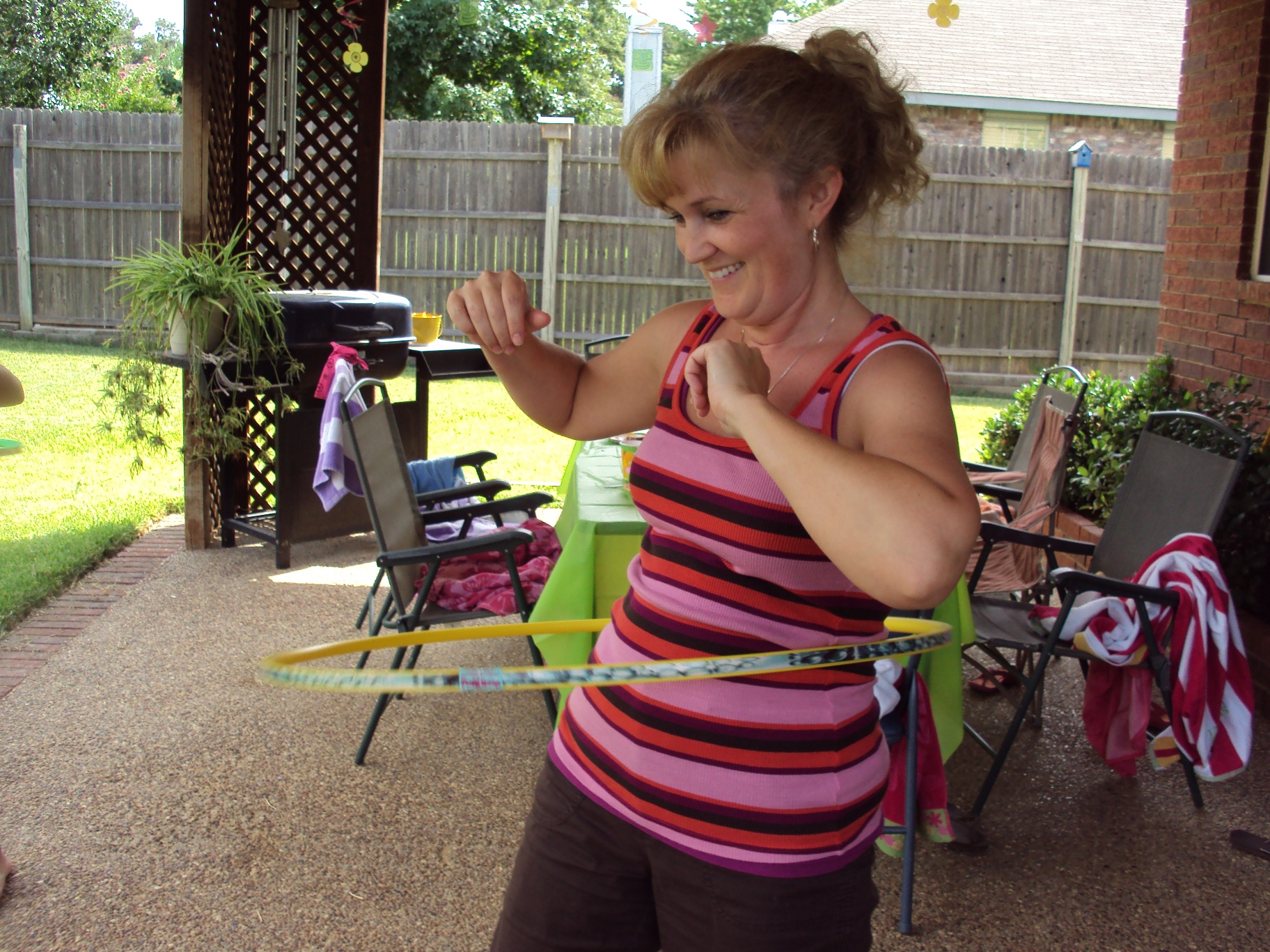
Carley’s ten. Or at least she will be Thursday. We had her party at the house Saturday. A whole bunch of silly 4th grade girls. Kate won the limbo contest. Elizabeth took the hula hoop prize (although Carrie-Anne beat her later in a head-to-head). And then Whitney and I beat it for the new Cowboys Stadium in Arlington and the OU-BYU football game.

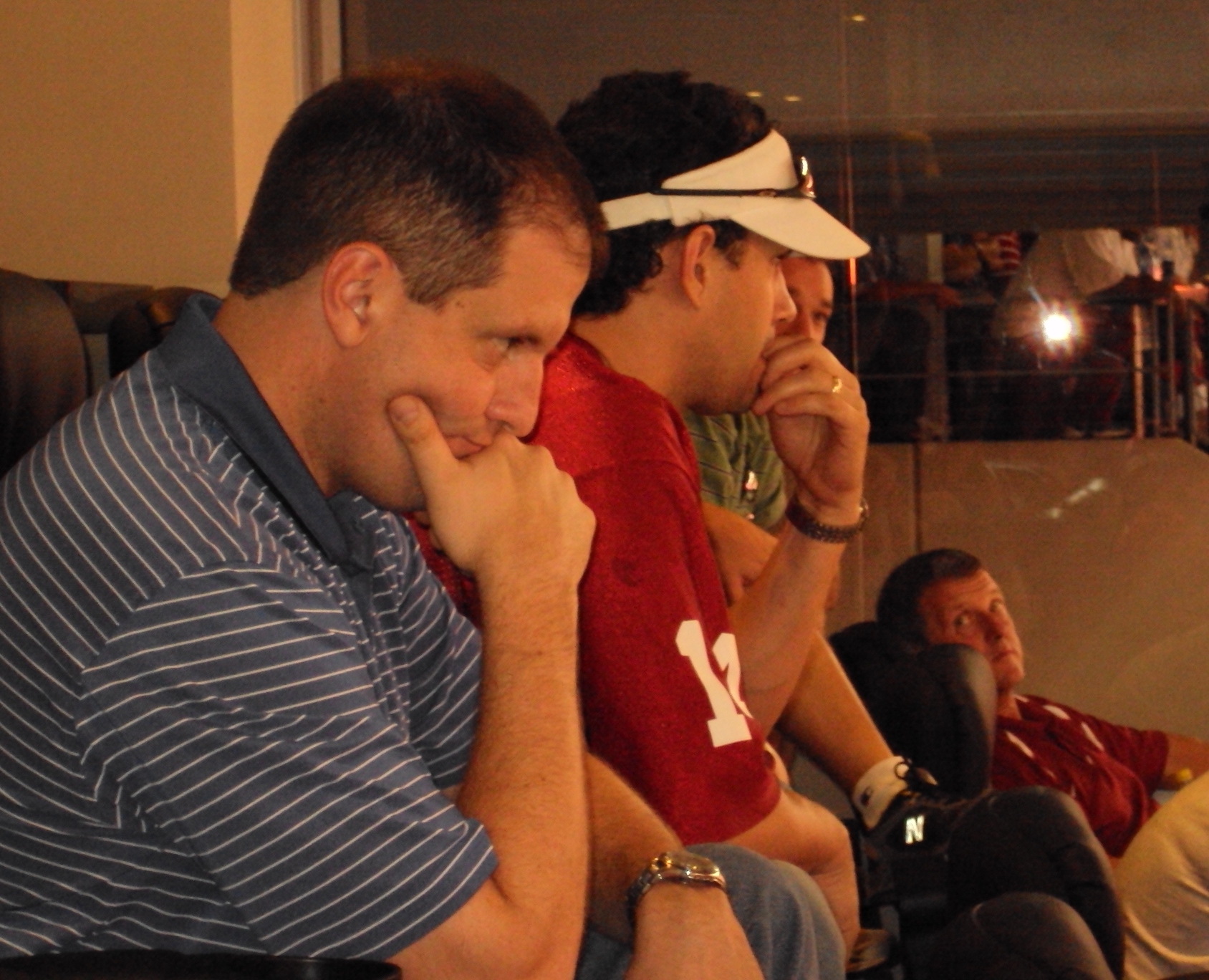
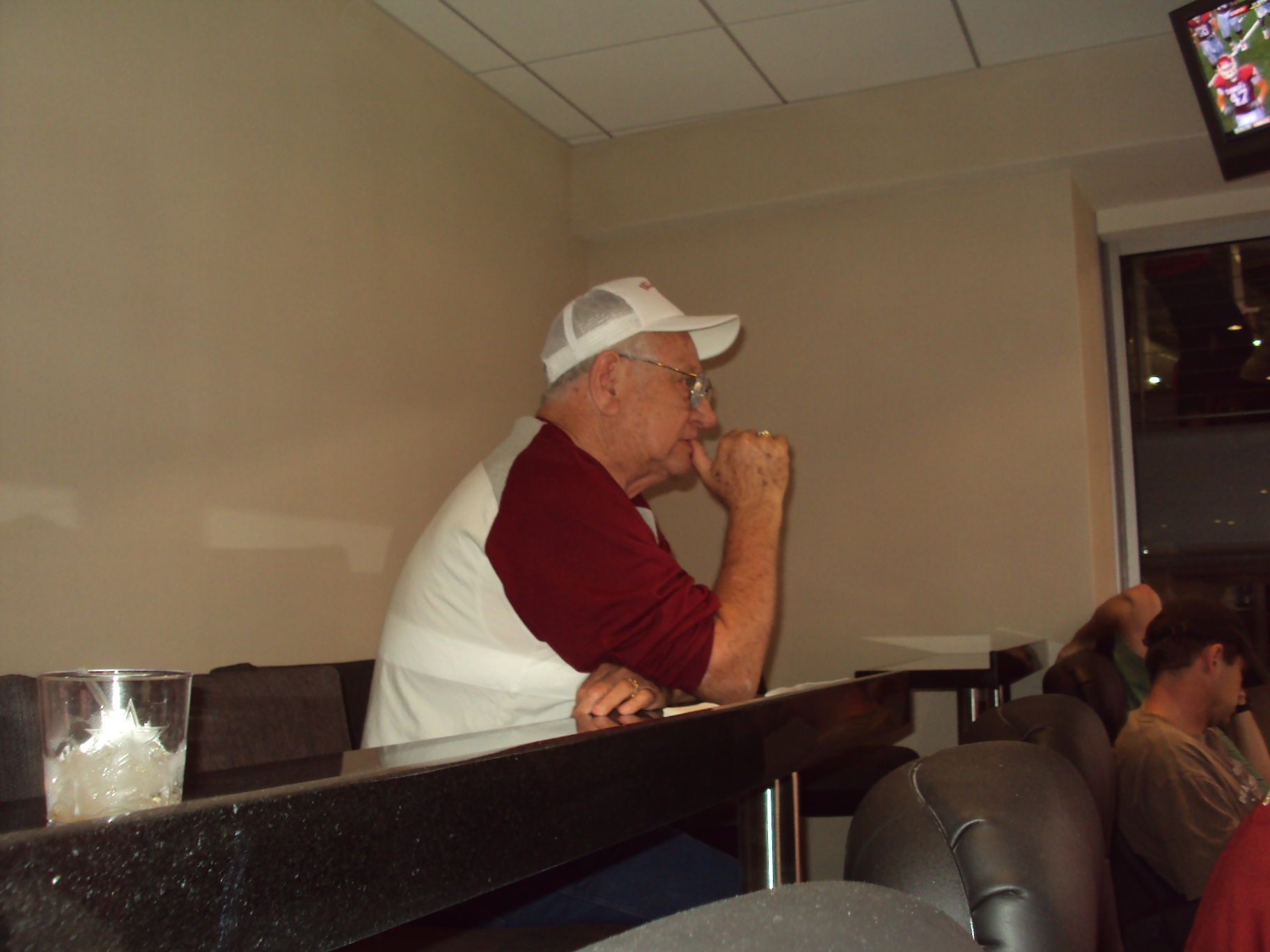
At BYU-OUOur great friend Glenn Branscum set up a bunch of guys from Legacy with seats in his suite for the game. And when I say seats in his suite, I mean huge, fat, oversized, reclining leather seats with armrests and cupholders. Most every one in the room was a big Sooners fan. That’s why they were invited. Of course, most every one of the 80,000 in the stadium were Sooners fans. And everything Norman Southwas great.

Until about halfway through the second quarter when it became obvious that OU has some serious offensive line problems and some major gaps in the secondary. It got really quiet in there when Sooners quarterback Sam Bradford went down with his injury near the end of the first half. Whitney was excited (“Darling, you can’t cheer an injury. He’s a real person” “But, dad, this is good for BYU!”), but most of the rest of our crew spent the last two hours of the evening in a dark, dark, depression. Brandon didn’t say anything or look at anybody. Paul chewed off all his fingernails and then started working on the coasters. Dillon was in a catatonic trance. Ken and Ada prayed the whole second half (I’m sorry, God is NOT an OU fan). And I spent those last two quarters trying to keep Whitney from rubbing it in.

Words can’t describe this stadium. I have a lot to say about it. Maybe nothing you haven’t already read somewhere else. But I’ll save it for later. My sincere thanks to Glenn and Karen and the Branscum family for setting us up with a fantastic evening together. Thank you, thank you, thank you!

~~~~~~~~~~~~~~~~~~~~~~~~~~~~~~~~~~~~~~~~~~~~~~~~~~~~~~~~~~~~~~~~~~~~~~~~~~~~~~~~~~

Jimmy Shay MitchellAlways a blessing to see great friend Jimmy Mitchell. He and his youth group and sponsors from the Northside Church in Benton, Arkansas worshiped with us at Legacy yesterday after a weekend at Six Flags. “Hi” to Elizabeth and Jenniva. We wish we could have seen y’all, too.  And update your blog, Jimmy!

~~~~~~~~~~~~~~~~~~~~~~~~~~~~~~~~~~~~~~~~~~~~~~~~~~~~~~~~~~~~~~~~~~~~~~~~~~~~~~~~~~~

Tim SederJust six more days until the Cowboys kick off their season against the Tampa Bay Buccaneers. And the second-best player in Cowboys history to ever wear #6 is Tim Seder. He was a kicker from Ashland who played two seasons in Dallas (2000-2001). He converted 72% of his field goals (36/50) during his tenure here and never missed a PAT (39/39). The interesting thing about Seder, though, is that he scored rushing touchdowns on fake field goals twice, once in each of his two years. I don’t have time to look them up. Who cares?

Yesterday’s #7 is quarterback Chad Hutchinson. Sorry, I just can’t go with Randall Cunningham, just like I couldn’t give Red Ribbon Review #7the nod to Harold Carmichael a couple of weeks ago. Hutchinson entered the picture during Jerry Wayne’s brief period of fascination with baseball-playing quarterbacks. He preceded Michigan’s Drew Henson in Dallas by a season.

Hutchinson had played the 2001 season as a reliever for the St. Louis Cardinals where he appeared in three games, allowing 16 baserunners on nine hits and six walks and a hit batter in a total of four innings of work. He gave up eleven earned runs and completed his MLB career with a 24.75 ERA.

Chad HutchinsonAnd he didn’t fare much better with the Cowboys. Following a four-interception performance in a loss to Arizona, Jerry pulled Quincy Carter and handed his team to Hutchinson, promising that this pitcher from Stanford was the future. However, his first ever start, at Texas Stadium against the Seahawks on October 27, was overshadowed by Emmitt Smith’s historic breaking of Walter Payton’s all-time rushing mark. The Cowboys, as you recall, lost that day. And Hutchinson went 2-7 in his nine starts that year, completing 51% of his passes for seven TDs and eight interceptions. The second-best #7 in Cowboys history is just another mediocre quarterback in a revolving door of them since Troy Aikman stepped down nine long years ago.

Peace,

Allan

The Kingdom Of God Is Here!

Jesus preaches the Kingdom. “Repent!” he says, “The Kingdom of God is near!” And then what does he do? He frees the prisoner, heals the blind and lame, rescues the oppressed.

Those are the signs of the Kingdom.

John the Baptist sends to find out if Jesus is the Messiah and Jesus says, look, you know what the signs are. “…the blind receive sight, the lame walk, those who have leprosy are cured, the deaf hear, the dead are raised, and the good news is preached to the poor.”

That’s the Kingdom.

Distressed people being encouraged. Cold people being warmed. Hurting people being comforted. The outcasts being brought in and made family.

The Kingdom of God.

When we talk about the Kingdom strictly in terms of church and the institution and the rules and the order — when that’s our whole idea of Kingdom — we quickly lose sight of the very things that the Kingdom of God what it is. Centuries of church development and decision-making and rule-making can cloud our vision. When we see the Kingdom exclusively as church, we tend to focus only on the features and characteristics of the church.

Our challenge is to insure that our identifying characteristics genuinely correspond to those of the Kingdom Jesus was preaching. Maintaining our institutional status quo is not necessarily the same as being faithful to Jesus and his mission. Being a member in good standing or being a middle-of-the-road church isn’t necessarily the same as living under the reign of God.

Our King came into this world in order to serve and to save. And that is the business of his subjects, as well. May our Lord bless us as we serve and rescue and save in his name.

~~~~~~~~~~~~~~~~~~~~~~~~~~~~~~~~~~~~~~~~~~~~~~~~~~~~~~~~~~~~~~~~~~~~~~~~~~~~~~~~~~~~

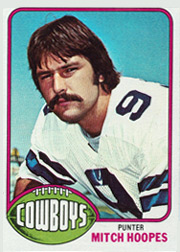
Only nine days until the Cowboys kick off their 50th regular NFL season. One week from Sunday, they’ll tee it up against the Bucs down in Tampa Bay. And we’re counting down the days with what we’ve been calling the Red Ribbon Review. These are the second-best players in Cowboys history according to jersey number. The almosts. The also-rans. The not-quites.

Mitch HoopesToday’s #9 is Super Bowl punter Mitch Hoopes. (Doesn’t his picture just scream “Mid-70s”?) He was part of that historic Dirty Dozen draft of 1975, taken by Tom Landry in the eighth round out of Arizona. One of the few, if only, times the Cowboys have ever drafted a kicker. Hoopes was the punter as a rookie that year, posting a pedestrian 39.4 yards per kick average. Dallas made a shocking run to Super Bowl X, a heart-breaking loss to the Steelers in Miami, and then promptly brought in Danny White during the offseason to back up Roger Staubach.

And to punt.

Hoopes was released. And White became, in Staubach’s own words, “America’s Punter.”

Tomorrow’s #8 in the countdown is the only other player in Cowboys history to wear #8 besides the obvious Hall of Famer. Buzz Sawyer. His real name is Robert Meade Sawyer, according to pro football reference guides. But the Cowboys list him as Buzz. He was born in Waxahachie, punted for Texas A&M and Baylor, and wound up playing for the Cowboys scab team during the 1987 players strike. Three games. 16 total punts. 39.9 yards per kick average. And the only exclusively-scabs player to make the Red Ribbon Review.

Peace,

Allan

« Older posts Newer posts »