“If we died with him,
we will also live with him;
If we endure,
we will also reign with him;
If we disown him,
he will also disown us;
If we are faithless,
he will remain faithful,
for he cannot disown himself.” ~2 Timothy 11-13
Category: Ministry (Page 27 of 35)
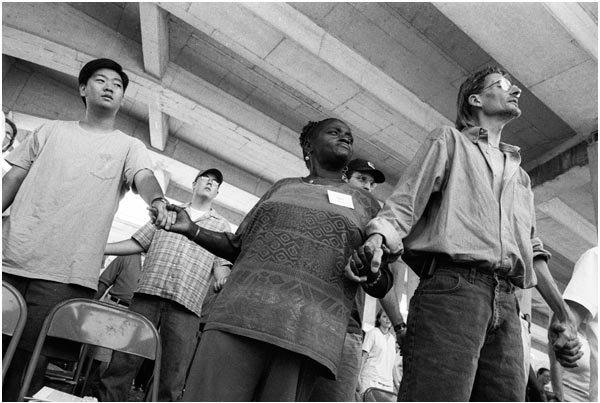
Mark 12 – Jesus is debating with the chief priests, the teachers of the Law, and the elders. They’re walking through the temple courts. I imagine they’re somewhere on the South side of the temple, probably on the huge steps that led up to the Huldah gates and the temple’s main entrance. If not, they were probably somewhere in the maze of courtyards below, the busiest and most crowded area of the temple grounds. They’re going back and forth on all kinds of things: Jesus’ authority, the rejection of the Messiah, politics and taxes, marriage and the resurrection.
Then one of the teachers engages our Savior in a topic that really matters. This question counts. “Of all the commandments, which is the most important?”
Jesus answers with what he always said perfectly summed up every word of the Law and the Prophets: Love God and love neighbor. “There is no commandment greater than these.”
The teacher of the Law agrees. In a humorous way, only because we know Jesus’ true identity as the holy Son of God, he actually commends Jesus for his wise and true answer. “Well said, teacher. You are right.” (Duh! Jesus was there when the commands were given!) But he takes it a step farther. In fact, this teacher of the Law, a comrade of those who were questioning Jesus and attempting to trick him and trap him and get him out of the picture, takes it one huge, giant, leap forward. He makes the bold claim, to Jesus and in front of all his cohorts, that loving God and loving neighbor is “more important than all burnt offerings and sacrifices.”
I imagine this teacher actually pointing to and gesturing toward the people and the animals and the altars, the priests and the books and the chants, that surrounded them in this scene. Loving God and loving neighbor trumps all of this, he says to Jesus. Loving God and loving neighbor means more, it is more, than anything that happens in here!
And our Lord — does he smile? Does he wink? Does his face break out in a massive ear-to-ear grin? — looks this teacher right in the eye and says, “You are not far from the Kingdom of God.”
I often wonder what Jesus was thinking at this point. “This man gets it! Here’s a guy who really understands! He’s in the middle of all the trappings of the religious establishment, he’s being blocked and detoured and slowed down and held back by all the rules and regulations and rituals and ceremonies, but he understands it’s not about any of these things! He gets it!”
“You are not far from the Kingdom of God.”
When people asked Jesus about the Kingdom of God, not once did he ever say, “It’s that group over there that meets on Sundays for worship and Bible class.” When Jesus explained the Kingdom of God, he never once said, “It’s identified by those who take communion once a week on the Lord’s Day and sing acappella.” Jesus never told a story about the Kingdom of God and interpreted it by claiming, “You’ll know the Kingdom when you see two songs and a prayer and announcements either at the beginning or the end. Or sometimes both.”
No.
Jesus always says the Kingdom is about hurting people being comforted. It’s distressed people being encouraged. It’s cold people being warmed. It’s the outcasts being brought in and made a part of the family. It’s God using his people to help other people.
The true marks of the Kingdom have very little, if anything, to do with what happens inside your church building between announcements and prayers. Instead, the Kingdom of God is grounded firmly in the weightier matters of justice and mercy and love and faithfulness. The requirements of living in the Kingdom are not keeping the rules as much as they are about acting justly, loving mercy, and walking humbly before God.
Maintaining our institutional status quo is not necessarily the same as being faithful to Jesus and his mission. Being a member in good standing or a middle-of-the-road church is not necessarily the same as living under the reign of God.
Our King came into this world to sacrifice and to serve and to save. And that is the business of his subjects, too. When we get it through our heads that this calling trumps every other calling we think we might have as children of God and followers of the Son, then we are not far from the Kingdom of God.
~~~~~~~~~~~~~~~~~~~~~~~~~~~~~~~~~~~~~~~~~~~~~~~~~~~~~~~~~~~~~~~~~~~~~~~~~~~~~~~~~~~

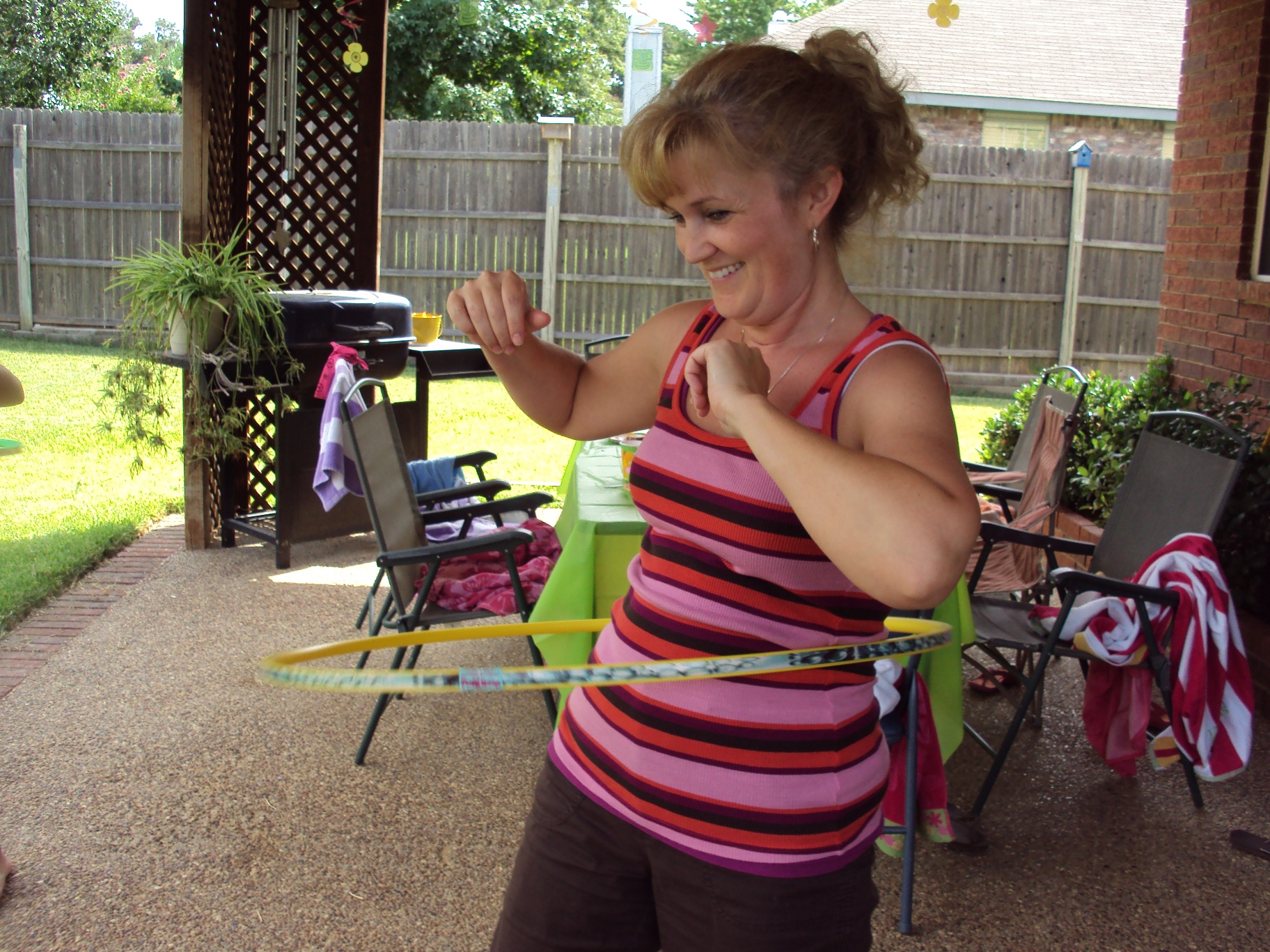
Carley’s ten. Or at least she will be Thursday. We had her party at the house Saturday. A whole bunch of silly 4th grade girls. Kate won the limbo contest. Elizabeth took the hula hoop prize (although Carrie-Anne beat her later in a head-to-head). And then Whitney and I beat it for the new Cowboys Stadium in Arlington and the OU-BYU football game.
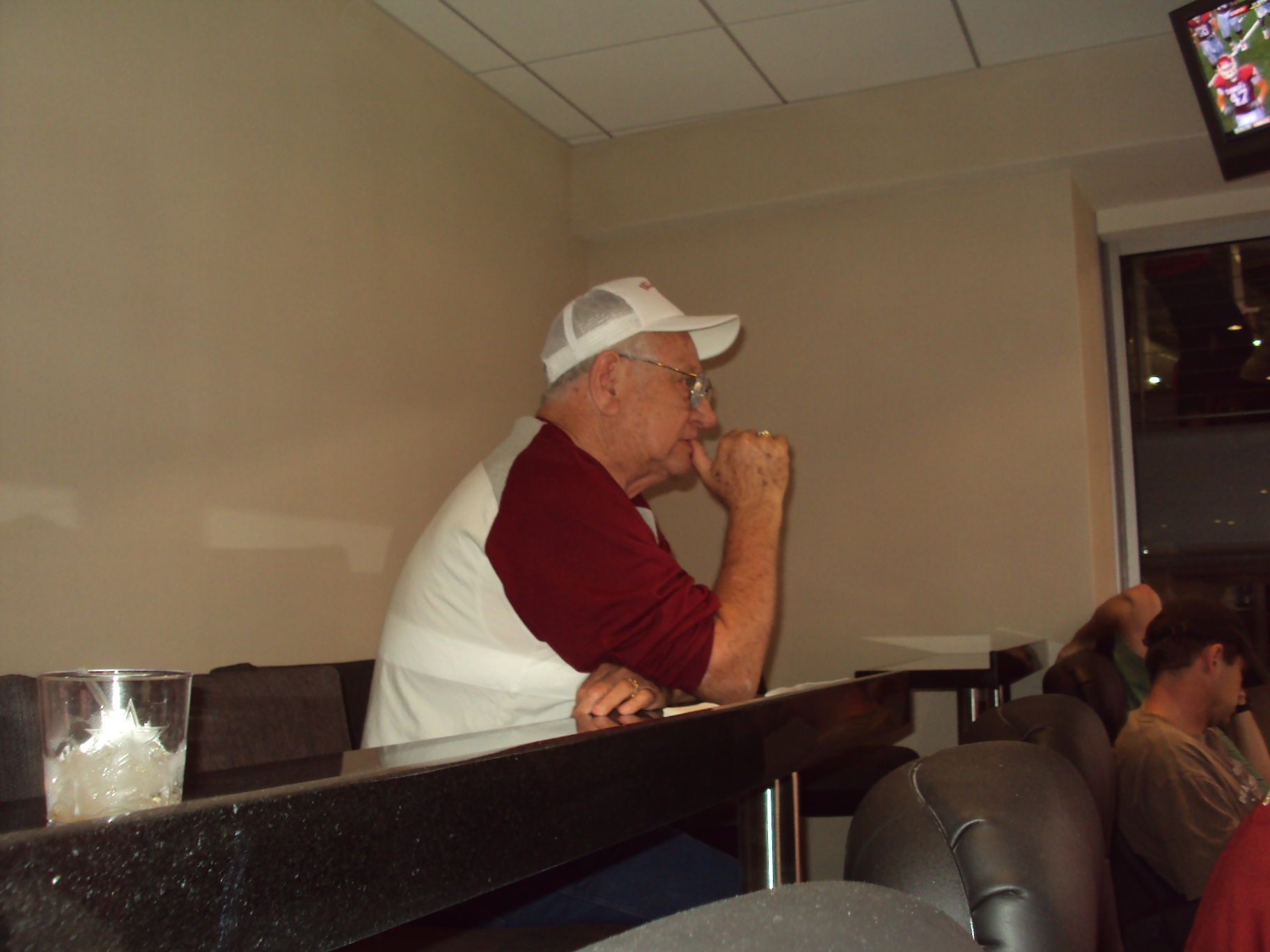
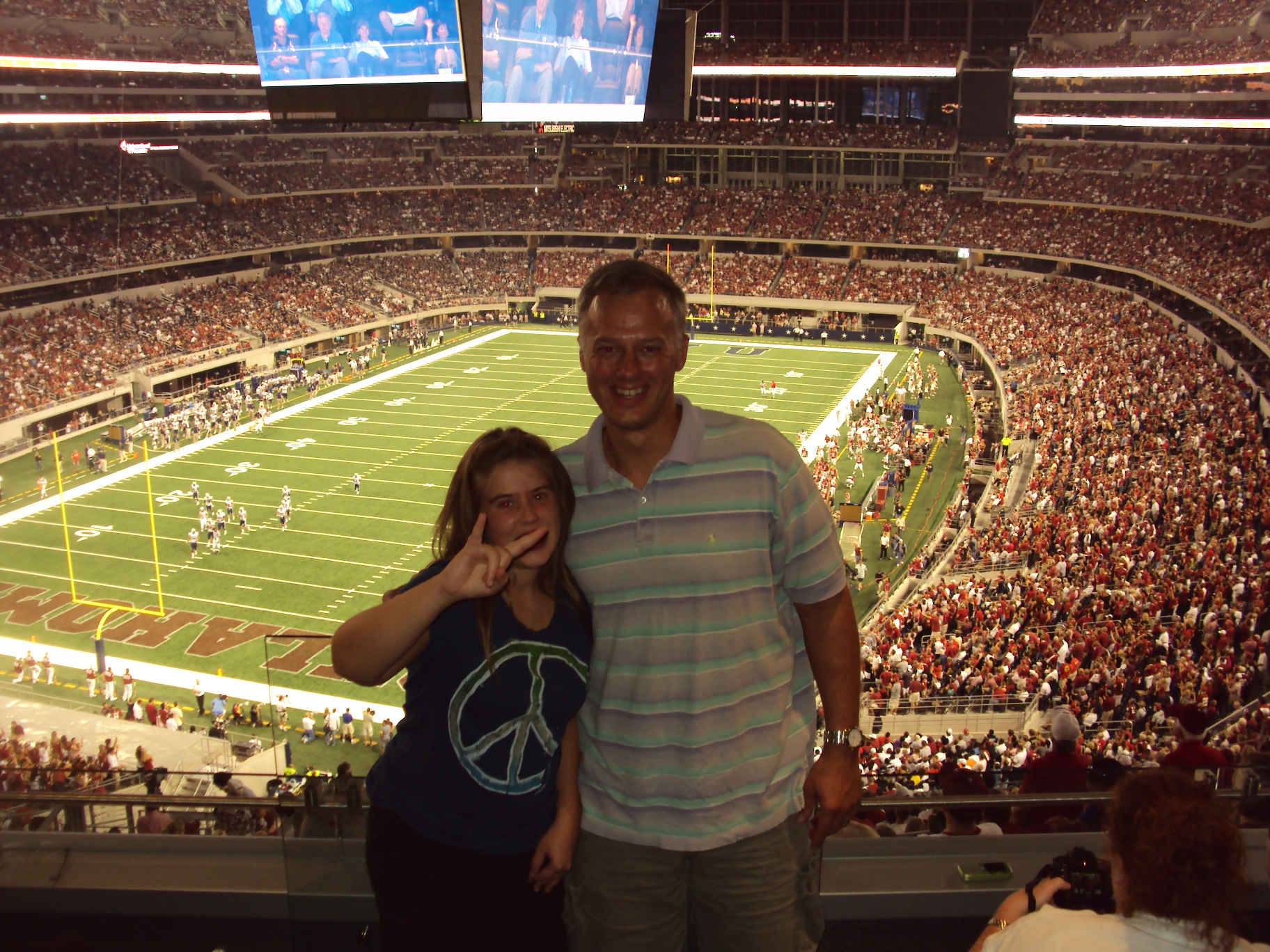 Our great friend Glenn Branscum set up a bunch of guys from Legacy with seats in his suite for the game. And when I say seats in his suite, I mean huge, fat, oversized, reclining leather seats with armrests and cupholders. Most every one in the room was a big Sooners fan. That’s why they were invited. Of course, most every one of the 80,000 in the stadium were Sooners fans. And everything
 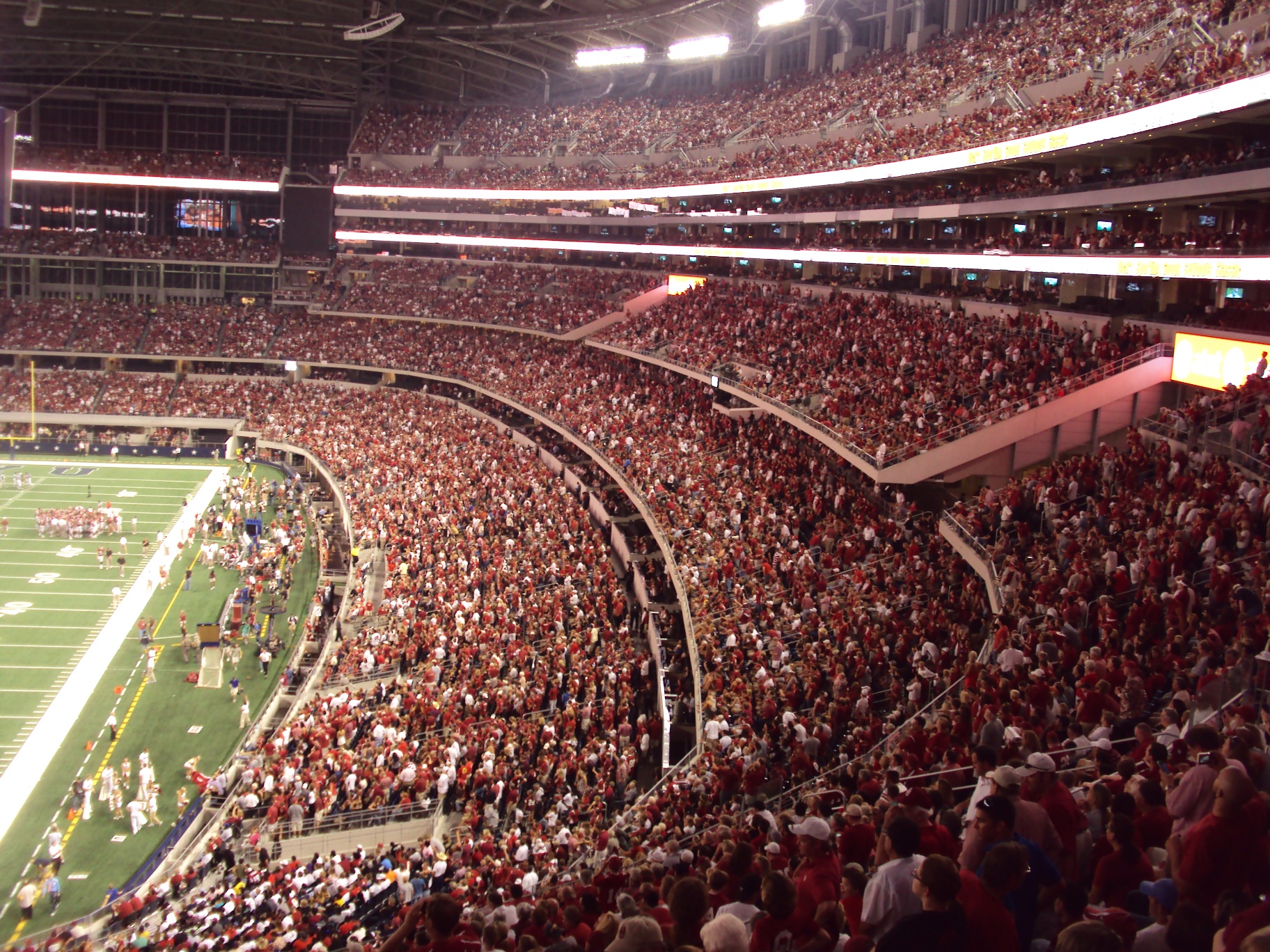 was great.
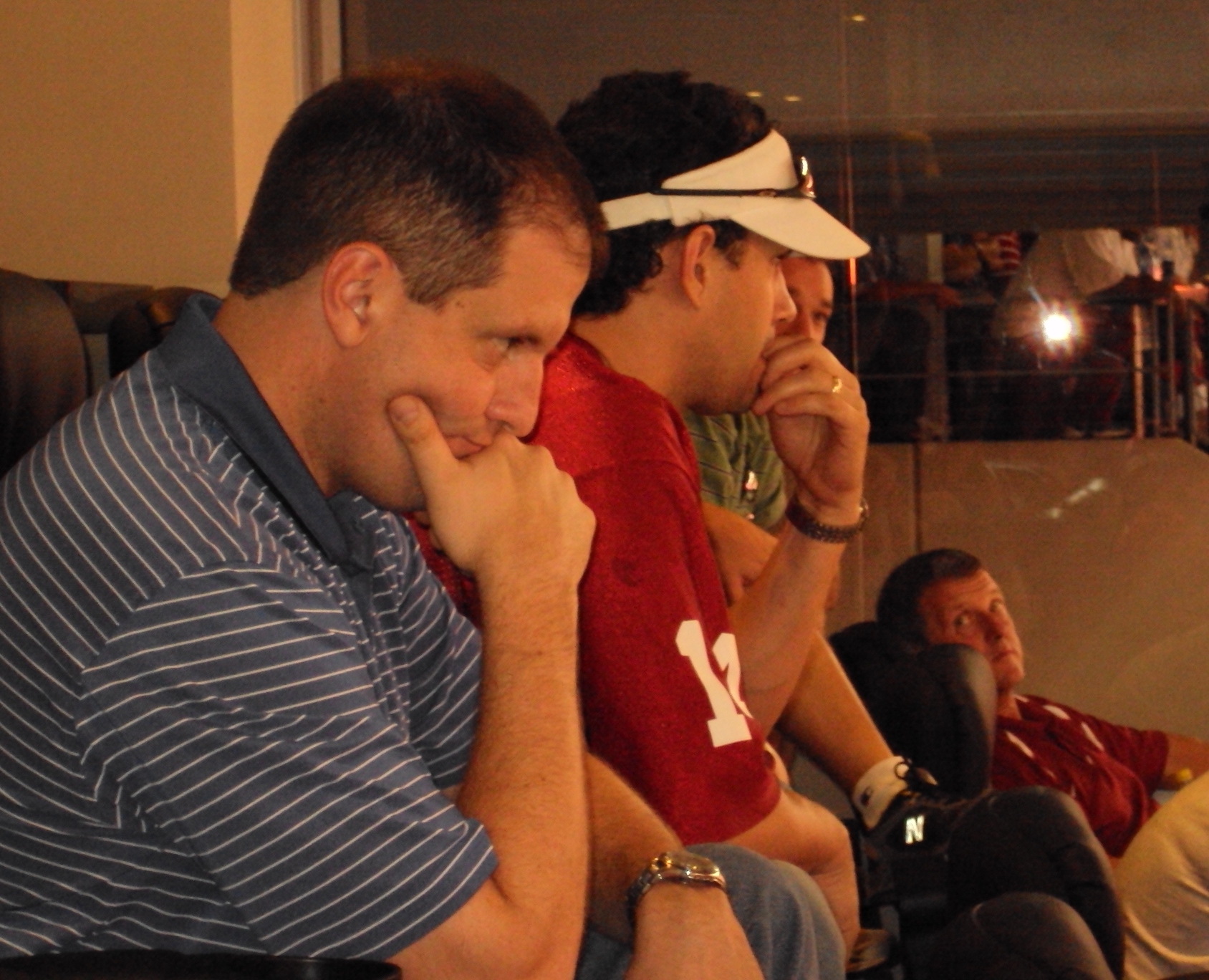
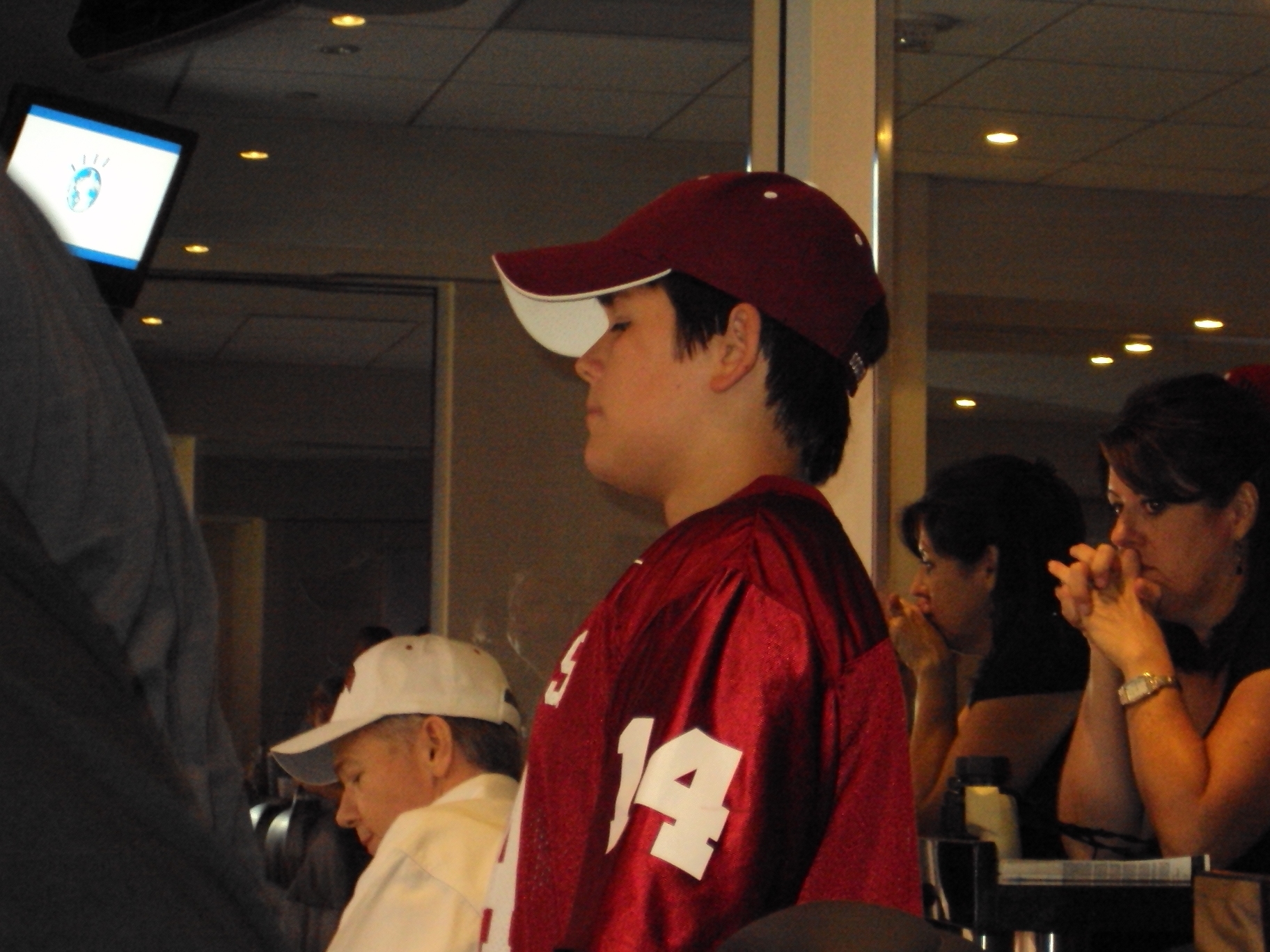
Until about halfway through the second quarter when it became obvious that OU has some serious offensive line problems and some major gaps in the secondary. It got really quiet in there when Sooners quarterback Sam Bradford went down with his injury near the end of the first half. Whitney was excited (“Darling, you can’t cheer an injury. He’s a real person” “But, dad, this is good for BYU!”), but most of the rest of our crew spent the last two hours of the evening in a dark, dark, depression. Brandon didn’t say anything or look at anybody. Paul chewed off all his fingernails and then started working on the coasters. Dillon was in a catatonic trance. Ken and Ada prayed the whole second half (I’m sorry, God is NOT an OU fan). And I spent those last two quarters trying to keep Whitney from rubbing it in.
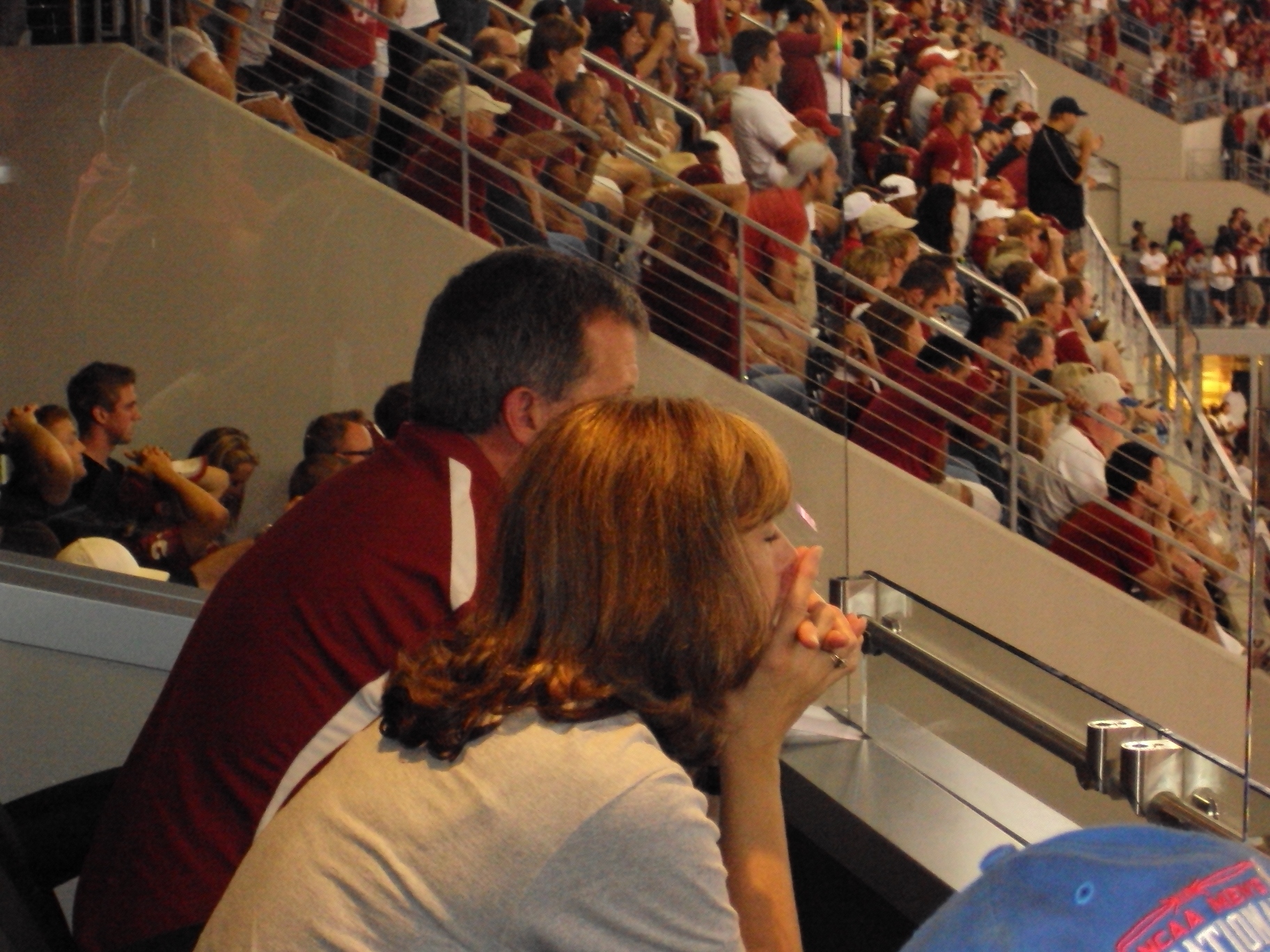
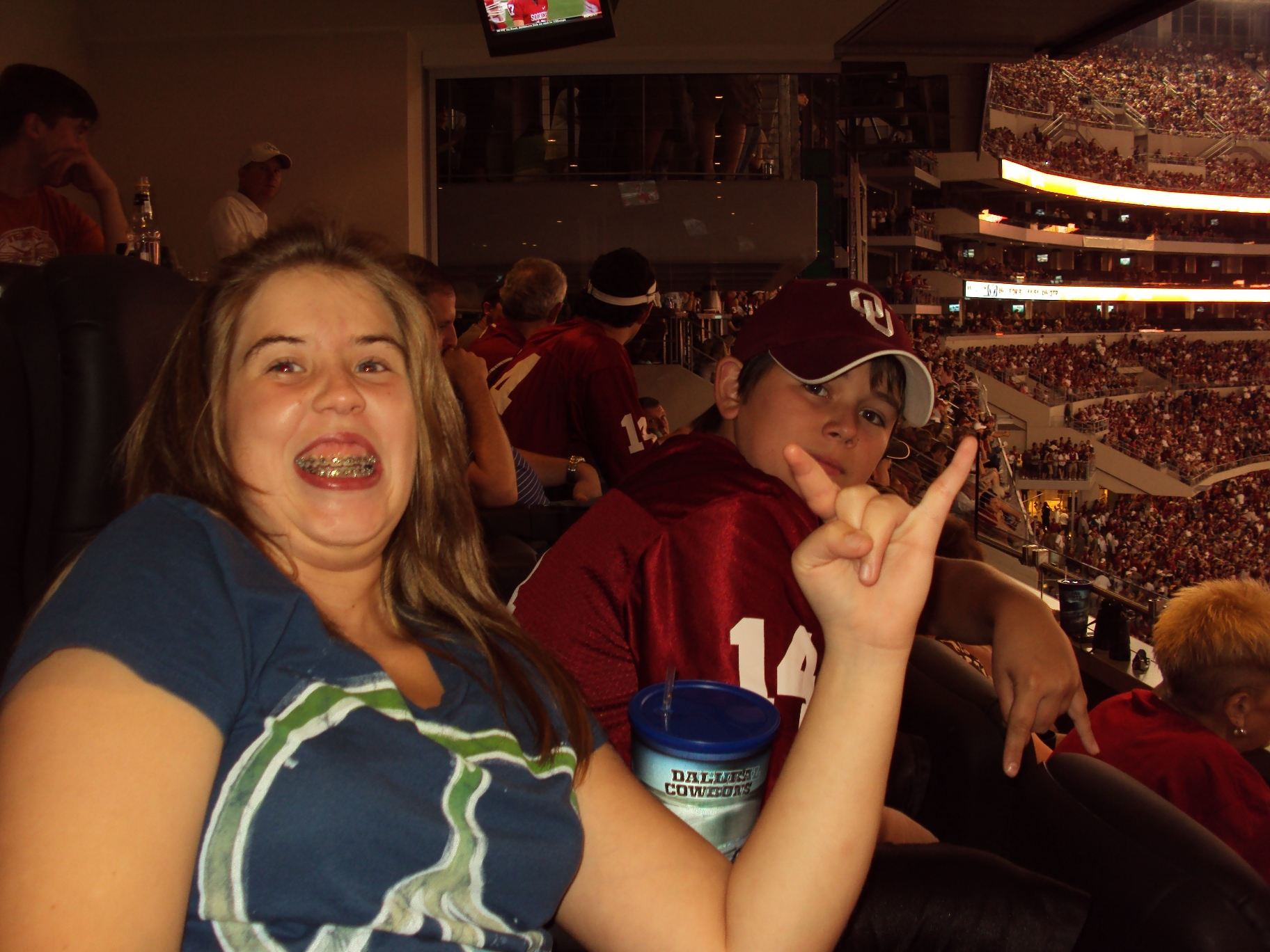
Words can’t describe this stadium. I have a lot to say about it. Maybe nothing you haven’t already read somewhere else. But I’ll save it for later. My sincere thanks to Glenn and Karen and the Branscum family for setting us up with a fantastic evening together. Thank you, thank you, thank you!
~~~~~~~~~~~~~~~~~~~~~~~~~~~~~~~~~~~~~~~~~~~~~~~~~~~~~~~~~~~~~~~~~~~~~~~~~~~~~~~~~~
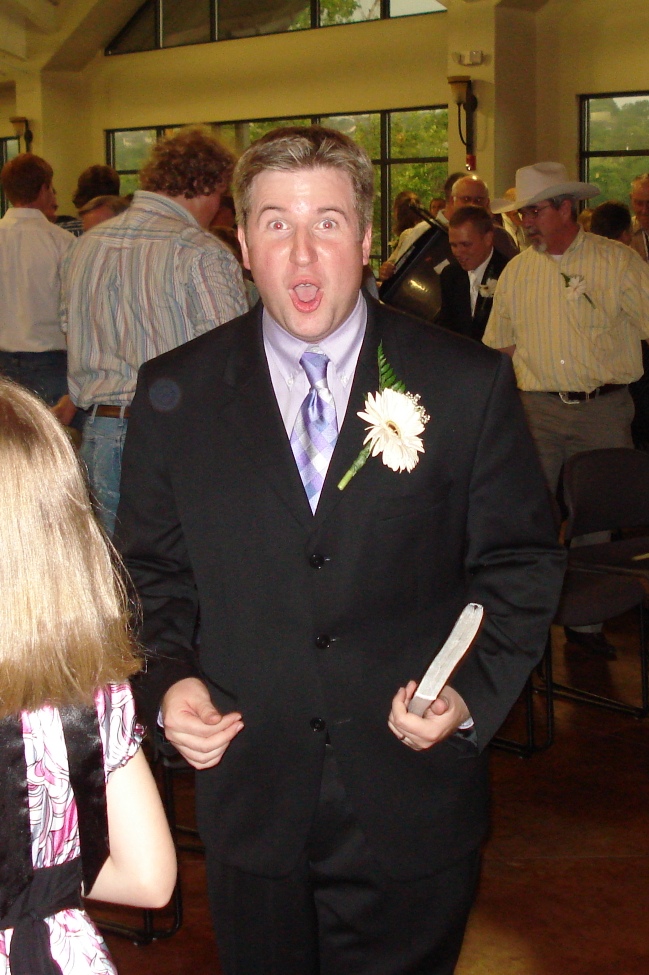 Always a blessing to see great friend Jimmy Mitchell. He and his youth group and sponsors from the Northside Church in Benton, Arkansas worshiped with us at Legacy yesterday after a weekend at Six Flags. “Hi” to Elizabeth and Jenniva. We wish we could have seen y’all, too. And update your blog, Jimmy!
~~~~~~~~~~~~~~~~~~~~~~~~~~~~~~~~~~~~~~~~~~~~~~~~~~~~~~~~~~~~~~~~~~~~~~~~~~~~~~~~~~~
 Just six more days until the Cowboys kick off their season against the Tampa Bay Buccaneers. And the second-best player in Cowboys history to ever wear #6 is Tim Seder. He was a kicker from Ashland who played two seasons in Dallas (2000-2001). He converted 72% of his field goals (36/50) during his tenure here and never missed a PAT (39/39). The interesting thing about Seder, though, is that he scored rushing touchdowns on fake field goals twice, once in each of his two years. I don’t have time to look them up. Who cares?
Yesterday’s #7 is quarterback Chad Hutchinson. Sorry, I just can’t go with Randall Cunningham, just like I couldn’t give  the nod to Harold Carmichael a couple of weeks ago. Hutchinson entered the picture during Jerry Wayne’s brief period of fascination with baseball-playing quarterbacks. He preceded Michigan’s Drew Henson in Dallas by a season.
Hutchinson had played the 2001 season as a reliever for the St. Louis Cardinals where he appeared in three games, allowing 16 baserunners on nine hits and six walks and a hit batter in a total of four innings of work. He gave up eleven earned runs and completed his MLB career with a 24.75 ERA.
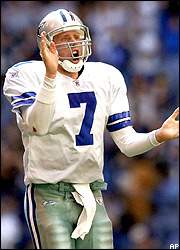 And he didn’t fare much better with the Cowboys. Following a four-interception performance in a loss to Arizona, Jerry pulled Quincy Carter and handed his team to Hutchinson, promising that this pitcher from Stanford was the future. However, his first ever start, at Texas Stadium against the Seahawks on October 27, was overshadowed by Emmitt Smith’s historic breaking of Walter Payton’s all-time rushing mark. The Cowboys, as you recall, lost that day. And Hutchinson went 2-7 in his nine starts that year, completing 51% of his passes for seven TDs and eight interceptions. The second-best #7 in Cowboys history is just another mediocre quarterback in a revolving door of them since Troy Aikman stepped down nine long years ago.
Peace,
Allan
Mark 12 – Jesus is debating with the chief priests, the teachers of the Law, and the elders. They’re walking through the temple courts. I imagine they’re somewhere on the South side of the temple, probably on the huge steps that led up to the Huldah gates and the temple’s main entrance. If not, they were probably somewhere in the maze of courtyards below, the busiest and most crowded area of the temple grounds. They’re going back and forth on all kinds of things: Jesus’ authority, the rejection of the Messiah, politics and taxes, marriage and the resurrection.
Then one of the teachers engages our Savior in a topic that really matters. This question counts. “Of all the commandments, which is the most important?”
Jesus answers with what he always said perfectly summed up every word of the Law and the Prophets: Love God and love neighbor. “There is no commandment greater than these.”
The teacher of the Law agrees. In a humorous way, only because we know Jesus’ true identity as the holy Son of God, he actually commends Jesus for his wise and true answer. “Well said, teacher. You are right.” (Duh! Jesus was there when the commands were given!) But he takes it a step farther. In fact, this teacher of the Law, a comrade of those who were questioning Jesus and attempting to trick him and trap him and get him out of the picture, takes it one huge, giant, leap forward. He makes the bold claim, to Jesus and in front of all his cohorts, that loving God and loving neighbor is “more important than all burnt offerings and sacrifices.”
I imagine this teacher actually pointing to and gesturing toward the people and the animals and the altars, the priests and the books and the chants, that surrounded them in this scene. Loving God and loving neighbor trumps all of this, he says to Jesus. Loving God and loving neighbor means more, it is more, than anything that happens in here!
And our Lord — does he smile? Does he wink? Does his face break out in a massive ear-to-ear grin? — looks this teacher right in the eye and says, “You are not far from the Kingdom of God.”
I often wonder what Jesus was thinking at this point. “This man gets it! Here’s a guy who really understands! He’s in the middle of all the trappings of the religious establishment, he’s being blocked and detoured and slowed down and held back by all the rules and regulations and rituals and ceremonies, but he understands it’s not about any of these things! He gets it!”
“You are not far from the Kingdom of God.”
When people asked Jesus about the Kingdom of God, not once did he ever say, “It’s that group over there that meets on Sundays for worship and Bible class.” When Jesus explained the Kingdom of God, he never once said, “It’s identified by those who take communion once a week on the Lord’s Day and sing acappella.” Jesus never told a story about the Kingdom of God and interpreted it by claiming, “You’ll know the Kingdom when you see two songs and a prayer and announcements either at the beginning or the end. Or sometimes both.”
No.
Jesus always says the Kingdom is about hurting people being comforted. It’s distressed people being encouraged. It’s cold people being warmed. It’s the outcasts being brought in and made a part of the family. It’s God using his people to help other people.
The true marks of the Kingdom have very little, if anything, to do with what happens inside your church building between announcements and prayers. Instead, the Kingdom of God is grounded firmly in the weightier matters of justice and mercy and love and faithfulness. The requirements of living in the Kingdom are not keeping the rules as much as they are about acting justly, loving mercy, and walking humbly before God.
Maintaining our institutional status quo is not necessarily the same as being faithful to Jesus and his mission. Being a member in good standing or a middle-of-the-road church is not necessarily the same as living under the reign of God.
Our King came into this world to sacrifice and to serve and to save. And that is the business of his subjects, too. When we get it through our heads that this calling trumps every other calling we think we might have as children of God and followers of the Son, then we are not far from the Kingdom of God.
~~~~~~~~~~~~~~~~~~~~~~~~~~~~~~~~~~~~~~~~~~~~~~~~~~~~~~~~~~~~~~~~~~~~~~~~~~~~~~~~~~~
Carley’s ten. Or at least she will be Thursday. We had her party at the house Saturday. A whole bunch of silly 4th grade girls. Kate won the limbo contest. Elizabeth took the hula hoop prize (although Carrie-Anne beat her later in a head-to-head). And then Whitney and I beat it for the new Cowboys Stadium in Arlington and the OU-BYU football game.
Our great friend Glenn Branscum set up a bunch of guys from Legacy with seats in his suite for the game. And when I say seats in his suite, I mean huge, fat, oversized, reclining leather seats with armrests and cupholders. Most every one in the room was a big Sooners fan. That’s why they were invited. Of course, most every one of the 80,000 in the stadium were Sooners fans. And everything was great.
Until about halfway through the second quarter when it became obvious that OU has some serious offensive line problems and some major gaps in the secondary. It got really quiet in there when Sooners quarterback Sam Bradford went down with his injury near the end of the first half. Whitney was excited (“Darling, you can’t cheer an injury. He’s a real person” “But, dad, this is good for BYU!”), but most of the rest of our crew spent the last two hours of the evening in a dark, dark, depression. Brandon didn’t say anything or look at anybody. Paul chewed off all his fingernails and then started working on the coasters. Dillon was in a catatonic trance. Ken and Ada prayed the whole second half (I’m sorry, God is NOT an OU fan). And I spent those last two quarters trying to keep Whitney from rubbing it in.
Words can’t describe this stadium. I have a lot to say about it. Maybe nothing you haven’t already read somewhere else. But I’ll save it for later. My sincere thanks to Glenn and Karen and the Branscum family for setting us up with a fantastic evening together. Thank you, thank you, thank you!
~~~~~~~~~~~~~~~~~~~~~~~~~~~~~~~~~~~~~~~~~~~~~~~~~~~~~~~~~~~~~~~~~~~~~~~~~~~~~~~~~~
Always a blessing to see great friend Jimmy Mitchell. He and his youth group and sponsors from the Northside Church in Benton, Arkansas worshiped with us at Legacy yesterday after a weekend at Six Flags. “Hi” to Elizabeth and Jenniva. We wish we could have seen y’all, too. And update your blog, Jimmy!
~~~~~~~~~~~~~~~~~~~~~~~~~~~~~~~~~~~~~~~~~~~~~~~~~~~~~~~~~~~~~~~~~~~~~~~~~~~~~~~~~~~
Just six more days until the Cowboys kick off their season against the Tampa Bay Buccaneers. And the second-best player in Cowboys history to ever wear #6 is Tim Seder. He was a kicker from Ashland who played two seasons in Dallas (2000-2001). He converted 72% of his field goals (36/50) during his tenure here and never missed a PAT (39/39). The interesting thing about Seder, though, is that he scored rushing touchdowns on fake field goals twice, once in each of his two years. I don’t have time to look them up. Who cares?
Yesterday’s #7 is quarterback Chad Hutchinson. Sorry, I just can’t go with Randall Cunningham, just like I couldn’t give the nod to Harold Carmichael a couple of weeks ago. Hutchinson entered the picture during Jerry Wayne’s brief period of fascination with baseball-playing quarterbacks. He preceded Michigan’s Drew Henson in Dallas by a season.
Hutchinson had played the 2001 season as a reliever for the St. Louis Cardinals where he appeared in three games, allowing 16 baserunners on nine hits and six walks and a hit batter in a total of four innings of work. He gave up eleven earned runs and completed his MLB career with a 24.75 ERA.
And he didn’t fare much better with the Cowboys. Following a four-interception performance in a loss to Arizona, Jerry pulled Quincy Carter and handed his team to Hutchinson, promising that this pitcher from Stanford was the future. However, his first ever start, at Texas Stadium against the Seahawks on October 27, was overshadowed by Emmitt Smith’s historic breaking of Walter Payton’s all-time rushing mark. The Cowboys, as you recall, lost that day. And Hutchinson went 2-7 in his nine starts that year, completing 51% of his passes for seven TDs and eight interceptions. The second-best #7 in Cowboys history is just another mediocre quarterback in a revolving door of them since Troy Aikman stepped down nine long years ago.
Peace,
Allan
Jesus preaches the Kingdom. “Repent!” he says, “The Kingdom of God is near!” And then what does he do? He frees the prisoner, heals the blind and lame, rescues the oppressed.
Those are the signs of the Kingdom.
John the Baptist sends to find out if Jesus is the Messiah and Jesus says, look, you know what the signs are. “…the blind receive sight, the lame walk, those who have leprosy are cured, the deaf hear, the dead are raised, and the good news is preached to the poor.”
That’s the Kingdom.
Distressed people being encouraged. Cold people being warmed. Hurting people being comforted. The outcasts being brought in and made family.
The Kingdom of God.
When we talk about the Kingdom strictly in terms of church and the institution and the rules and the order — when that’s our whole idea of Kingdom — we quickly lose sight of the very things that the Kingdom of God what it is. Centuries of church development and decision-making and rule-making can cloud our vision. When we see the Kingdom exclusively as church, we tend to focus only on the features and characteristics of the church.
Our challenge is to insure that our identifying characteristics genuinely correspond to those of the Kingdom Jesus was preaching. Maintaining our institutional status quo is not necessarily the same as being faithful to Jesus and his mission. Being a member in good standing or being a middle-of-the-road church isn’t necessarily the same as living under the reign of God.
Our King came into this world in order to serve and to save. And that is the business of his subjects, as well. May our Lord bless us as we serve and rescue and save in his name.
~~~~~~~~~~~~~~~~~~~~~~~~~~~~~~~~~~~~~~~~~~~~~~~~~~~~~~~~~~~~~~~~~~~~~~~~~~~~~~~~~~~~
Only nine days until the Cowboys kick off their 50th regular NFL season. One week from Sunday, they’ll tee it up against the Bucs down in Tampa Bay. And we’re counting down the days with what we’ve been calling the Red Ribbon Review. These are the second-best players in Cowboys history according to jersey number. The almosts. The also-rans. The not-quites.
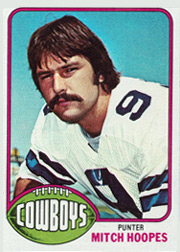 Today’s #9 is Super Bowl punter Mitch Hoopes. (Doesn’t his picture just scream “Mid-70s”?) He was part of that historic Dirty Dozen draft of 1975, taken by Tom Landry in the eighth round out of Arizona. One of the few, if only, times the Cowboys have ever drafted a kicker. Hoopes was the punter as a rookie that year, posting a pedestrian 39.4 yards per kick average. Dallas made a shocking run to Super Bowl X, a heart-breaking loss to the Steelers in Miami, and then promptly brought in Danny White during the offseason to back up Roger Staubach.
And to punt.
Hoopes was released. And White became, in Staubach’s own words, “America’s Punter.”
Tomorrow’s #8 in the countdown is the only other player in Cowboys history to wear #8 besides the obvious Hall of Famer. Buzz Sawyer. His real name is Robert Meade Sawyer, according to pro football reference guides. But the Cowboys list him as Buzz. He was born in Waxahachie, punted for Texas A&M and Baylor, and wound up playing for the Cowboys scab team during the 1987 players strike. Three games. 16 total punts. 39.9 yards per kick average. And the only exclusively-scabs player to make the Red Ribbon Review.
Peace,
Allan
 Who are the people who voice the most complaints about your church? Do criticisms about your congregation come from inside or outside your faith community? Who are your church’s accusers? Is one of them you?
I was visiting with a young brother in Christ this morning about the life and work of Dietrich Bonhoeffer. We were specifically talking about “The Cost of Discipleship” and “Life Together,” arguably his two greatest books. I’m re-reading a bunch of “The Cost of Discipleship” right now in preparation for the Fresno Spiritual Growth Workshop later this month. And skimming “Life Together” three or four times a year is just a smart thing to do if you’re a preacher or some other church leader.
I want to share with you this from “Life Together.” This is especially intended for us preachers and elders and deacons and ministry leaders in our Father’s Church. I was just casually glancing through it today when these underlined words screamed at me.
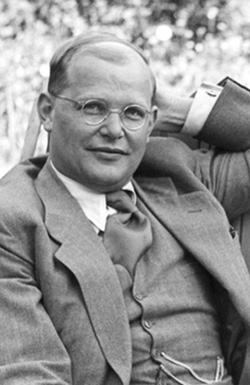 “If we do not give thanks daily for the Christian fellowship in which we have been placed, even when there is no great experience, no discoverable riches, but much weakness, small faith, and difficulty; if on the contrary, we only keep complaining to God that everything is so paltry and petty, so far from what we expected, then we hinder God from letting our fellowship grow according to the measure and riches which are there for us all in Jesus Christ.
This applies in a special way to the complaints often heard from pastors and zealous members about their congregations. A pastor should not complain about his congregation, certainly never to other people, but also not to God. A congregation has not been entrusted to him in order that he should become its accuser before God and men. When a person becomes alienated from a Christian community in which he has placed and begins to raise complaints about it, he had better examine himself.
Let him guard against ever becoming an accuser of the congregation before God. Let him rather accuse himself for his unbelief. Let him pray God for an understanding of his own failure and his particular sin, and pray that he may not wrong his brethren. Let him, in the consciousness of his own guilt, make intercession for his brethren. Let him do what he is committed to do, and thank God.”
Who are your church’s accusers? Don’t let it be you.
A better question, perhaps: Who are your church’s defenders?
~~~~~~~~~~~~~~~~~~~~~~~~~~~~~~~~~~~~~~~~~~~~~~~~~~~~~~~~~~~~~~~~~~~~~~~~~~~~~~~~~~~~
 The failure that is the Red Ribbon Review is drawing to a close. It seemed like a good idea at the time. It’s not. Nevertheless, I won’t be deterred. We’ll keep counting down the days until Cowboys season by recognizing the second-best players in team history according to jersey number until they kick off the against the Bucs at high noon on Sunday September 13.
Today’s pickings are so slim, we’re having to actually name two players to equal anything worth mentioning. Even then, it’s a huge stretch. There are ten days left until the Cowboys season begins. And there are half a dozen backup quarterbacks and backup punters and backup kickers who’ve worn that number. And nobody else. Not one starter in the bunch.
So, let’s go with two backup punters. Let’s honor Duane Carrell: seven games in 1974 (a non-playoff year), 40 total punts, an average of 39.8 yards per punt. And let’s also mention Barry Cantrell who punted in two games during the 2000 season (another non-playoff year), racking up an average of 36.7 yards per kick on 10 total punts.
Sorry,
Allan
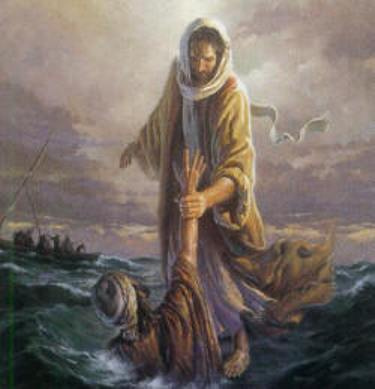 “You are in Christ Jesus, who has become for us wisdom from God — that is, our righteousness, holiness, and redemption.” ~1 Corinthians 1:30
All the doctrine of the Bible is made personal is Jesus. God’s wisdom is Jesus. Our righteousness is Jesus. Our holiness is Jesus. Our redemption is Jesus. Our resurrection is made personal and real in Jesus. Everything we need, and indeed have, for salvation and a right relationship with God is in Jesus.
When you’re down two scores in the fourth quarter you need a Pro Bowl quarterback, not a good playbook. When you’re being sued you need a good lawyer, not a comprehensive law encyclopedia. When you’re sick you need a good doctor, not a user-friendly medical website. And when you’re facing your greatest enemies — sin, death, Satan — you need the Savior of the World!
God’s wisdom and righteousness and holiness and redemption are gifts to you from him. They are benefits, yes. But they’re more than that. They are actually aspects of a relationship with Jesus. It is him in you. For all of us who were baptized into Christ have clothed ourselves with Christ.
When you belong to Christ Jesus you have all you’ll ever need in life and death, in time and space, and for eternity.
~~~~~~~~~~~~~~~~~~~~~~~~~~~~~~~~~~~~~~~~~~~~~~~~~~~~~~~~~~~~~~~~~~~~~~~~~~~~~~~~~~~~

A look back at Thomas Campbell’s Declaration and Address which he began writing in August 1809, 200 years ago this week inspires the reader to carefully and prayerfully consider our Lord’s call to Christian unity. Scripture’s picture of unity. Our God’s will for unity.
The opening lines — one sentence with tons of commas — goes like this:
“That it is the grand design, and native tendency, of our holy religion, to reconcile and unite men to God, and to each other, in truth and love, to the glory of God, and their own present and eternal good, will not, we presume, be denied, by any of the genuine subjects of christianity.”
The whole thing is a call to unity. Reconciliation. The kind of reconciliation Paul writes about in 2 Corinthians 5. Reconciliation between God and man. Between man and man. The kind of reconciliation that drives God’s eternal plans. The very ministry he’s given those of us who’ve professed our faith in him and put his Holy Son on in baptism. Campbell’s words in this document are bold. Aggressive. And they ring with beautiful and undeniable truth. The Declaration and Address, the charter document of our Churches of Christ, calls for a swift end to all divisions among those who claim to be followers of Jesus.
“Has the Captain of Salvation sounded a desist from pursuing, or proclaimed a truce with, this deadly enemy that is sheathing its sword in the very bowels of the church, rending and mangling his mystical body into pieces. Has he said to his servants, let it alone? If not, where is the warrant for a cessation of endeavors to have it removed?”
Campbell claims that tearing down the walls and uniting again with our brothers and sisters in Christ is a “matter of universal right, a duty belonging to every citizen of Zion, to seek her good.” And while the work will be difficult and the opposition will come mainly from within the church establishment, Campbell says it is God’s will. It is the Church’s will. It is the will of those who’ve gone before us. And our efforts will be divinely rewarded.
“…both the mighty and the many are with us. The Lord himself, and all that are truly his people, are declaredly on our side. The prayers of all the churches, nay, the prayers of Christ himself, John 17:20-23, and of all that have ascended to his heavenly kingdom, are with us.”
I thank God for the Campbells and the Stones and other giants of the faith who latched onto God’s holy will as revealed to us in Scripture and. would. not. let. it. go. They lived to obey God rather than man. They swore to use only the Bible as their guide. And they vowed that, despite the opposition, they would remain loyal to their King and his Kingdom. We owe them a tremendous debt of gratitude. We owe them the effort to carry on the difficult work they started 200 years ago.
~~~~~~~~~~~~~~~~~~~~~~~~~~~~~~~~~~~~~~~~~~~~~~~~~~~~~~~~~~~~~~~~~~~~~~~~~~~~~~~~~
 24 days until the Dallas Cowboys kick off their historic 50th NFL football season. 24 days from now they’ll be battling the Bucs down in Tampa. And we’re counting down the days with the Red Ribbon Review, a look at the second-best players in Cowboys history, according to jersey number. (This countdown becomes much more important with every Rangers loss. If they lose tonight, I’m blaming it on Lewin’s “1999-ish” comments on Tuesday.)
 The second-best ever #24 in Cowboys history is a Super Bowl MVP, cornerback Larry Brown. The Cowboys stole him with a 12th round pick in 1991 and got a starting right corner for five straight seasons, three of them Super Bowl championship seasons. Brown is best known for picking off two Neil O’Donnell passes in the second half of Super Bowl XXX which led directly to the points the Cowboys needed to win their third title in four years. Yes, the balls hit Brown right in the chest. Yes, it looked like one of them would have to be surgically removed after the game, O’Donnell threw them right at him so hard. But a lot of people forget what a great ’95 season Brown had leading up to that game.
The former TCU star collected six picks that season, racked up 124 return yards, and ran two of them back for TDs. All of this just a few months following the tragic death of his young son. It was a great story that year. But most people have already forgotten.
Brown used his three rings and his MVP trophy to cash a huge paycheck in Oakland with the Raiders. That only lasted two years. He came back to Dallas in ’98 and played just parts of four games for the Cowboys before hanging it up for good. He finished his Cowboys career with 13 total picks and 279 total tackles. He played in 13 playoff games, four NFC Championship Games, and three Super Bowls as a Cowboy. And he’s the second-best #24 in Cowboys history.
Peace,
Allan
Recent Comments