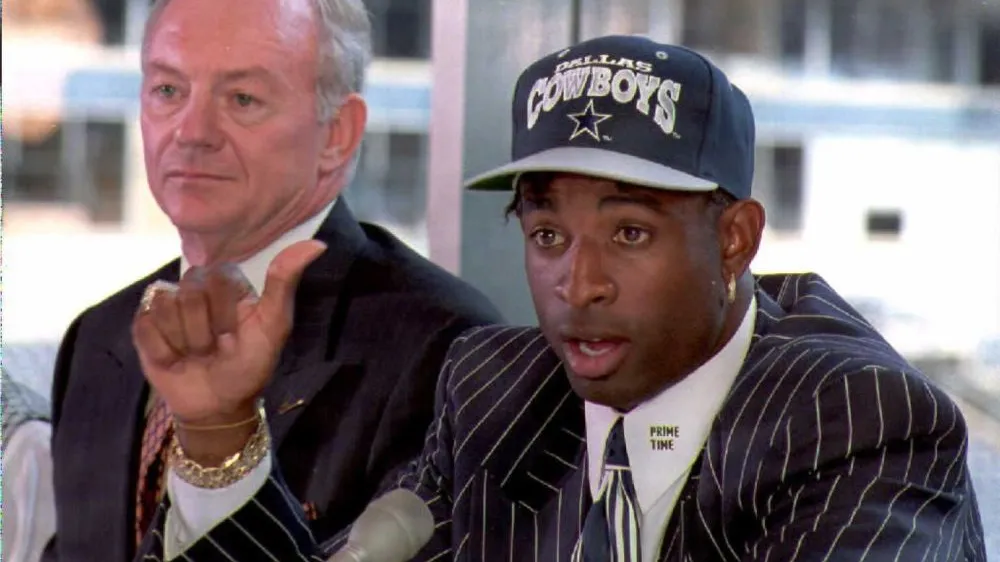
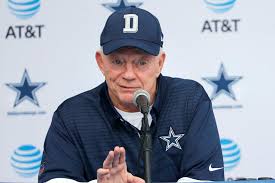
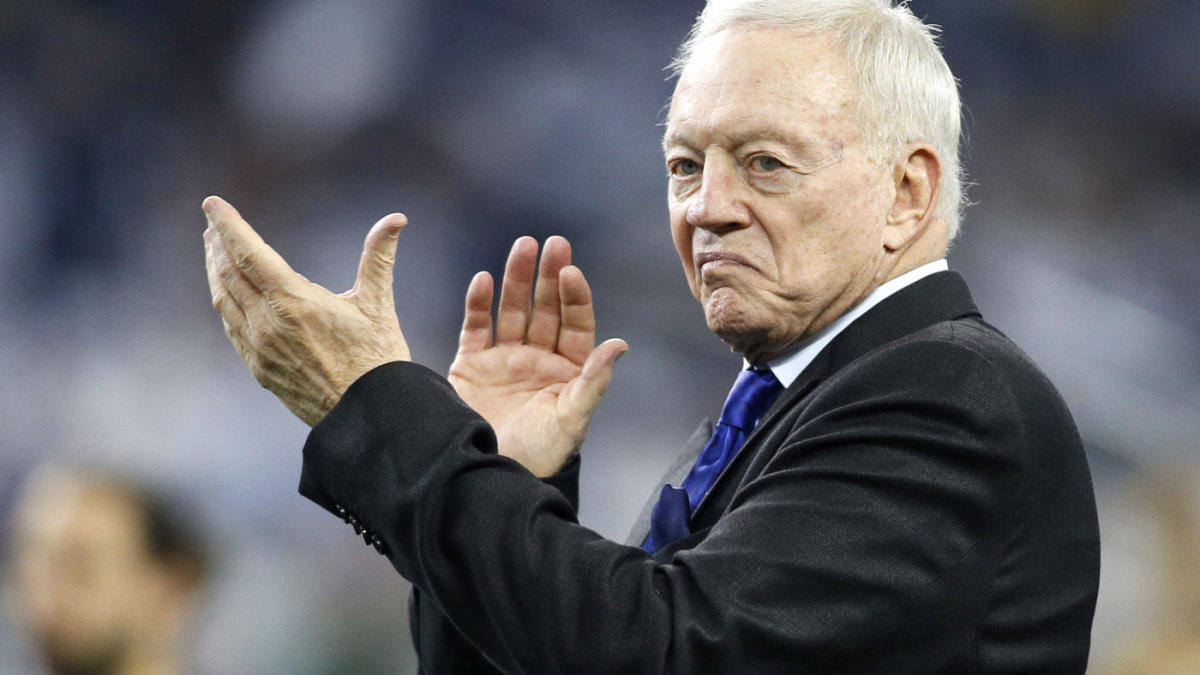
“1995 was the happiest year of my life. It made me want more. I got a taste of other things.” ~Jerry Wayne looking forward after the Cowboys’ third Super Bowl title in four years
Episode 6 of the Netflix docuseries about the ’90s era Dallas Cowboys begins with the free agent signing of Deion Sanders, ends with the Super Bowl XXX championship over the Steelers, and, in between, reminds us of just how improbable that whole thing really was. The head coach and the future Hall of Fame quarterback weren’t talking to each other, Norv Turner and Dave Wannstedt had taken head coaching jobs with the Redskins and Bears, Ernie Zampese and Dave Campo were doing most of the coaching, and Jerry was facing a $300 million lawsuit from the other NFL owners for breaking the revenue sharing agreements.
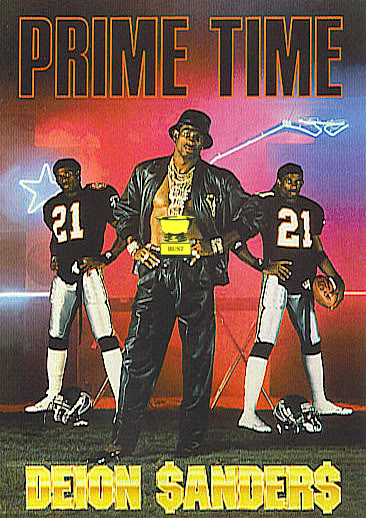
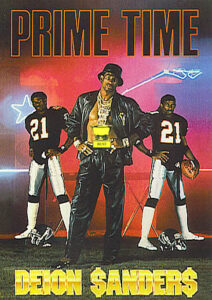 Prime Time – Jerry gave Deion Sanders a $35 million contract, including a record-breaking $13 million signing bonus, that made Sanders the highest paid defensive player in NFL history–he paid Deion more than he was paying Emmitt and Michael. Jerry claims that after suffering through the ’94 NFC title game in which Sanders completely shut down half the field, he realized he had to have him to get the Cowboys back to the Super Bowl. I believe it had much more to do with Deion’s over-the-top Prime Time persona. At the time, Deion was the most popular professional athlete in America, playing outfield in the major leagues, returning kicks and interceptions for touchdowns in the NFL, starring on his own hip-hop records and videos, and generally appearing in dozens of national ads for a variety of products and on every late night talk show on network and cable TV. Of course, that’s what Jerry wanted. The eyeballs, the attention, the interest. Jerry’s already told us what he believes is most important.
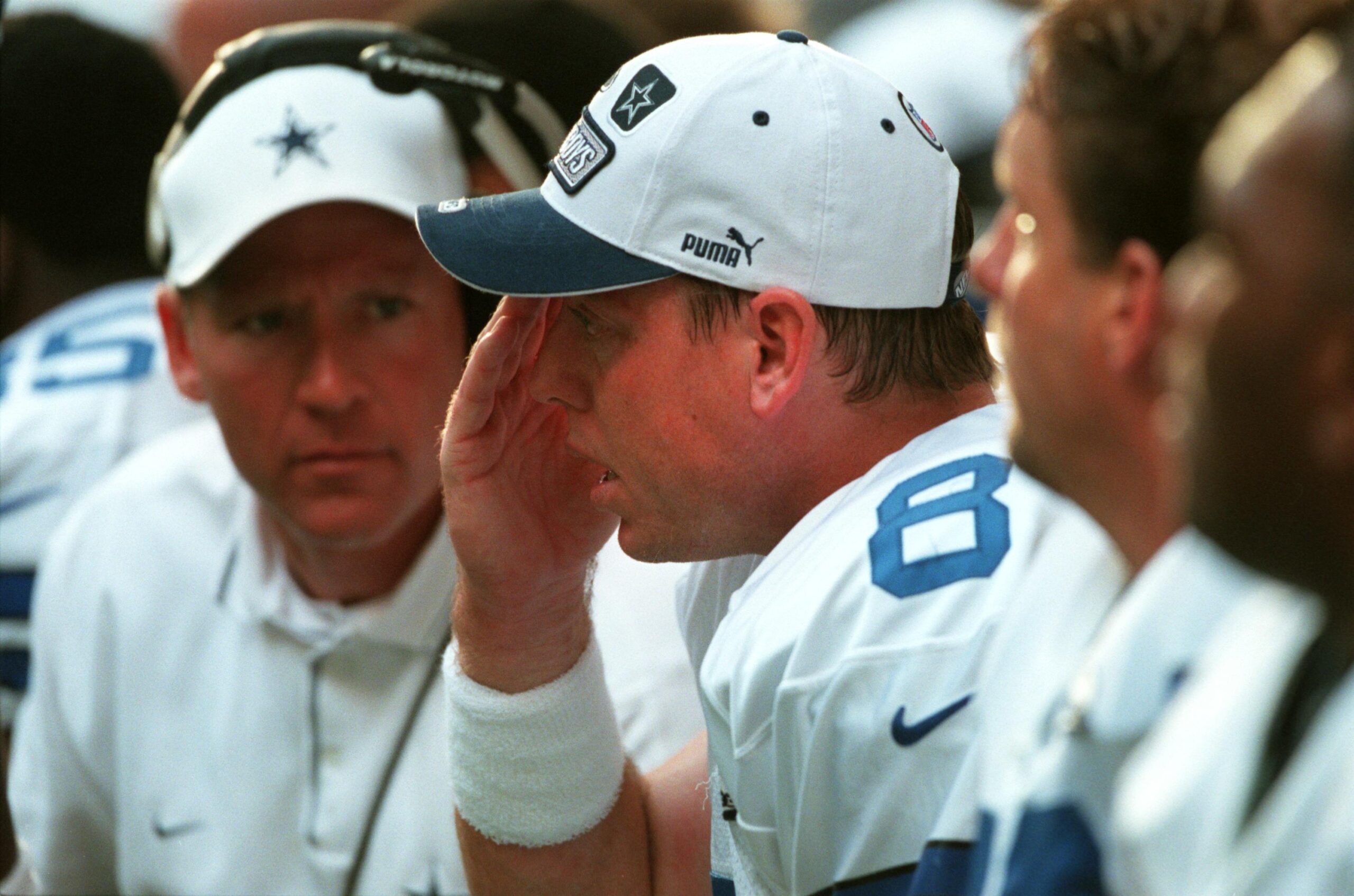
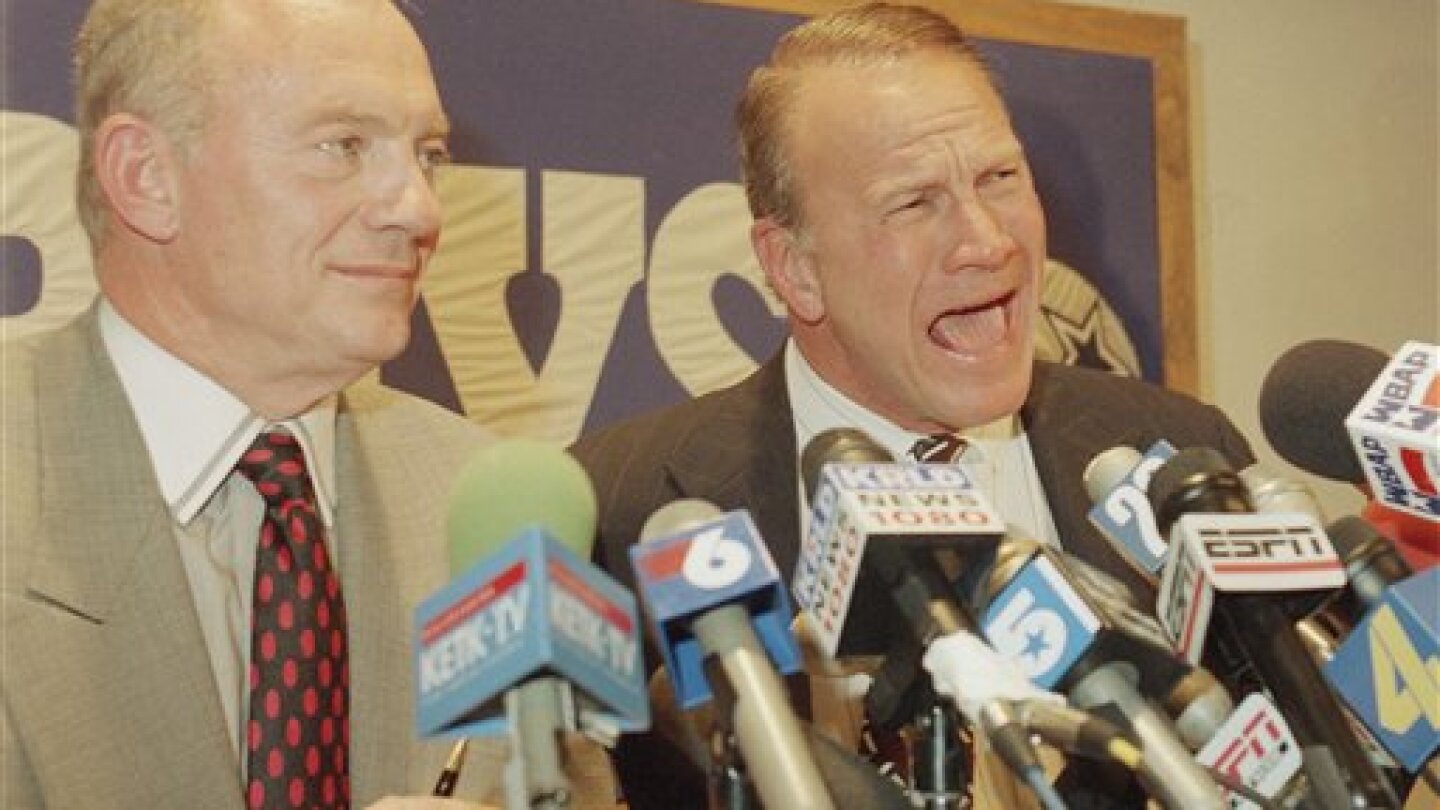
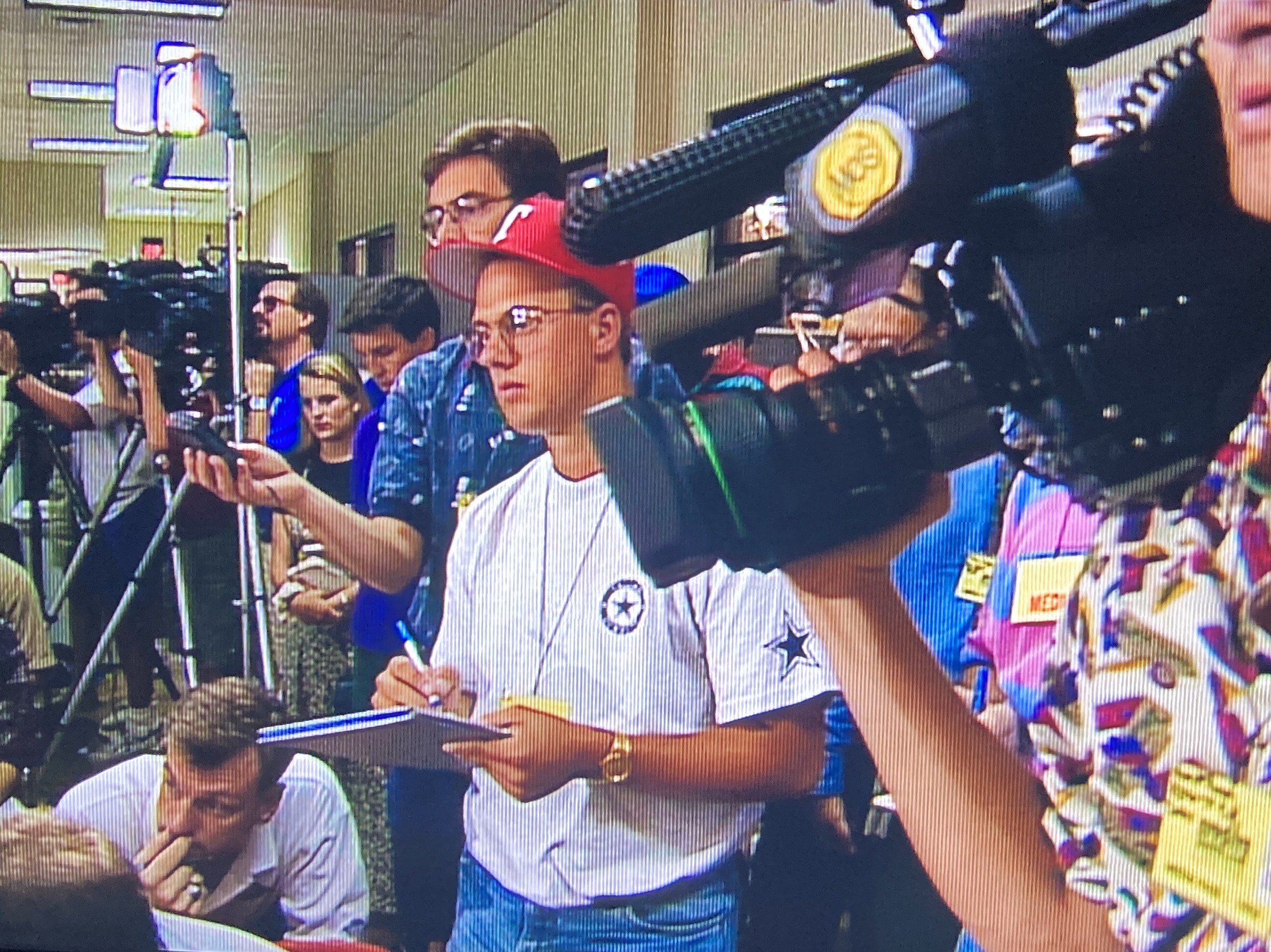
There is some great behind-the-scenes footage here of Deion meeting Jerry and Barry and the Triplets at Valley Ranch. The owner and the head coach are wearing suits and ties. Troy and Michael and Emmitt look like they just got through working out. But they’re all thrilled to see Deion in the building. Making small talk while sitting across from Deion in a coach’s office, Troy Aikman says, “Somebody asked me if Deion is a good receiver and I said, ‘I don’t know, I’ve never thrown him a ball.’ I guess that’s not totally true.”
I was struck by Deion’s insistence that his Prime Time personality was just a made-up, hyped-up, alter-ego he manufactured to sell sneakers and records. Yeah, I don’t know. Listening to Deion talking about himself now sounds just like Deion talking about himself back then.
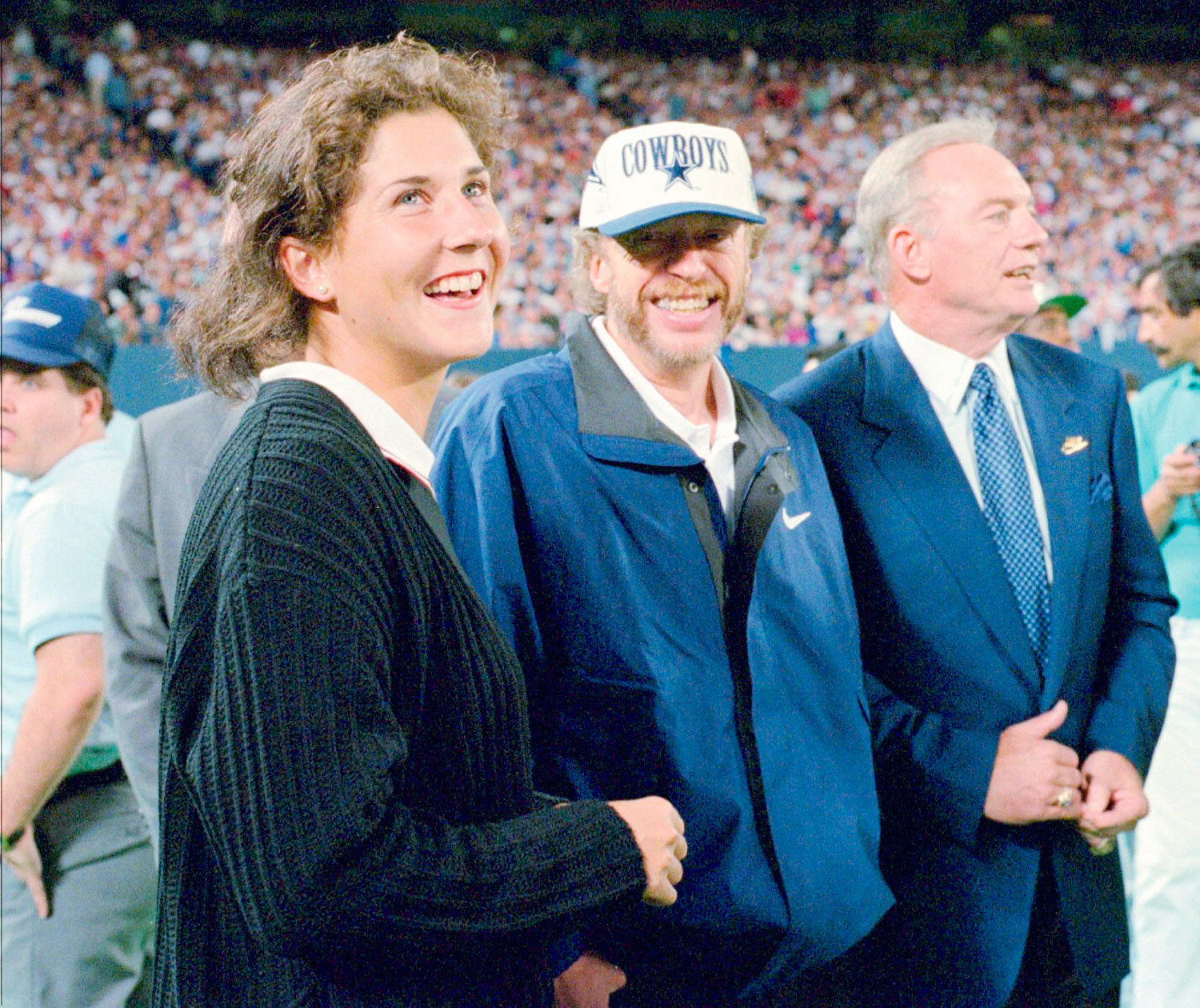
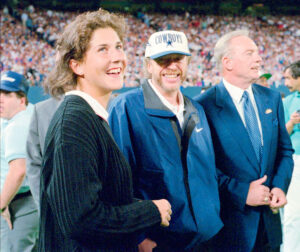 Lawsuits – At halftime of the Cowboys season-opening game on Monday Night Football at Giants Stadium, Jerry Jones and the Cowboys distributed a press release titled “Cowboys Owner Bucks NFL Again.” It was an in-your-face announcement that the Cowboys had secured a seven-year apparel and sponsorship deal with Nike. Twelve minutes later, as the third quarter began, Jerry and Nike Chairman Phil Knight walked out of the visitors’ tunnel together, across the corner of the end zone, and over to the Cowboys bench. Knight was wearing a blue Dallas Cowboys cap; Jerry was wearing a gold Nike Swoosh on his jacket. It was classic Jerry Wayne showmanship. And classic Jerry putting his money-making sideshows ahead of his football team.
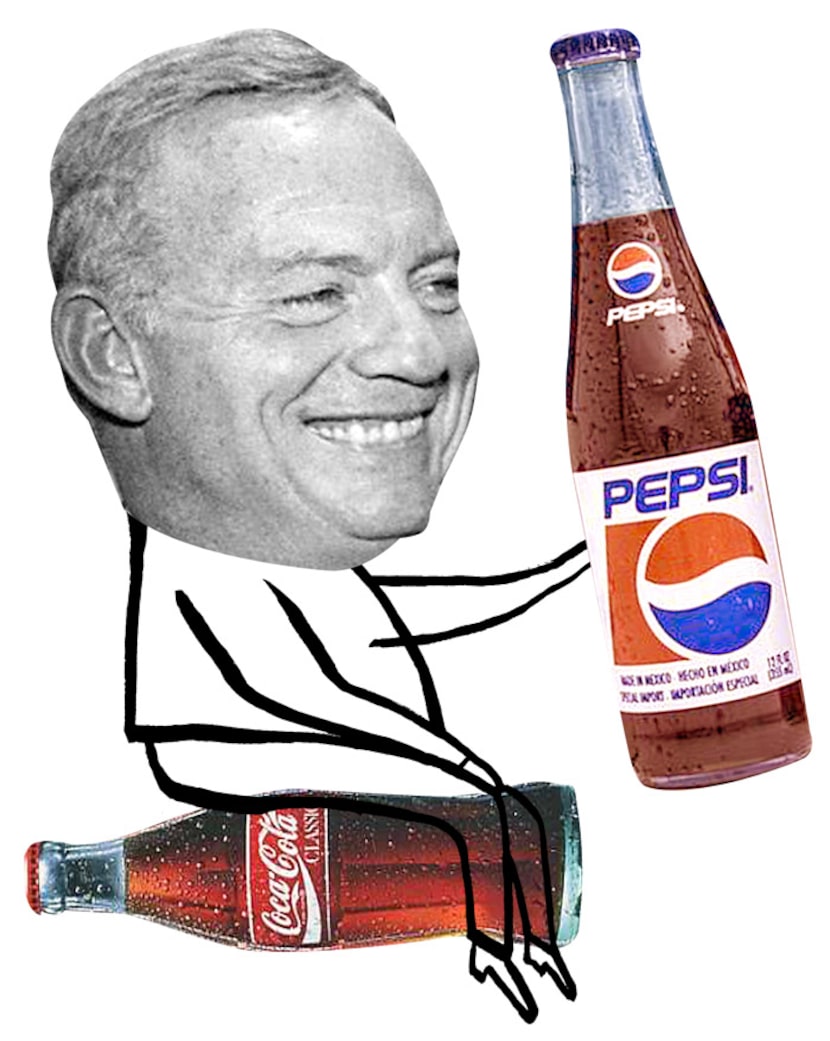
The controversy is that, at the time, the NFL controlled all merchandise sales for the 30 teams and forbid the individual teams from making their own deals. If the NFL had a deal with Coke, nobody could make deals with Pepsi or Dr Pepper. If Budweiser was the official beer of the NFL, no team could cut a deal with Coors or Michelob. That’s just the way they had done business for 75 years. The Cowboys, coming off two Super Bowl championships and three straight NFC title games, were selling one-fourth of all NFL merchandise, but they only received 1/30th of the profits. All the teams shared the revenue equally. And Jerry found his loophole.
 The NFL had deals with Reebok and Apex. So Jerry made Nike the official gear of Texas Stadium. Not the team. The stadium. The NFL had a contract with Coke. Jerry made Pepsi the official soft drink of Texas Stadium. Visa had a deal with the NFL. American Express made a deal with Texas Stadium.
The other 29 owners were livid. Jerry was destroying the whole structure. He was doing his own thing, creating revenue streams the other owners couldn’t–or hadn’t–and probably creating a competitive imbalance. Did Jerry give Deion that outrageous $13 million signing bonus or did it come from Phil Knight? Those first salary cap years of 1994 and 1995 allowed teams to circumvent the hard max with signing bonuses. Jerry “personally paid players,” he says, more than $45 million in bonuses in 1995. Did that money come from Nike and Pepsi and American Express through these rogue deals?
The other owners couldn’t handle it, so they sued Jerry for $300 million for violating the NFL’s revenue sharing agreements. Jerry countered with a $750 million anti-trust suit against the NFL.
Eventually, sometime in the summer after the Cowboys Super Bowl win, the two sides settled the suits and the NFL began allowing its teams to market and sell their own merchandise for their own profits. Jerry had completely restructured the way the NFL made money, by negotiating with FOX on his own and forcing TV to pay millions more in broadcast rights and by signing his own exclusive sponsorship deals for his team. Today, the NFL clubs are worth an average of $5.6 billion (with a B) and clearing almost $200 million per year.
They put Jerry in the Pro Football Hall of Fame for this.
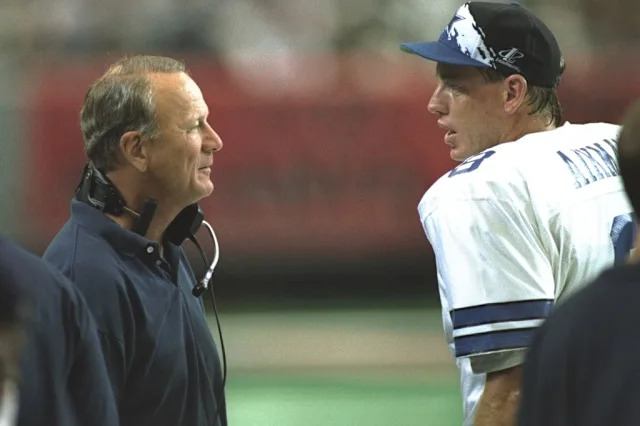
Final Nail – In Week 5 at Washington, wide receiver Kevin Williams dropped a couple of passes, ran some bad routes, and suffered a crucial fumble in what was the Cowboys’ first loss of that ’95 season. And Troy Aikman let him have it. On the field, on the sidelines–Troy was just about the only one on the team holding folks accountable. The next day, Barry summoned his quarterback to his office and told him that some players were noticing that Troy only yelled at their Black teammates. Aikman was hard on the Black players and never got on to any White players. He wanted Troy to apologize to the team. Troy called it ridiculous. Barry wouldn’t back down. Troy calls that “the final nail that severed our relationship.”
They didn’t talk to each other the rest of the season. Three months. There’s footage of Troy and Barry openly ignoring each other and avoiding each other during games. During Super Bowl week, somebody leaked the “racism” story to the press and Barry refused to bury it. He didn’t have Troy’s back. All the Cowboys players defended Troy, to a man, without exception. But not Barry.
Switzer expresses some regret now that their relationship was so awful. Troy does not.
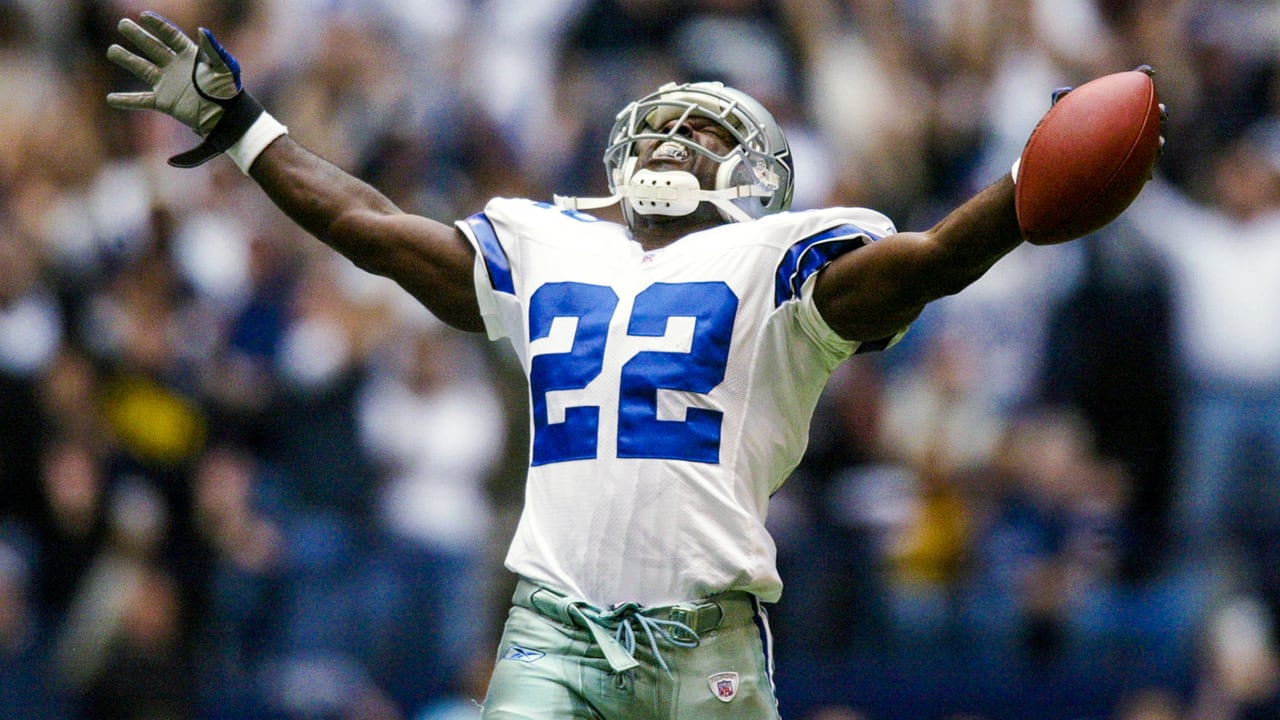
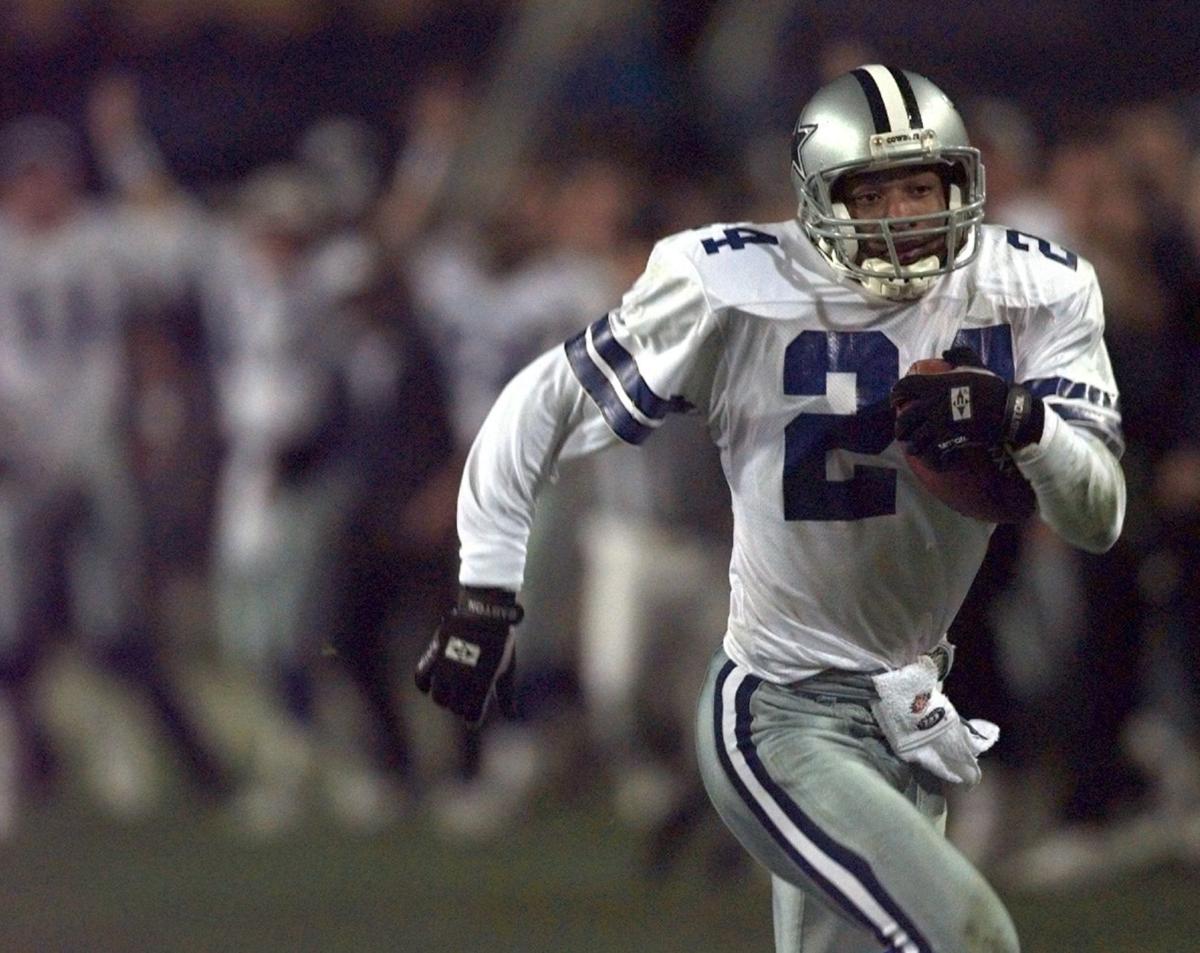
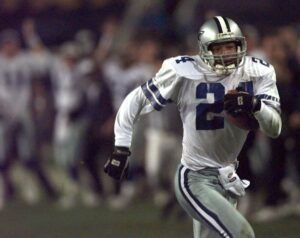 Larry Brown – The Cowboys probably don’t win that third Super Bowl in four years if Steelers quarterback Neil O’Donnell doesn’t throw two second-half interceptions directly to Cowboys cornerback Larry Brown. Dallas was clinging to a slim three-point lead with four minutes to play and Pittsburgh was moving the ball. They had all the momentum. The Cowboys were on their heels. And O’Donnell threw a pass into the flat that hit TCU’s Brown right in the gut. Brown ran it back 33 yards to the Steelers six-yard-line. Emmitt Smith ran it in from there and it was over. Brown had run a 3rd quarter interception 44 yards to the Steeelers 18 yard line, which led to another Cowboys touchdown.
Troy says that winning the second Super Bowl in ’93 was “relief.” The ’95 Super Bowl victory, he says, was “exasperation.”
During the trophy presentation, Barry repeats his obnoxious “We did it, baby!” Over and over. Gag. Michael Irvin grabs the microphone and tells the stadium crowd and the millions of fans watching on TV, with unparalleled intensity and colorful language, that it’s time to give Barry his due, that Switzer is a great coach, and he deserves all the credit for the championship. Michael steps to the side to reveal Troy giving a half-grin and a side-eye / eye-roll at the ridiculousness of it all.
 Other Things – It’s surreal to think back to that February Sunday in 1996 when the Cowboys completed their third Super Bowl championship in four years in light of what has transpired since. Imagine what we would have thought if someone had told us that Dallas would not so much as even win a divisional playoff game for the next 29 years. And counting! If you had told me that every team in the NFC will get to at least one conference championship game before the Cowboys reach it again, that the 49ers and Packers will go to eight title games and three Super Bowls each, that the Eagles will appear in nine conference games and four Super Bowls, before the Cowboys win another division playoff game, I would have thought the team will be sold about six times and they’ll go through at least a dozen GMs. That would be a complete disaster. Why, the Cowboys have never gone more than six years in franchise history without appearing in a conference championship. How will they possibly go 29 seasons? And counting! I would think the team will be in the red and losing money every day, the stadium must be half empty, there must not be any sponsorship deals, no fans, nobody’s buying Cowboys jerseys, they’ll become the Browns or the Lions.
In the last minute or two of episode 6, Jerry calls 1995 the “happiest year of my life.” And he says it made him want more. It gave him “a taste of other things.”
Other ways to make more money. Other things to increase eyeballs, attention, and interest. Not football things. Not winning championships.
“Other things.”
Peace,
Allan
Recent Comments