Page 454 of 493

Jumping Off The Line

Issues.

Why are we defined by the issues?

Why do we label churches and each other according to the issues?

Why do our language and our attitudes and our thought processes center on the issues?

Why have issues become the heart of Christian leadership?

It seems that in the Church—and it’s been this way for a long, long time—we judge you and your spirituality and your doctrinal soundness on how you feel about this buzz word or how you think about that catch phrase regarding the issues. Or sometimes whether you use those pet words or phrases at all. If I’m having a casual conversation with you and you use the word “brethren” or “missional,” I’m going to label you as being somewhere on an imaginary line between liberal and conservative, between progressive and traditional. And I’m going to assume you’re heading in one direction or the other. If you declare an affection for the King James Version or express a fondness for a “praise team,” I’m going to know everything about your theology and your relationship with God and his Church based on this line between conservative and liberal, between one extreme and the other. I judge your congregation based on whether you do Small Groups or whether you assemble together at the building on Sunday nights. Or whether you meet on Sunday nights at all. When we think along this line between Point A and Point B, there becomes a big difference between a brother or sister who enjoys singing There’s A Stirring and one who prefers A Mighty Fortress. It’s become so ingrained and so absurd in the way we do church business that we draw a hard distinction between a female children’s minister and a female children’s coordinator.

These buzz words and catch phrases are now conversation-enders. If you use one in a discussion you and I are having, our conversation ends. We may still be talking to each other, but I’ve already heard enough to label you. I know exactly where you are and where you’re going based on your use of that word. I know your agenda. So you may still be moving your mouth, but I’m not listening. I already know.

This kind of thinking along the A-B Line and our reactions to the prevailing A-B Line culture in our churches have led to much mistrust and suspicion. This kind of thinking stifles true communication and growth. And it leads to churches being guided by outside forces and church leaders making decisions based on fears.

What would happen if we jumped off the A-B Line?

What if we totally changed the spectrum? What if we adopted a different vision? What if we did things in an alternative way?

What if every conversation in the church and every decision made by church leaders was based purely on the topic at hand on its own merits? What if, instead of being guided by what such-and-such congregation is doing down the road or what so-and-so across town might think, we did things that were best for Legacy and best for the lost of Tarrant County?

What if we found ourselves in a church culture in which a brother could wear a suit and a tie and still read The Message? What if a sister raised her hands while singing Standing On The Promises? What if a group of church leaders decided a praise team isn’t right but it is good for women to pass trays during communion? Can a person clap during worship and still use the small letter “c” in the word “church”?

See how those above scenarios go totally against the A-B Line thinking?

Thinking on that line causes us to believe that the issues or the practices all go along some kind of predetermined order. If a church uses a praise team, it’s only a matter of time before women are preaching from the pulpit. If a church still uses songbooks, it’s obvious they’re going to eventually tear down the kitchen and pull their support from the orphans home.

The alternative is to do what’s best for Legacy according to our understanding of the Scriptures, not according to what somebody might say or think. Or write. It’s to judge each issue and each practice solely on its own merit. It’s to never assume that anybody’s sliding toward or away from anything other than toward God and his will and away from Satan and his. It’s pro-active instead of reactive. It’s being guided by Christ Jesus and his Word, not by outside forces. It’s not a compromised position, it’s a responsible position. It’s not content with trying to stay in the middle (a futile exercise if there ever was one), it’s doing everything possible to be out front.

It requires strong and dedicated leadership, no doubt. And it’s only accomplished with mutual love and trust.

What would happen if we jumped off that line?

Peace,

Allan

Back In The Saddle

Now, where were we?

WordOfGodI can’t say enough about the Sermon Seminar at Austin Grad. Sitting at the feet of great preachers and great teachers of preachers is refreshing and rejuvenating and a lot of hard work. Dwight Robarts, the preacher at the Skillman Church in Dallas took us through the wonderful book of Hebrews and showed us how to remind our congregations to keep the main things as the main things. Rick Marrs from Pepperdine guided us through Genesis 12-50 and revealed to us some provocative themes and concepts found in the stories of Abraham and Joseph. Austin Grad’s own Jeff Peterson walked us through a study of Galatians and drew rich comparisons between us and the Church in Galatia. And Mark Hamilton, from ACU, presented the grace and the will of God as it’s discovered in Amos.

The study and the learning and the insights and information is overwhelming. But when I attend the Sermon Seminar, I also come away with a great sense of belonging. I’m not the only one. We’re not the only ones. There are preachers of the Word, proclaimers of the Gospel, all doing the very best we can from D.C. to California, from Florida to Michigan, and everywhere in between. We’re all motivated by the same call of our God and we’re all driven by the same will to preach salvation through Christ and to equip people to better serve God and their fellow man. We’re also frustrated by the same things and disappointed by the same things. And it’s just so great to be with each other for those four days. What a blessing.

I began my 25-minute presentation to these preachers on Things I’ve Learned After One Year Of Preaching this way:

“I’ve learned that there are people in the church who love me and people who don’t. There are people there who support me and people who don’t. There are people who want me to succeed and people who don’t.

But, enough about my elders….!”

OK. OK. It was good for a cheap laugh. In fact, everybody laughed. I got exactly the response I wanted. The truth is, I can’t imagine working with a better group of church leaders than the elders who serve at Legacy. They’re open with each other and the church family, they’re honest about their own strengths and weaknesses, they’re committed to our Lord and his people, and they carefully and prayerfully consider everything that comes to them.

I spoke about learning to expect the unexpected and used stories from my first year to illustrate it. My first baptism at Legacy wound up with my baptisee sprawled out on the wet baptistry floor with a twisted knee. My first wedding was for a couple who already had a combined 120 years of marriage between them. One of the first couples to place membership after I arrived told me a joke about exorcism during the invitation song.

But then I talked about the Baileys and the Browns.

My first sermon as the full-time preacher at Legacy was going to be perfect. It was going to be inspirational. So much energy. So much enthusiasm. So much excitement. I’d been planning it and praying about it and working to perfect it for two years. People were going to write poems and sing songs about this sermon.

And then the Baileys and the Browns suffered that tragedy on Memorial Day that no parent, grandparent, uncle, aunt, brother, sister, or cousin should have to endure. And instead of planning the perfect sermon, I wound up at Parkland Hospital in Dallas that Thursday praying with our church’s most beloved family as they planned a funeral for one child and begged God to heal another.

And that very first Sunday at Legacy was not about me. It had nothing to do with me. The new preacher that had finally arrived was the last thing on anybody’s mind. Everybody was thinking about John and Rose and J and Laurie and all the kids who weren’t there. I was powerless. Helpless. I was an intruder.

And I didn’t expect any of that.

But, through those events, God has worked in their lives and in my life and in the life of the Legacy family to make us stronger and closer to him and to each other.

The other thing I talked about was that God uses wholly inadequate people (me) to do holy amazing things.

People I don’t know very well, people I’ve barely met, will talk to me about their innermost fears and anxieties, their sins and struggles with faith and hope. We’ll cry together. We’ll pray together. They tell me things they wouldn’t tell their dearest friends. Because I’m their preacher. I represent God and the Word of God to these people. To the church, I represent a deeper relationship with God. I’m expected to give them spiritual direction and comfort and hope straight from the Lord.

And when I’m finished with these conversations, I feel so small and insignificant. I feel like I haven’t helped at all. I haven’t said anything they couldn’t have heard from almost anyone else. I look at my own selfishness and sin and inclinations to evil. I look at all the things I don’t know and don’t understand about my God and his ways and his will. And he still uses me. And that completely blows me away.

I’m so burdened sometimes by the things I know I’m supposed to say. I’m so relieved when they come out right. So discouraged when they don’t. The calling is so demanding and so satisfying. It’s the hardest work I’ve ever done and the most rewarding. It’s so right for me in that I feel capeable of study and public speaking. So wrong in that I’m so selfish and sinful and weak.

It’s so up and down. It’s so exhilerating and terrifying. All at the same time. All the time.

But the grace for me—the thing I’ve learned—is that it’s not me. It’s God in me. It’s God through me. It’s God for me. And that’s where I get my courage and my confidence.

Dietrich Bonhoeffer: “I expect naught from myself, everything from the work of Christ. My service has its objectivity in that expectation and by it I am freed from all anxiety about my insufficiency and failure.”

~~~~~~~~~~~~~~~~~~~~~~~~~~~~~~~~~~~~~~~~~~~~~~~~~~~~~~~~~~~~~~~~~~~~~~~~~~~~~~~~~~~~~~
IndianaJonesI got home at 2:45 Thursday afternoon. Carrie-Anne and I got reacquainted briefly and then sped out to pick up the girls to take in Indiana Jones and the Kingdom of the Crystal Skull.

I won’t ruin the movie for you. I’ll talk about the plot and the ending of a movie from 1963 in the pulpit and get accused of ruining it for somebody. So I won’t do that here. Let’s just say that the characters in the movie are not developed at all. The dialogue is much less clever and much less comfortable than what we’ve come to expect from Spielberg and Lucas. A lot of the adventure and chase scenes were ripoffs from the previous flicks. And there weren’t any surprises.

It’s almost like they knew they could throw almost anything together with these names and characters and plot lines and make a ton of money off ticket prices, product placement, and merchandising without even trying. And they did. And they are.

But it’s still Indiana Jones. And we still eat it up at Stanglin Manor.

~~~~~~~~~~~~~~~~~~~~~~~~~~~~~~~~~~~~~~~~~~~~~~~~~~~~~~~~~~~~~~~~~~~~~~~~~~~~~~~~~~~~~~

Whit&ShelbySingingWe got together Sunday night at Chisholm Park in Hurst with all the members of the three Small Groups that formed from our original Small Group that first started meeting in January. There were almost 50 of us. Matt & Rechelle cooked the fajitas. We sang and prayed in the big pavilion. And the kids played together all afternoon. We plan to do this probably once a quarter as our groups keep growing bigger and bigger and multiply into even more groups. May our Father continue to bless us with more people and more opportunities to grow and to serve and to share with our Christian brothers and sisters.

Kids Luke Matt&Manuel  Valerie&Sofia  WorshipInThePark

Peace,

Allan

Back To School

I’m well aware that David was of the tribe of Judah, not Benjamin as I said during both of yesterday morning’s sermons. I’m aware. Jonathan was of Benjamin, not David. I know.

~~~~~~~~~~~~~~~~~~~~~~~~~~~~~~~~~~~~~~~~~~~~~~~~~~~~~~~~~~~~~~~~

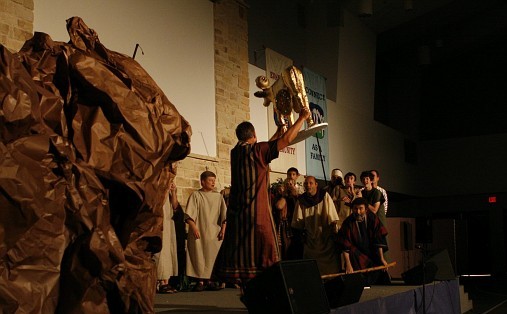
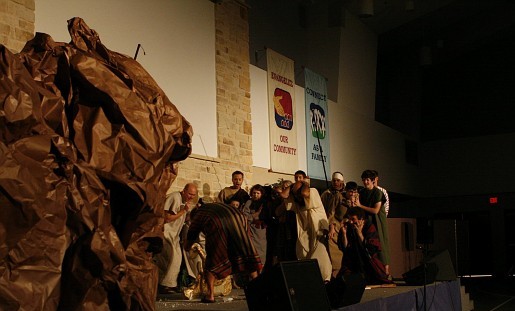
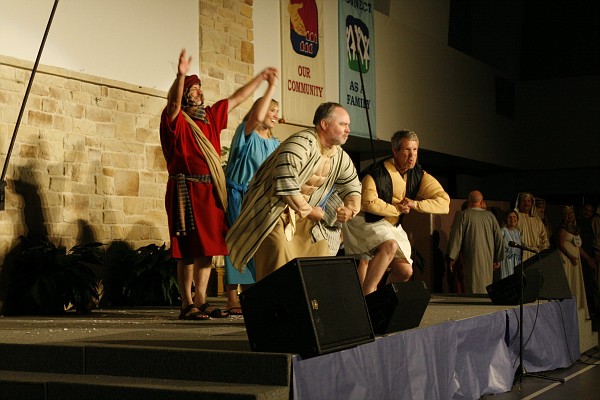
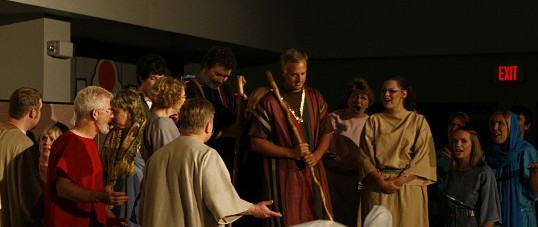
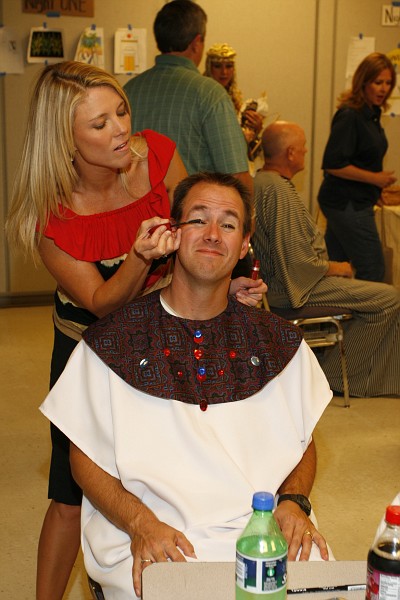
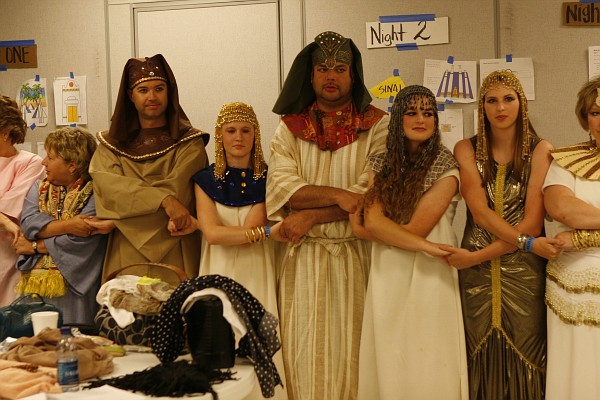
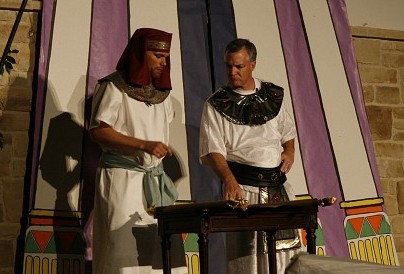
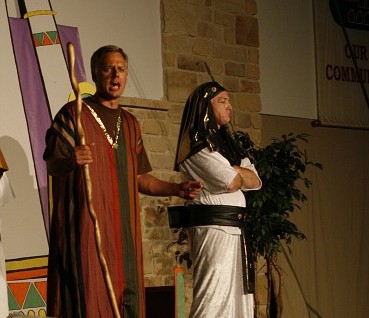
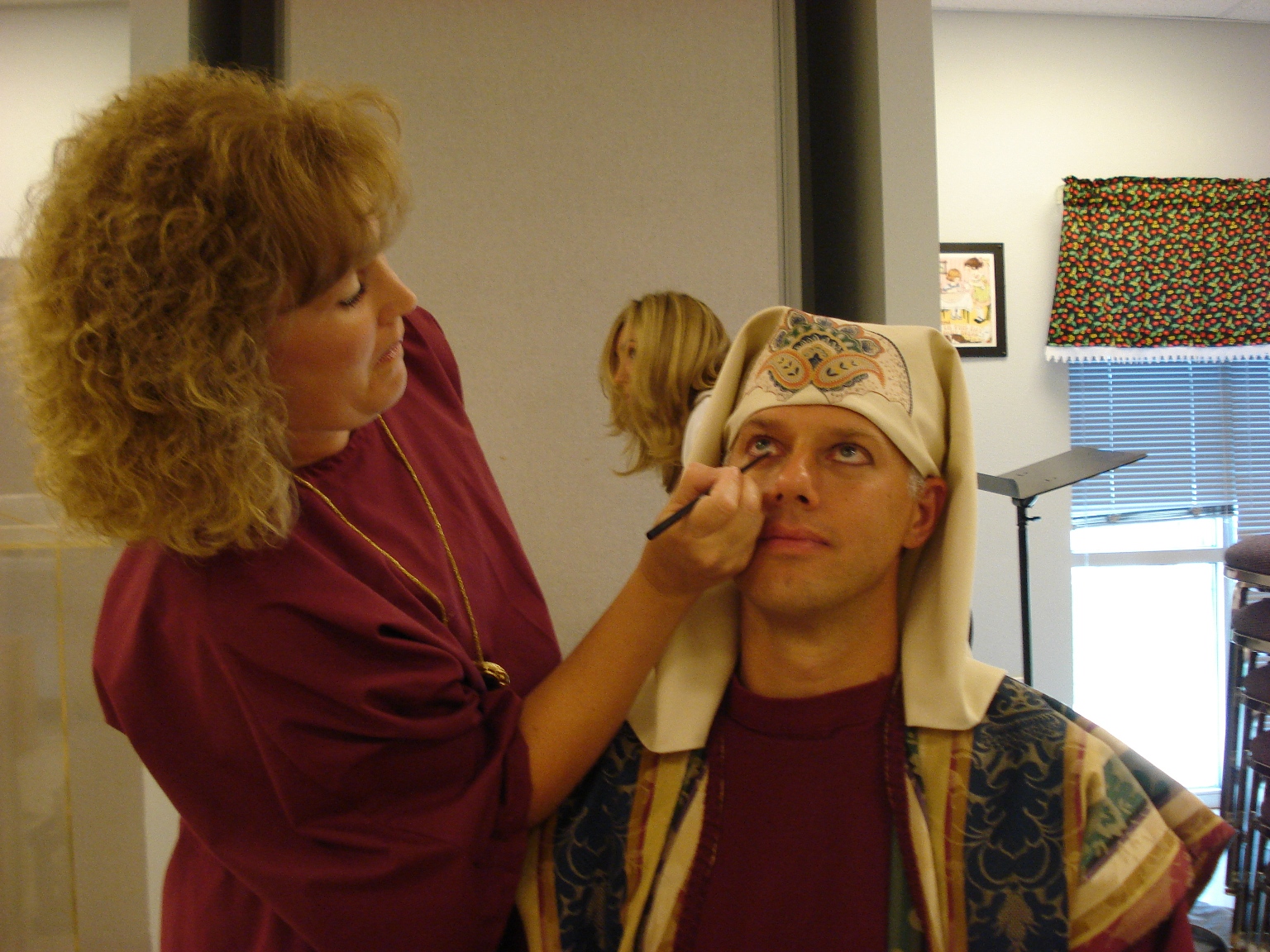
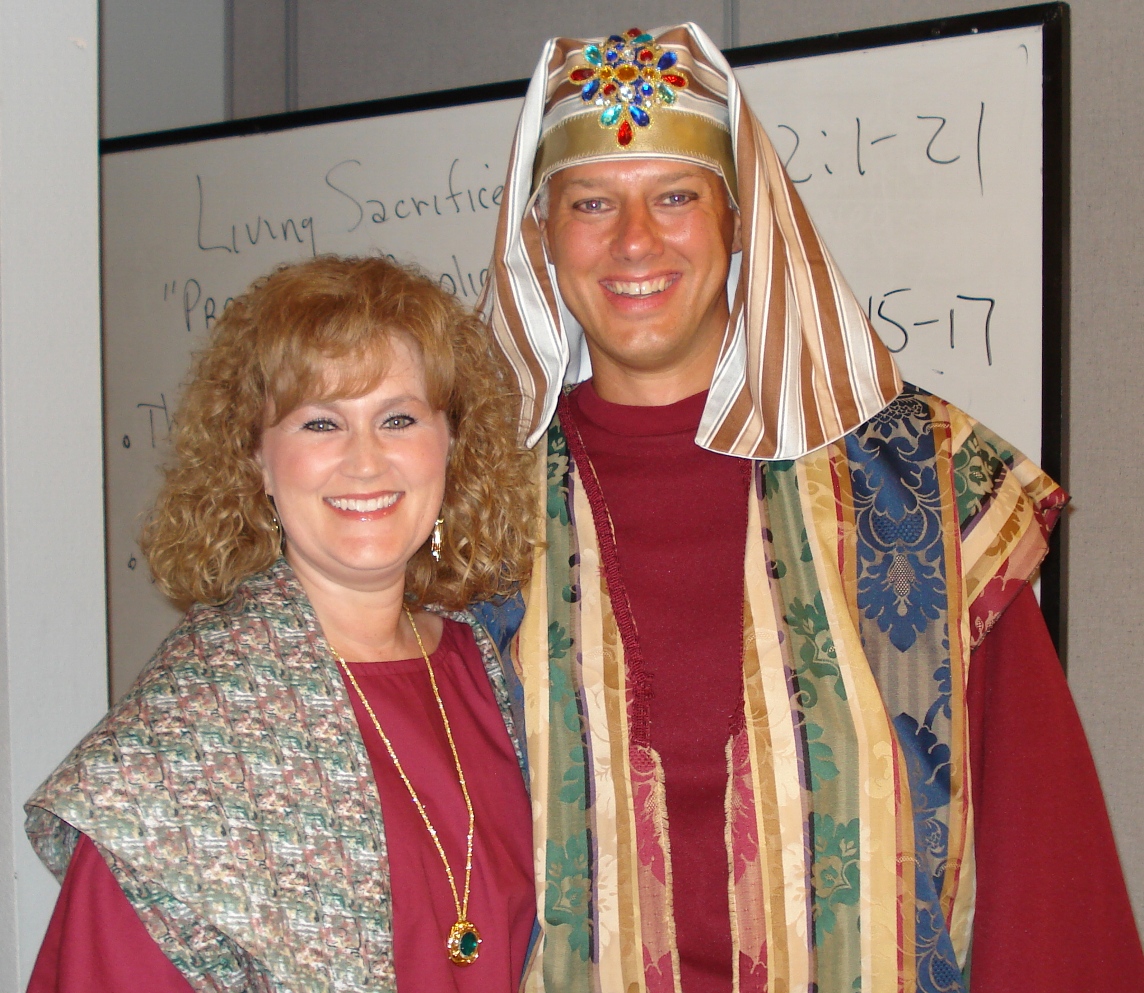
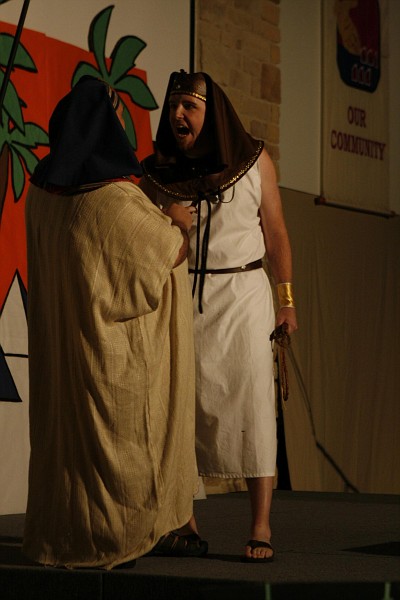
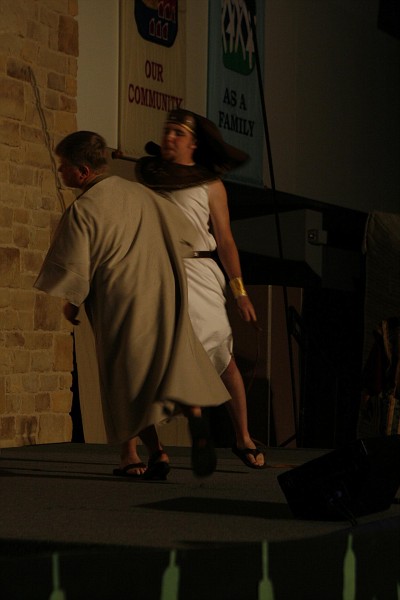
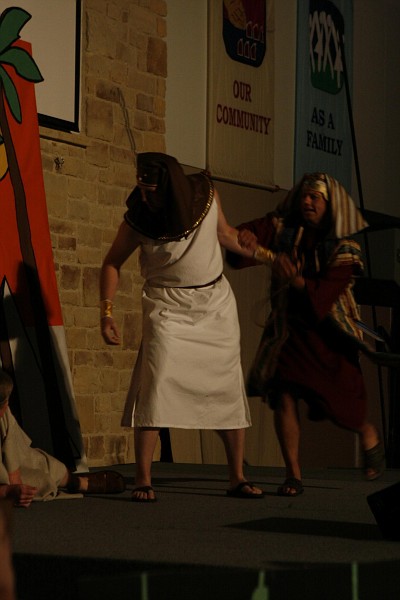
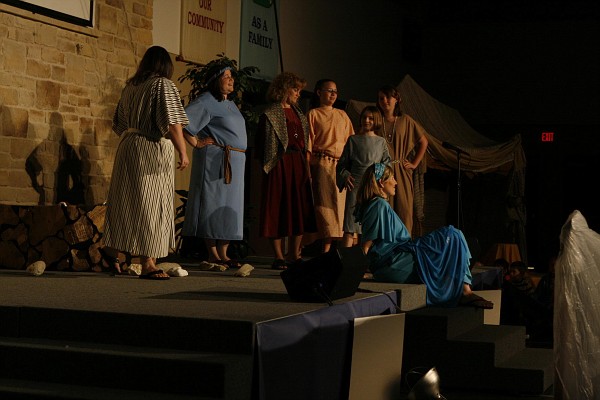
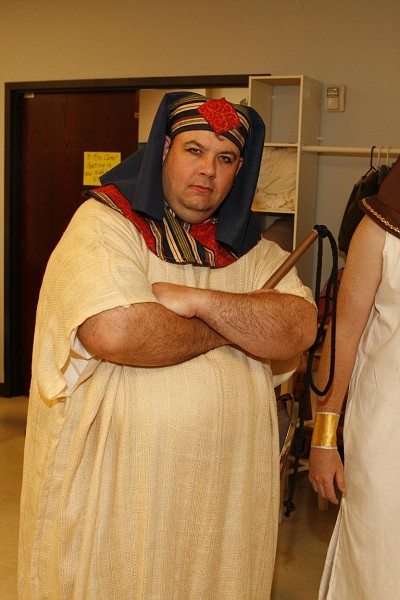
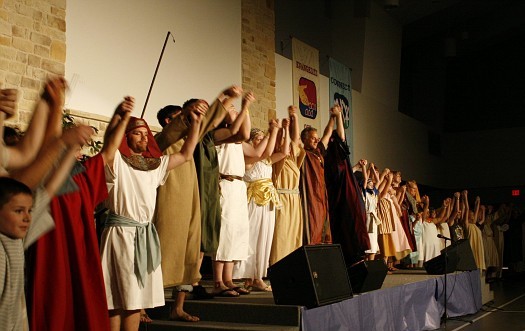
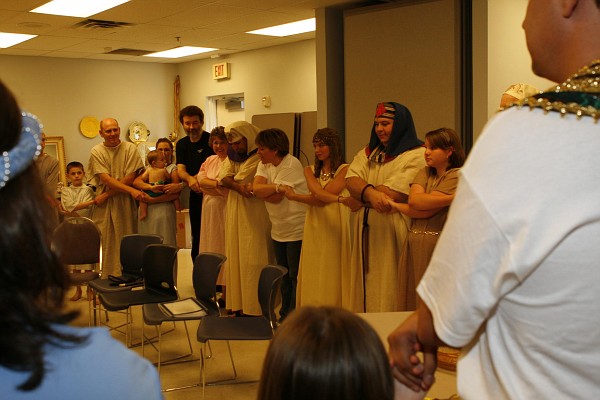
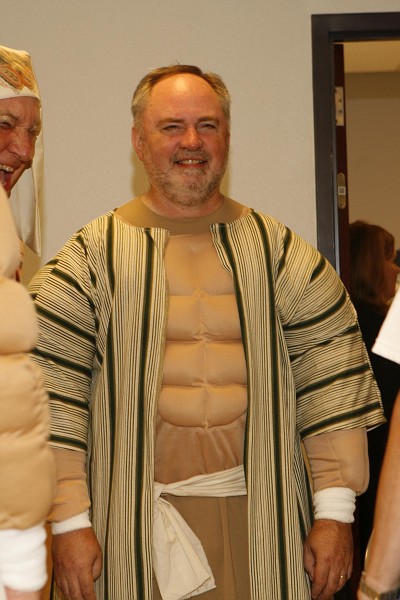
I’ve been chosen, somehow, to play the role of Moses in the upcoming VBS production of “Bound for Holy Ground” here at Legacy. Kipi is obviously desperate. Scraping the bottom of the barrel. I’m not sure how comfortable I am, as Legacy’s preacher, playing the character who led God’s people in circles around the wilderness for 40 years. And didn’t they all die and not make it into the Promised Land? Yeah, that’s weird. At least now, after watching this the first week of July, our church family will turn out in droves to audition for next year’s musical. I can’t imagine too many people out there who won’t say, after watching me, “I know I could do better than that!”

~~~~~~~~~~~~~~~~~~~~~~~~~~~~~~~~~~~~~~~~~~~~~~~~~~~~~~~~~~~~~~

I’m heading to Austin this afternoon for the 27th annual Austin Graduate School of Theology Sermon Seminar. Every year they bring in four or five of the best preachers and teachers of preachers in the country and we talk preaching for four days. These men take us through the Scriptures, chapter by chapter, and show us themes and words and give us insights and ideas. They outline sermons with us and explore other areas of study and related texts. And then they give us all their sermon manuscripts and notes.

This year Mark Hamilton will work with us on Amos, Rick Mars on Genesis 12-50, Dwight Robarts on Hebrews, and Jeff Peterson on Galatians. Eddie Sharp will also lead a couple of sessions on “The Flock and the Shepherds: They Smell Like Trouble.”

I go to the Tulsa Workshop and the ACU lectures to be inspired, to be revived and rejuvenated. I go to Austin to work. It’s pretty intense.

At last year’s Sermon Seminar, I was two weeks away from moving to North Richland Hills and beginning our full-time preaching ministry here at Legacy. Now, I’m two weeks away from celebrating my one-year anniversary. So Stan Reid has asked me to speak at one of the Tuesday afternoon sessions on “Some Things I’ve Learned About Preaching Since I Knew It All.” Stan wants me to speak for 20 minutes on things I’ve learned in my first year of preaching. And then take questions.

The first thing I learned is that I can’t do anything in 20 minutes.

My great friend, Jason Reeves, who preaches at the Grayston Church of Christ in East Texas, is going with me. It’s always good to share time with one of the Four Horsemen. I’ll get to see all my old Austin Grad buddies and professors. And then we’ll worship with the Marble Falls Church Wednesday evening. I’m really looking forward to a jam-packed and fruitful week.

~~~~~~~~~~~~~~~~~~~~~~~~~~~~~~~~~~~~~~~~~~~~~~~~~~~~~~~~~~~~~~~

But what do I do if our hotel doesn’t carry the Versus channel in our rooms? I haven’t called the hotel yet. I plan to do that later this morning. I can’t imagine anything keeping me from watching Game Six tonight. So there’s probably a 50-50 chance at least one of the preachers at the Sermon Seminar might be forced to visit one of the establishments on Austin’s Sixth Street tonight.

Peace,

Allan
Preacher AND Pastor

I want to be both.

Preaching is not pastoring. And pastoring is not preaching. Two different things. But a pastor can be a preacher. And a preacher can be (should be, must be, has to be) a pastor.

I want to be both.

John Frye comments on being both in a post earlier this week on The Jesus Creed:

“In my early years a lingering value still suggested that pastors shouldn’t get too close to people because the pastor might not be able to maintain his “objectivity.” All of this created a low church liturgy where the Sunday sermon was what mattered most. Preaching was the big thing in the service. Getting to know the Book was more important than getting to know God. Mistakenly in the minds of most, the one equaled the other. I became a theological technician, not a pastor. Put me in a white lab coat and I would have been mistaken for a social scientist. Then in the midst of modern American evangelical pastoring, I met Jesus the Pastor. He is the good pastor, the great pastor, the chief pastor (see John 10, Hebrews 13, and 1 Peter 5). Jesus undeniably cared deeply for people and got close to them. He even led a small group. The Apostle Paul said that he became like a nursing mother and caring father to his people (1 Thessalonians 2). This sounds like very close relationships to me. Jesus cared about little things, too, like a widow’s two mites, a fallen sparrow, a cup of water, a coin, five loaves and two fish. Jesus’ ministry didn’t turn on his synagogue exegetical sermons. He mixed it up with people outside the “church walls” at Matthew’s house, a Samaritan well, a roof top, a wedding, a garden, the lake shore, a Pharisee’s house, long dusty roads, and a graveyard.

Preaching is not pastoring. Preaching is part of the liturgy for the community of believers. Pastoring is about the individually named people who have individual stories, with their individual dreams and wounds, their particular gains and losses, their anxieties and hopes, their longings for and fears of God. Pastors live within God’s grand Story of salvation and help others see how their individual stories can get caught up into God’s Story. I like the image Eugene H. Peterson uses for pastors: pastors are detectives searching out the slightest evidence of God’s grace in peoples’ lives. I’ve learned that pastors are artists of the soul, not religious scientists.”

Caring about the little things. Ministry in the interruptions. Intercession and encouragement. Proclamation and submission. Teaching and reaching. Studying and hugging. Preacher AND Pastor.

I want to be both.

~~~~~~~~~~~~~~~~~~~~~~~~~~~~~~~~~~~~~~~~~~~~~~~~~~~~~~~~~~~~~~~~~~~~~~~~~~~~~~~~~~~~~~

MMMMWorldCheck out Mark’s comment there on the right side of this page, and up a bit, for three links to three video clips from It’s a Mad, Mad, Mad, Mad World. If you’re a fan of the movie, you’ll enjoy all three. If you just want to see Ethel Merman yelling and screaming and insulting everybody, the first link is best. She especially gives it to Jonathon Winters. If you want to view the original two-minute promotional trailer, that’s the second link. If you just want to see Ethel Merman slip and fall on the banana peel, that’s 1:31 into the third clip. Thanks, Mark.

~~~~~~~~~~~~~~~~~~~~~~~~~~~~~~~~~~~~~~~~~~~~~~~~~~~~~~~~~~~~~~~~~~~~~~~~~~~~~~~~~~~~~

I auditioned last night for Kipi and our VBS production of  “Bound for Holy Ground.” I read for the parts of Moses and an Egyptian taskmaster and a Hebrew slave. Since I won’t shave my head (I’m not willing to risk it-it may not come back), I know I won’t be playing Pharaoh. Other than that, we’re just all going to find out Sunday morning where Kipi’s placing us. I don’t think I’m compassionate or sympathetic enough to play Moses. Plus, I’m not sure he gets any funny lines.

~~~~~~~~~~~~~~~~~~~~~~~~~~~~~~~~~~~~~~~~~~~~~~~~~~~~~~~~~~~~~~~~~~~~~~~~~~~~~~~~~~~~~~

Fillerup

Peace,

Allan

Carry Each Other's Burdens

“Carry each other’s burdens, and in this way you will fulfill the law of Christ.” ~Galatians 6:2

CarryingCrossIt’s clear that the fourth Servant Song in the book of Isaiah (52:13-53:12) points forward to Christ Jesus. The passage carries the theme of the other three songs (42:1-9, 49:1-7, & 50:4-11) that the servant of God is chosen by God, equipped by God, and assigned by God to fulfill God’s mission of bringing salvation to the world. The servant belongs to God. He’s ordained by God to bring justice and salvation to God’s people. And all four songs express guarantees from God that God’s chosen way of the servant will not fail. It will succeed. God will make sure of it.

As children of God and as followers of the Christ, we are also the servant described in the four songs. We are also chosen by God, called and equipped and empowered and ordained by God to be his vehicle of bringing justice and salvation to a sin-broken world. And it’s easy to draw the comparisons and parallels in the first three songs. The identification of the servant is ambiguous. Generic. It’s simple to say and believe that we’re able to live into the servant of those first three passages.

But what about the fourth?

Most of us know a lot of the fourth song by memory. The words and the rhythms of the verses almost soothe us with their familiarity.

Despised and rejected by men. A man of sorrows and familiar with suffering. Surely he took up our infirmities and carried our sorrows. He was pierced for our transgressions. Crushed for our iniquities. He bore the sin of many.

So the servant bore our sufferings. It’s for our transgressions, for our iniquities, that he suffered. The servant suffered in our place. The servant serves God in serving the sinner by taking the sinner’s place, by doing for the sinner what the sinner can’t do for himself.

That’s Jesus, not me.

Yes. And No.

Yes, that’s Jesus. But as a child of God and a follower of his Son, it’s you, too. And it’s me.

Yes, the suffering and death of Jesus is definitive and complete. But there’s more. And the more has to do with our participation in that suffering and death. The cross at Calvary where all the Isaiah 53 imagery really comes into focus is unrepeatable. But cross-bearing is not.

The servant in Isaiah—and Jesus as the ideal servant—willingly gives up his rights, willfully gives up his life so that others might have life. As his followers, as his imitators, we’re called to walk down the same road. Isn’t that what we do when we offer our bodies as living sacrifices? Isn’t this what Paul meant in Galatians 6:2?

It’s much easier to tell people where to get relief from their burdens. It’s easier to point people to help, to write a check, to make a call, to drive somebody somewhere and drop them off. That way, we don’t become involved with them. There’s no pain. No risk. No chance of suffering.

But that’s not the way of the Isaiah servant. That’s not the way of our Lord. Jesus didn’t tell us where to take our burdens. He took them.

“To this you were called, because Christ suffered for you, leaving you an example, that you should follow in his steps.” ~1 Peter 2:21

~~~~~~~~~~~~~~~~~~~~~~~~~~~~~~~~~~~~~~~~~~~~~~~~~~~~~~~~~~~~~~~

Check out this 30-second video. It’s a quick little news story about a softball game last month between Western Oregon University and Central Washington State. I think it has meaning to this idea of bearing each other’s burdens. Even if it doesn’t relate perfectly, it’s a really cool story. Just click here to get the video. It’s on Jeff Christian’s blog from the Glenwood Church in Tyler.

~~~~~~~~~~~~~~~~~~~~~~~~~~~~~~~~~~~~~~~~~~~~~~~~~~~~~~~~~~~~~~~

RangersPlayoffLogoThe Rangers have won six series in a row. The last time that happened was in ’99. A playoff year. A Johnnie Oates year. Could it be…?

I think the Stars have a better chance of beating Detroit in four straight.

Peace,

Allan

Pastor or Cheerleader?

A couple of lines in a quick little interview with Eugene Peterson in World Magazine this month, brought to me last week by David Watson (thank you, brother), really have me thinking. Peterson’s not serving as the pastor of that big Presbyterian church in Baltimore anymore. He’s retired, sort of, living with his wife in a cabin on a mountain lake in Montana.

These two paragraphs right in the middle of the article intrigue me, especially as they relate to the current church culture in most metropolitan areas of the Bible belt, specifically in Dallas-Fort Worth, particularly here at Legacy.

“At his suburban church in Maryland, Peterson pastored people who ‘were rootless,’ lacking ‘generational continuity where they lived.’ So he spent a lot of time ‘thinking about, praying about how to make this a place where people feel relationally connected.’ Instead of offering non-stop activities, Peterson’s church had a ‘quiet order of worship’ that sought to draw people into the gospel story. When newcomers asked what activities his church offered, he’d speak of worship on Sunday, and ‘if you’d let me be your pastor I’d help you learn not to want so much activity.’

Peterson sympathizes with pastors who complain about the demands people make: ‘In this American culture they feel very competitive. Pastors feel that people want action.’ He challenges them: ‘Do you want to be their pastor or their cheerleader? It’s a desecration of the pastoral vocation to commodify it, to turn the church into a consumer place.'”

You already know, I cringe when I hear my own brothers and sisters judge our church family or judge other churches based on what new exciting program is offered, what new exciting technology is being used, and / or what new exciting worship element is being experienced. It’s even worse, much worse, when ministers and elders use that criteria to inform their pastoring and decision-making. In some cases, the spirituality of a body of believers is judged based on these programs, technologies, and worship practices.

More, more, more. Turn it up. Louder. Faster. Brighter. Bigger. Flashier. Fancier. What am I going to get out of this? Are my kids going to love it? Why should I come to your church? Why should I stay at your church? More. More. More.

We’ve just started again our quarterly “Legacy 101” class on Sunday mornings, a three-week course designed to introduce new members and visitors to our church family. This past Sunday I spent the entire 30-minutes talking about ministries at Legacy—not programs and classes to minister to them, but opportunities for them to serve and minister to others.

We held another training session last night for new Small Groups Co-Leaders and it gave us another chance to tell our leader-couples, “It’s not about you.” For our leaders, Small Groups is never about what they’re going to get out of it, what benefits they’re going to receive. It’s always about the ways they can serve and minister to the other half of our congregation who are not involved, not connected, not feeling like family here. We multiply to include more people. We multiply to serve and minister to more people.

And, for the most part, we all understand that. The new members of our church in that Legacy 101 session Sunday spoke much more about using their gifts and abilities to serve others than about what we can do for them. The new leaders of the multiplied groups talked much more last night about reaching out to their brothers and sisters in this church and to the lost of the community than they did about personal comfort levels and their own needs.

Peterson doesn’t cry out against activity. He cries out against activity for activity’s sake. Busyness. Entertainment. Diversion. He laments the kinds of things I hear increasingly more, not just from our church members but, from ministers and elders: we have to add this so more people will come, we have to add that so people won’t leave, we have to start doing this or begin offering that to keep everybody happy.

We have tons of activities at this place, something here almost every day and night. And I’d like to see us doing even more, but only when those activities are designed to equip and empower our people to serve and minister to others; when the focus is outward, not inward; when the emphasis is on you, not me.

~~~~~~~~~~~~~~~~~~~~~~~~~~~~~~~~~~~~~~~~~~~~~~~~~~~~~~~~~~~~~~~~~~~~~~~~~~~~~~~~~~~~~~

Jim Edgmon sent this to me. Enjoy.

4-28atthebank.bmp

Peace,

Allan
« Older posts Newer posts »