
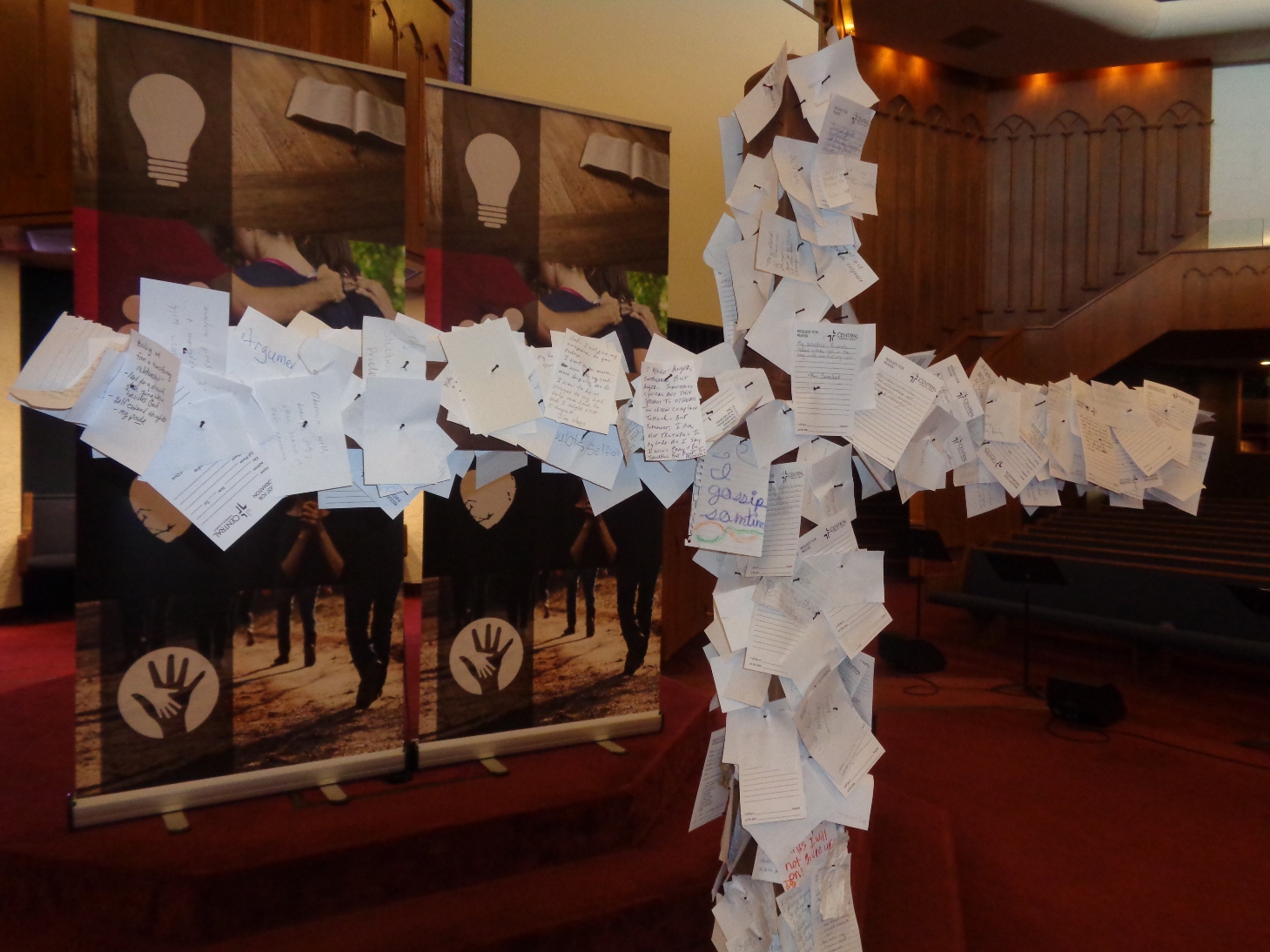
The first Sunday in January is a good time for a congregation of God’s people to renew our dedication to the Lord. It’s the perfect day to start over, to renew vows, to make fresh commitments. And in Scripture, a lot of the time, when God’s people seek renewed relationship with the Lord, they begin with corporate confession and repentance.
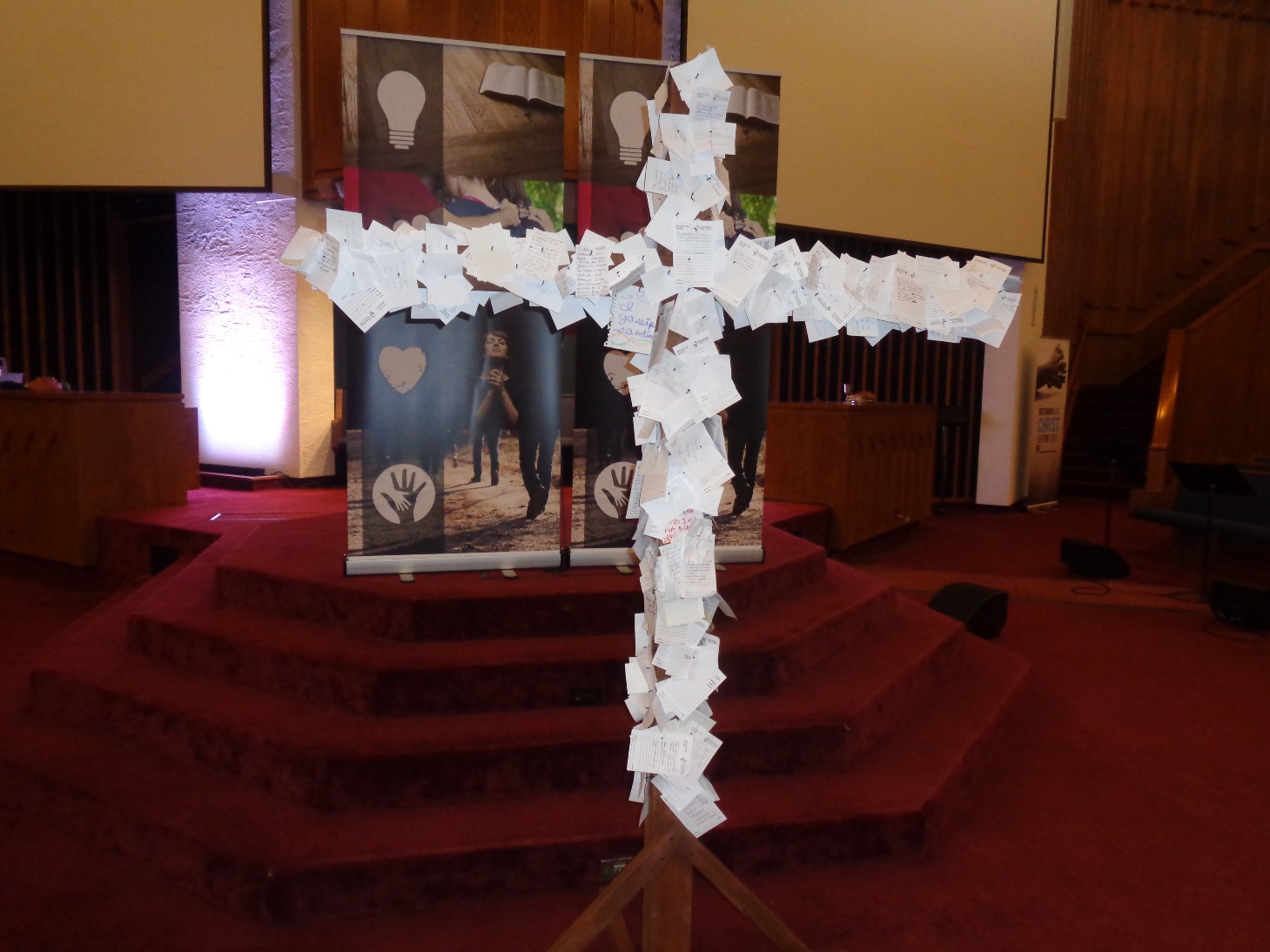
Using biblical texts from 1 Samuel 7, Ezra 9, and Daniel 9, we spent this past Sunday together at Central confessing our corporate sins as a 107-year-old body of believers. We talked about the sins of pride and racism, legalism and sexism, self-reliance and apathy, consumerism, materialism, sectarianism. We haven’t committed all these sins ourselves. Our leadership and our church today are not guilty of all those sins. But in the history of our congregation and in the history of Churches of Christ, we have all been guilty of all of it. Some of these sins we still commit. All of them still impact us to some degree. So, in the manner of God’s people as described in Scripture, we confessed.
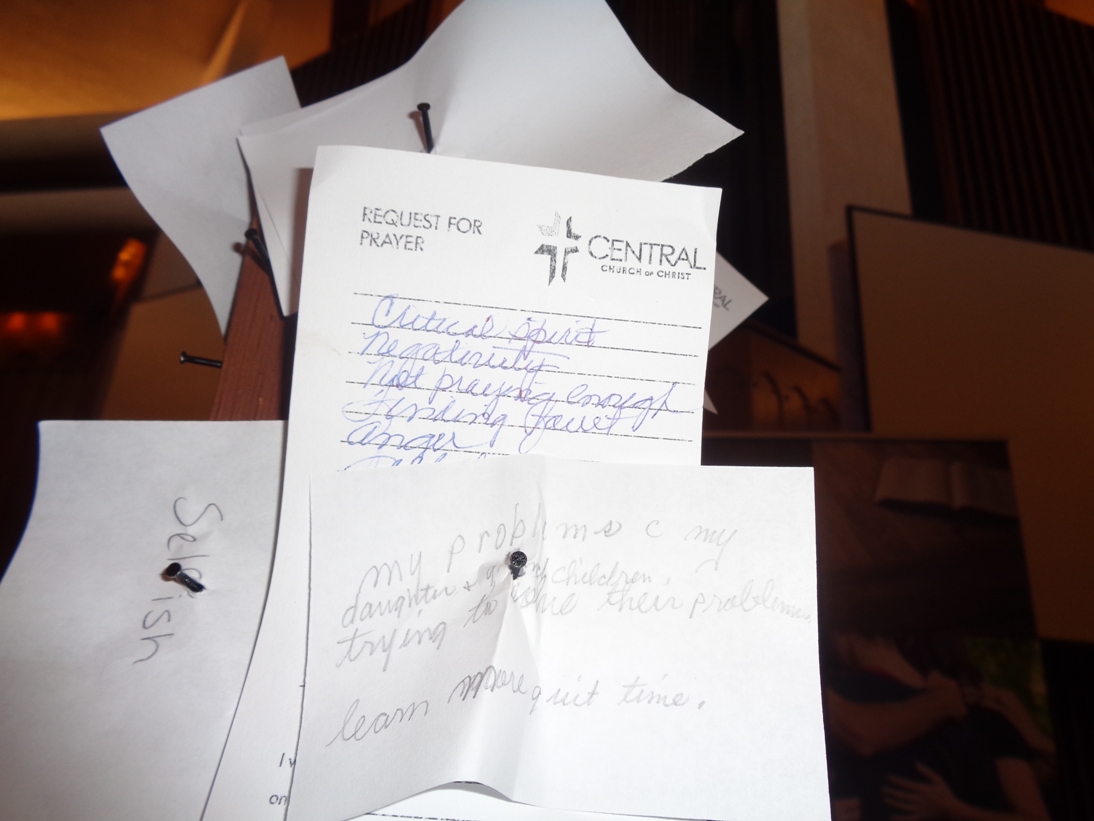
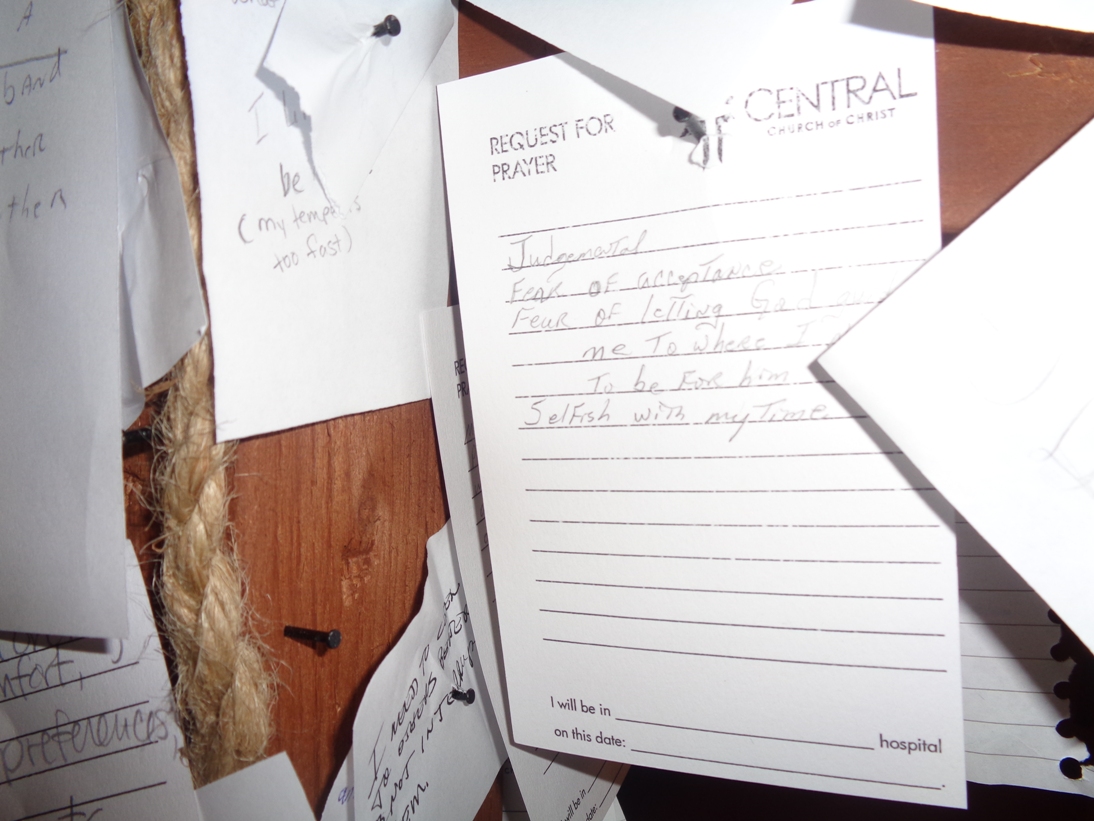
One of our shepherds, Tim McMenamy, worded a heart-felt, gut-wrenching prayer of confession from his knees on behalf of the church, recalling the sins of our past and the sins of our present. Another of our elders, Steve Rogers, led a prayer of corporate repentance from his knees, making vows to God on behalf of the congregation that we would renounce the sins of our past and present and seek only the Lord and his ways. And then we offered the church some time to confess their own sins, sins in their families, sins from their distant past, or sins that have them ensnared in the present. Our elders and ministers and our spouses were positioned all around the worship center to graciously receive and pray for our people. We lifted them up to God and begged him to provide his promised forgiveness and righteousness and peace.
It was different. It was very quiet in there. And powerful. Only a few, it appeared, actually took advantage of the opportunity. But those who did experienced those blessings of forgiveness and righteousness and peace.
Immediately after the service concluded, several people came to me to thank me for the special focus of the morning and for the way the assembly had been planned. And I think I must have expressed — non-verbally — some disappointment in the visible response from our congregation during the time of confession and repentance. One of my many, many faults — one I should probably confess regularly before the church — is my sin of impatience. I’m terrible with that. I don’t very much of the time practice what I preach there. And I do a lousy job of hiding it. But, good grief, of all people the preacher should know that God is at work in powerful ways that we don’t always get to see.
And Clay Harper reminded me of that Monday.
Clay called me on the carpet for my disappointment. That’s what good and faithful Christian brothers do; that’s what happens in genuine Christian community. And then he reminded me of the truth I had preached the day before, that God answered the prayers and provided the promised blessings regardless of how engaged the people were in what was happening.
In Samuel, the people approached the prophet looking for ways to fix their relationship with God. They begged him to intercede for them and participated fully as a congregation in the prayers of confession and repentance. In Ezra, the leaders of the people came to the prophet and the people (a lot of them, but maybe not all of them) eventually followed and participated in the confession and repentance, some of them under the threat of loss of their property. In Daniel, it doesn’t look like anybody else is there. The prophet prays confession and repentance to God on behalf of the people, but there’s no indication anybody has any idea he’s doing it.
More than likely, we have people in our church family located at every point on that continuum. From begging to make things right with God and willingly putting away their idols and sins, to almost being forced to confess and repent and reluctantly participating, to not taking part in the exercises at all, we’ve got folks all over the map there. All those different reactions and responses were present in our assembly Sunday.
The good news is that in all three scenarios in Scripture, God answered the prayers immediately, while the prayers were still being prayed, and provided the forgiveness and peace.
In Samuel, while the people are in the middle of confessing and repenting, God answered. God showered his people with victory. He destroyed their enemies right there on the spot and blessed them with peace. Same thing in Daniel. While he was in the middle of his prayer of corporate confession and repentance, God spoke to Daniel about forgiveness of sin, about everlasting righteousness, and peace. In Ezra, God provided his grace immediately and withdrew his anger.
I don’t know where you are with confession and repentance before God. I think if you’ve made some New Year’s resolutions to our Lord, they have to begin with confession and repentance. I don’t know where your church is with that. I don’t know how your elders might feel about corporate confession in a church assembly. I don’t know how many in your family or your congregation would enter in to that kind of exercise willingly, how many would have to be dragged into it kicking and screaming, and how many just wouldn’t participate. I don’t know.
But I do know this: the common thread in all three stories of corporate confession and repentance in Scripture is that God answered. He responded immediately, as soon as the prayers began. He did it consistently then and he’s doing it faithfully right now. Why don’t you and/or your church give it a try?
~~~~~~~~~~~~~~~~~~~~~~~~~
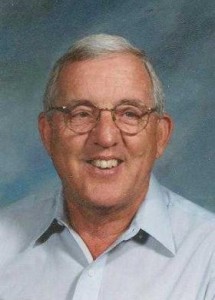 Congratulations to Central’s own Joe Bain who will be inducted tomorrow into the Panhandle Sports Hall of Fame here in Amarillo. Coach Bain was the boys track coach at Amarillo High School for 30 years, winning 15 district championships, including one in his last season in 2006. He also served as a long time assistant coach for the Golden Sandstorm football team under Larry Dippel, coaching the defensive backs in 1992 when the Sandies advanced to the state semi-finals.
Coach Bain poured his heart into hundreds of young men in this region, constantly encouraging them, consistently challenging them to be better, always leading to greatness by the example of his own deep character and integrity. Lots and lots of young men are thanking Coach Bain this week for the tremendous influence of godliness he had on their lives. And at least one older guy who only just met Coach Bain three years ago is thanking him for that same leadership and influence he has on my life right now.
Peace,
Allan
 Beware of exploring the spiritual disciplines. Practicing the traditional disciplines will force you to confront your sins. I know this first hand. Silence before God or a prolonged meditation on a Psalm tends to bring out the honest truth of your relationship with the Father. Fair warning. There’s no hiding it when you’re in that place with our God.

Recent Comments