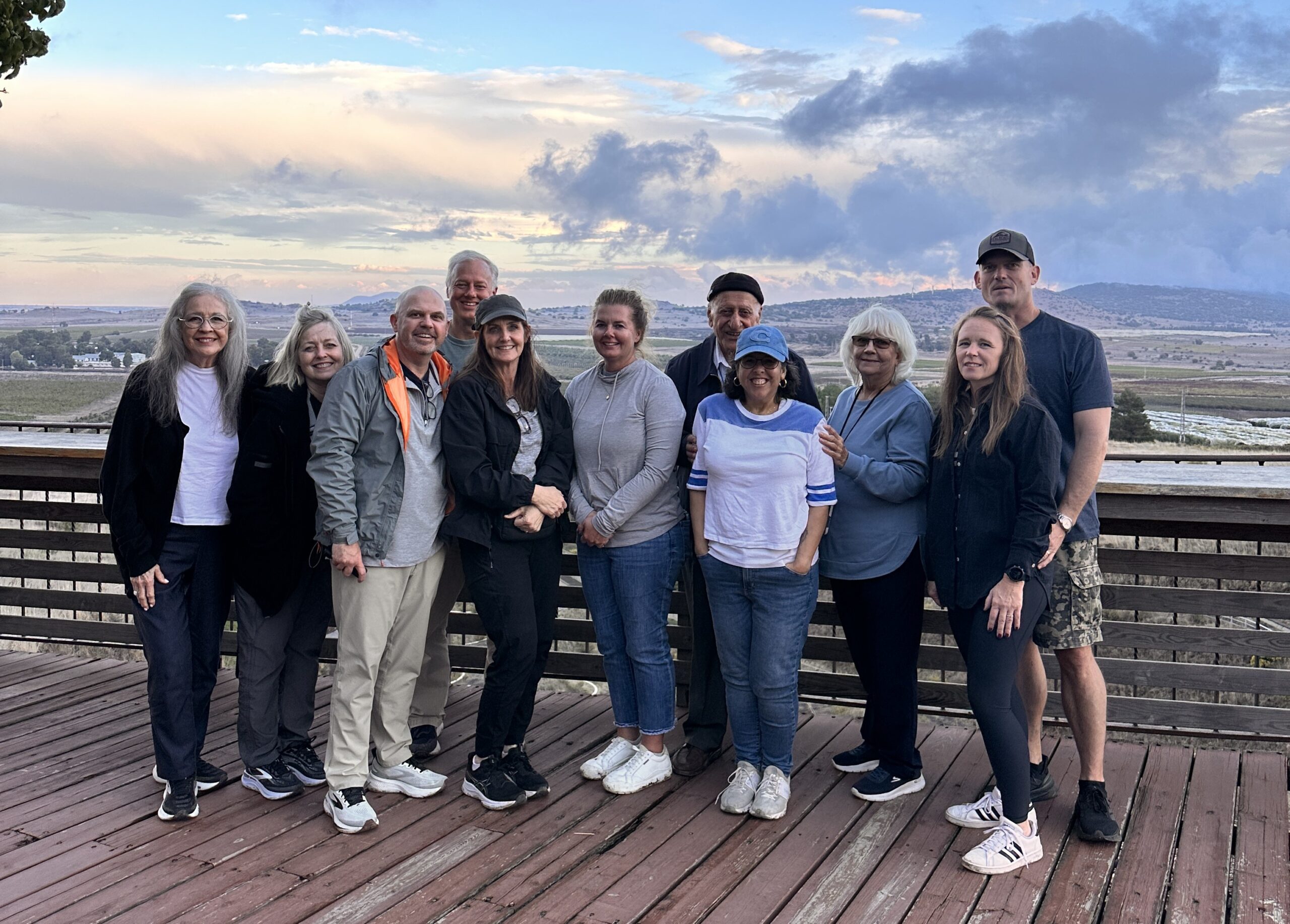
Nearing the end of our third day in Israel, as we took a group photo on the peak of the Golan Heights overlooking the Israel-Syria border, our seasoned guide, Anton, said, “I’ll tell you a secret when we get back on the bus.” So, we all took one last glance at the border, where the UN armies are stationed to keep the peace, boarded the bus, and took our seats. As the bus pulled out, Anton leaned into the microphone and asked, “Has anyone ever felt unsafe?” The response was a unanimous “No.” None of us has felt unsafe at all this whole trip. To which Anton responded with the secret: “It’s safe in Israel.”
That’s the secret. And it’s the best kept secret in the whole world. Israel is safe.
But it’s empty. There are no tourists in Israel nowadays, and there haven’t been for a while. Only two or three buses are in the lots at the historical sites, where 30 or 40 were always parked on my previous five trips to the Holy Land. The restaurants are empty, the ones that are still open. And you can clearly see where the loss of tourism money over the past two to three years is affecting the maintenance and upkeep of the sites. The trees and bushes at Caesarea-Philippi are so overgrown you cannot see the cultic niches cut into the stone. The whole site looks like it’s been completely abandoned. There’s no money. We were the only ones there this afternoon. Literally. For real. We were totally alone. There was only one group along the trail at Dan this morning. There were only two groups visiting the Church of the Beatitudes with us. And we were the only ones at Hazor.
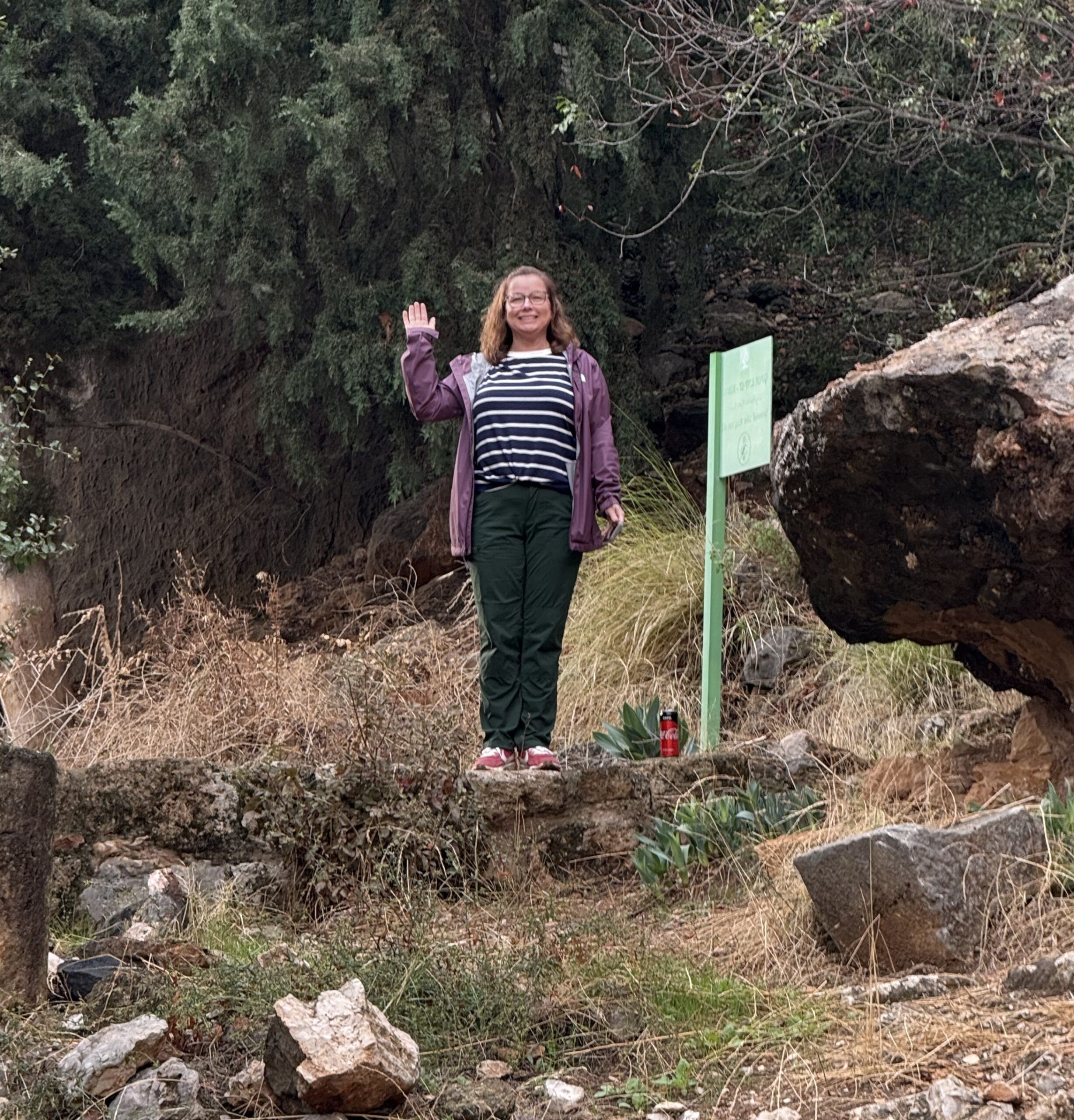
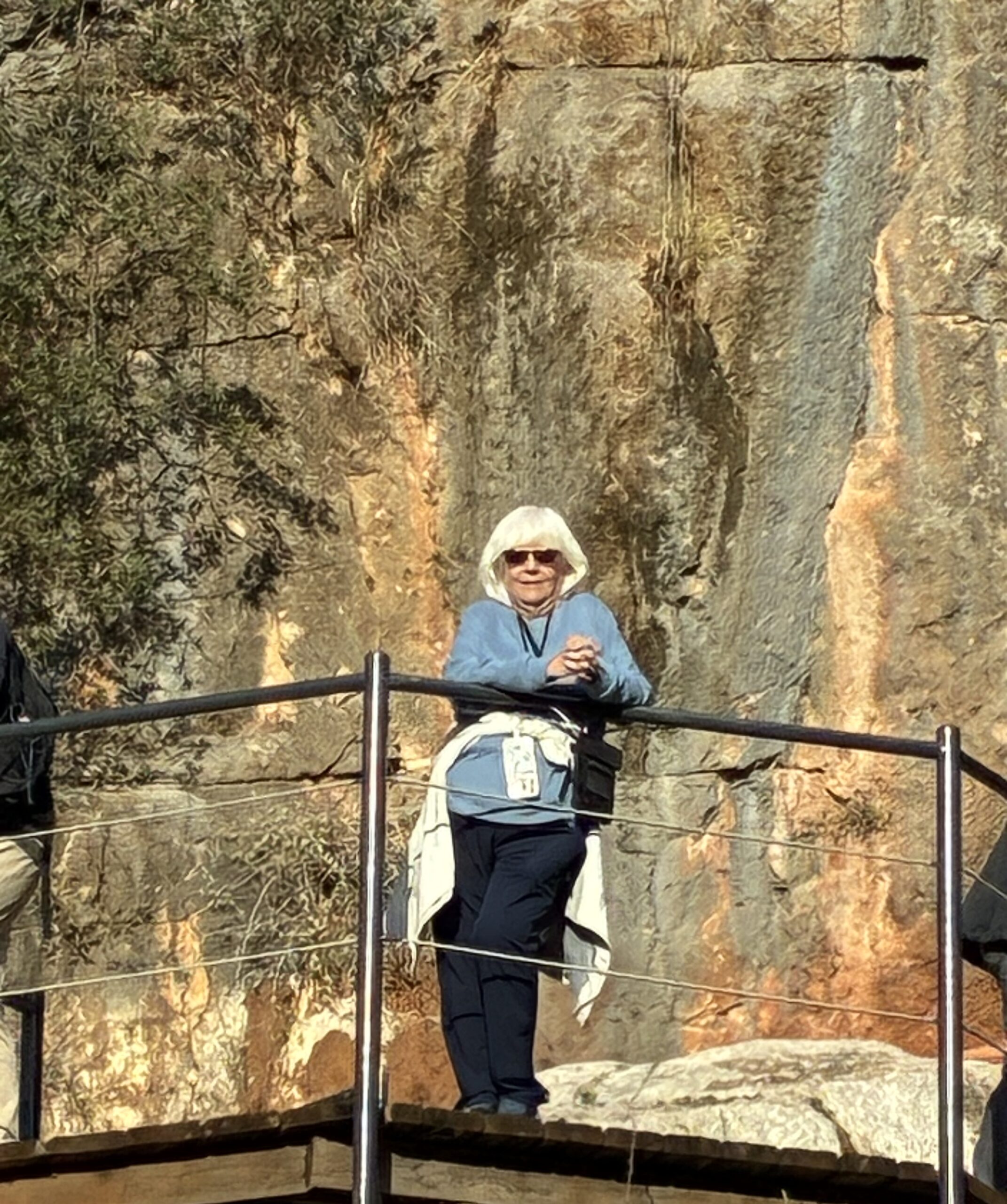
One one hand, it’s really nice to have these ancient sites mostly to ourselves. We don’t have to wait on others to take their group pics so we can take ours. There are no traffic jams, no lines in the restaurants or bathrooms. It’s super easy to spot each other from 80-feet away and realize you haven’t been left. But, man, it’s so discouraging for the monks and nuns who run the sites, for the paycheck-to-paycheck workers who man the concession stands, and the restaurant owners who are cutting menu items, hours, and employees.
Israel is safe. But nobody believes it.
The U.S. State Department’s risk level for Israel has been at “3” for almost 20 years now. It’s been nearly two decades since it was at “2.” Nothing’s changed. It never does. The tensions are real and the senses are heightened, but going to Israel is still safer than spending a weekend in Houston or Dallas.
But fear is winning the day.
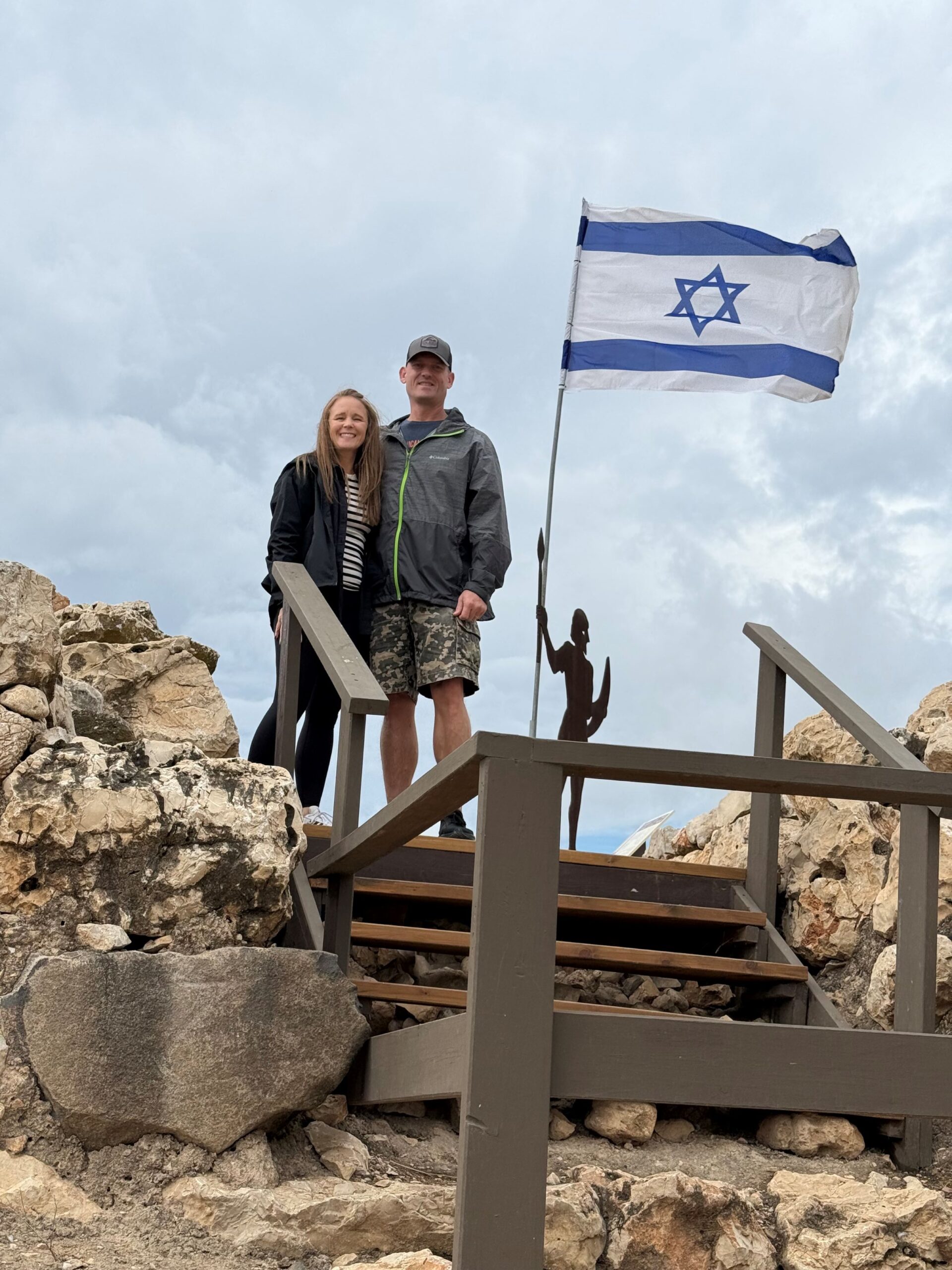
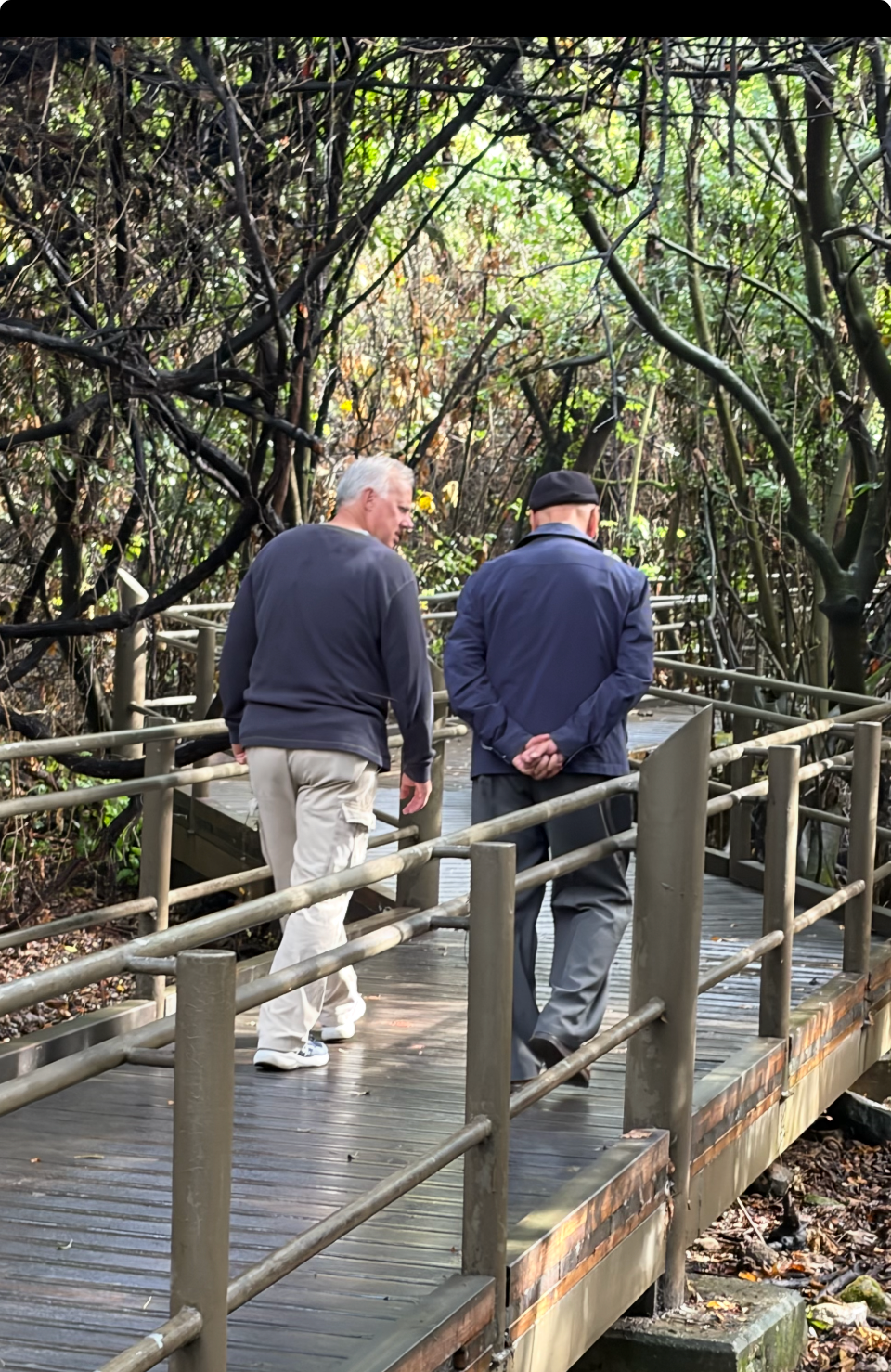
We took advantage of the situation to read the Beatitudes out loud together at the historic church overlooking the north shores of the Sea of Galilee. We took our time touring the ruins of the Canaanite city, Hazor. We lingered near the rushing headwaters of the Jordan River as we leisurely strolled the wildlife preserves near the city of Dan. And we took a little longer than usual to consider all the questions that come with a reading of Matthew 16 and a visit to the Rock of the Gods at Caesarea-Philippi: Which rock did Jesus mean when he said he’d build his Church on it? Peter? Peter’s confession? Jesus himself? How close were our Lord and his disciples to the pagan scenes here where the conversation took place? What does it mean for us, his followers today, when he says the gates of Hades will not prevail against his Church? And how does that inform and transform the way we’re called to live?
Oh, yeah, And we ended another fabulous day at the Israel-Syria border. Taking pictures. Because Israel is safe.
That’s the big secret.
Peace,
Allan
Leave a Reply