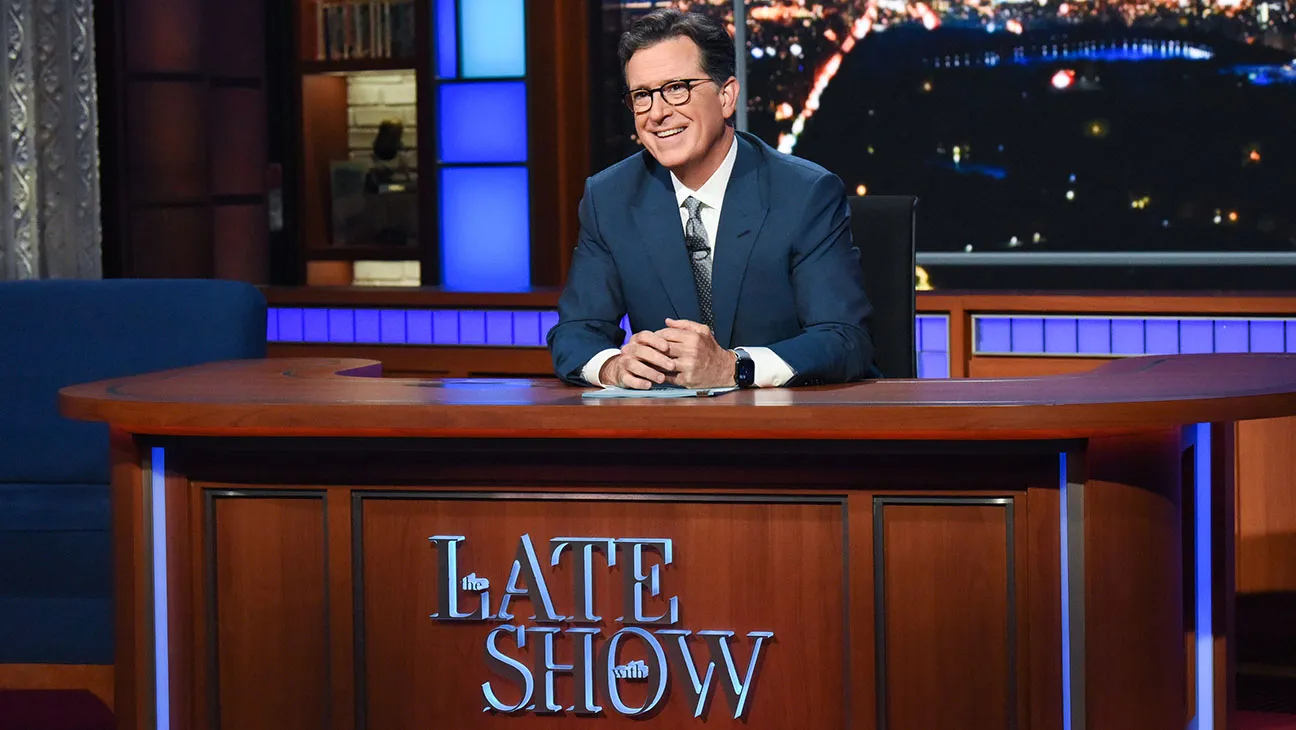
As he took the stage at the historic Ed Sullivan Theater to perform at the end of last night’s penultimate episode of The Late Show with Stephen Colbert, Bruce Springsteen announced that Colbert’s show is the first television show in history to be canceled because the president can’t take a joke. I heard the line repeated, though not credited to Springsteen, by a national news anchor this morning.
It’s not true.
I was only two-years-old at the time, but Richard Nixon effectively got the Smothers Brothers Comedy Hour canceled in April of 1969 when, like Colbert, they were number one in the ratings in their time slot. Tommy and Dick Smothers were mercilessly criticizing and satirizing Nixon and the Vietnam War with standup and skit, and the Nixon administration threatened CBS with their FCC license until the network finally caved. So, The Late Show is the second American television program to be canceled because the president can’t take a joke.
Before the Smothers Brothers were riffing on Nixon, their target was President Lyndon Johnson and, mostly, about his handling of the Vietnam War. But LBJ handled the jokes and the skits much differently. Maybe you’ve seen the letter he sent “To Tom and Dick Smothers,” dated November 9, 1968 — it’s been circulating around the internet for a few months now, you can look it up. Here’s the key line:
“It is part of the price of leadership of this great and free nation to be the target of clever satirists. You have given the gift of laughter to our people. May we never grow so somber or self-important that we fail to appreciate the humor in our lives.”
Nixon took office two months later. Three months after that, the Smothers Brothers were done.
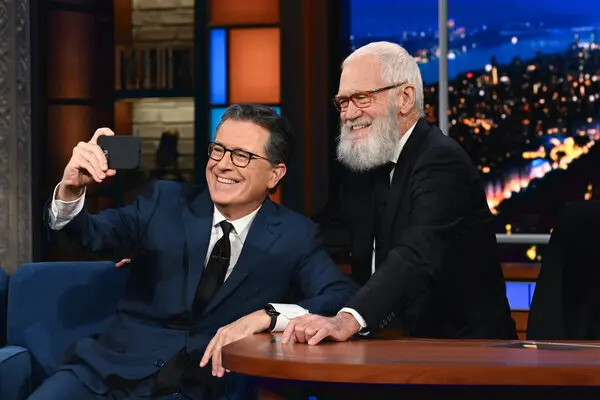 Colbert signs off tonight, almost eleven years after taking over The Late Show desk from one of my all-time comedy heroes, David Letterman. He signs off under, at best, terrible circumstances of political capitulation. But, as he’s demonstrated over the past several months, Colbert is choosing to be grateful and not angry. His attitude through it all has been to laugh at the situation, at himself, and at all his friends. He’s still making fun of Joe Biden’s vacant stare, his rambling stories that go nowhere, and his zombie dance; he’s still making fun of Donald Trump’s nonsensical weave and, last night, the gold Trump Mobile phones that are not made in America. That stuff has always made me laugh. But it was all the COVID shows he did from his living room / study at their house with his wife, Evelyn, that made me a fan. Watching them interact and laugh at each other, recognizing their insider looks and lingo, seeing their love for each other shine through during those awful times was inspiring. He’s always said his show is about love and loss. I can attest that it certainly is. Especially the last few months. A lot of both.
Personally, I can’t stomach Jimmy Fallon’s giddiness; it feels superficial and fake. And I’ve never enjoyed Jimmy Kimmel; his delivery is awkward and he’s not that funny. We don’t watch either one of them. But I admire them for this: both Kimmel and Fallon are showing re-runs of their own shows tonight, so as not to compete with Colbert’s finale. It’s a beautiful demonstration of solidarity and support for one of their own.
There’s a Letterman channel on my Samsung TV that re-runs Dave’s Top Ten Lists, Stupid Pet Tricks, and his best interviews that I find myself watching for half an hour a couple of times a week. And, I suppose, when I’m craving a “Meanwhile…” or a Colbert Questionert or Stephen’s hilariously weird happy dance, I’ll be able to find it on YouTube. But what am I supposed to do after the news Monday night?
Peace,
Allan






Recent Comments